
A road sign that appears blurry, a child sitting closer to the television, or difficulty reading in the evening may seem like separate concerns. However, each symptom can indicate a different vision-related issue and may require a specific type of eye examination. If you are searching for an eye hospital in Ludhiana, understanding your symptoms is a sensible first step towards finding the right care.
Not every eye problem indicates a serious condition, but symptoms alone cannot establish an accurate diagnosis. Some eye diseases progress gradually without noticeable discomfort, while others require immediate medical attention. This guide explores how common symptoms may relate to cataracts, glaucoma, corneal conditions, refractive errors, childhood eye disorders and problems affecting the visual pathways.
Baath Eye Care Centre, located in Model Town Extension, Ludhiana, lists several eye-care services on its official website, including cataract assessment and surgery, refractive surgery, glaucoma care, corneal and ocular surface treatment, paediatric ophthalmology and neuro-ophthalmology. The appropriate specialist and diagnostic tests depend on your symptoms and examination findings.
Start with the symptom, not the name of a procedure
Patients often begin with a search such as “cataract hospital in Ludhiana” or “LASIK hospital in Ludhiana” because a friend has suggested a treatment. The more useful first question is: what is causing the change in vision? For example, blurred distance vision could result from a change in spectacle power, a cloudy lens, a corneal problem or a retinal condition. The treatments differ considerably.
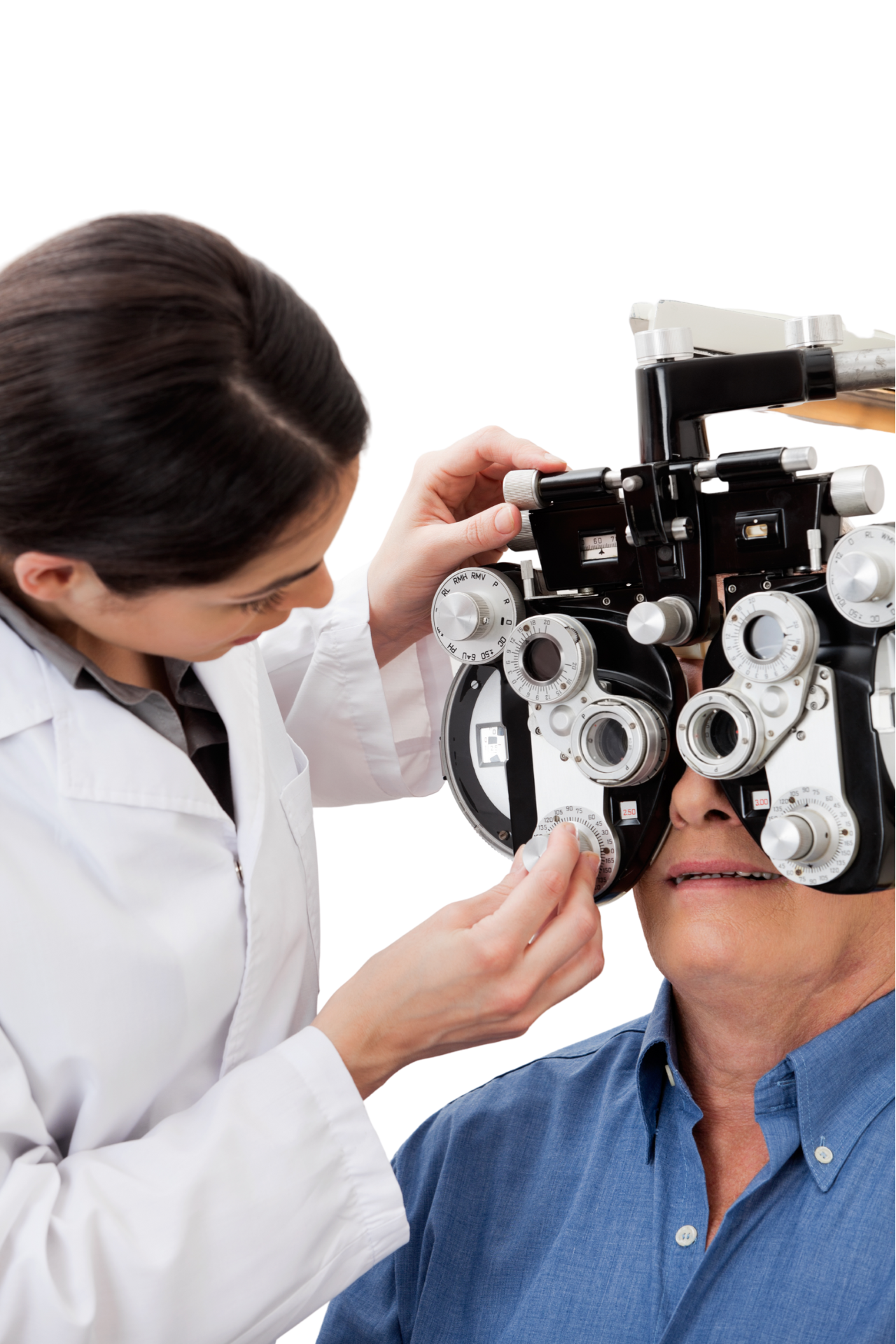
A comprehensive eye assessment may include a discussion of symptoms and medical history, measurement of vision, refraction, inspection of the front of the eye, measurement of eye pressure and examination of the retina and optic nerve. Dilating drops or additional investigations are used when clinically indicated. A screening test alone is not always enough to establish a diagnosis.
If your doctor plans to dilate your pupils, allow extra time. Your near vision may remain blurry and light sensitivity may increase for several hours. Arrange transport rather than driving yourself if your vision is affected.
When eye symptoms need urgent medical attention
Do not wait for a routine appointment if you experience sudden loss of vision, a new curtain or shadow across your sight, sudden double vision accompanied by neurological symptoms, an eye injury, a chemical splash, or severe eye pain with redness and nausea. Seek an emergency eye service or emergency department immediately. Sudden flashes or many new floaters also need urgent assessment because they can indicate a retinal tear or detachment.
A chemical exposure requires immediate, continuous rinsing with clean running water while emergency help is arranged. Do not delay irrigation to search for a specific eye clinic. Contact-lens wearers with a painful, red, light-sensitive eye should also obtain prompt medical assessment because corneal infection can progress quickly.
These warning signs matter even when the person normally has good eyesight or has recently had a routine eye check-up. An ordinary outpatient appointment should not delay emergency evaluation.
Cloudy vision and glare: when to discuss a cataract assessment
A cataract forms when the eye’s natural lens becomes cloudy. Many people first notice headlights appearing unusually dazzling, faded colours, blurred vision despite updated glasses or difficulty reading in poor light. Symptoms often develop gradually, although the rate varies. Cataracts are more common with age but may also be associated with injury, diabetes and certain medicines.
An ophthalmologist examines the lens and assesses whether the cataract explains the degree of visual difficulty. The clinician should also look for other diseases, especially if the vision loss is not fully explained by the lens. Cataract surgery is generally considered when symptoms meaningfully interfere with daily tasks, not simply because someone has reached a particular age.
When appropriate, surgery removes the cloudy lens and replaces it with an intraocular lens. Different lens designs suit different visual needs and eye characteristics. Monofocal, toric and other options should be discussed in relation to corneal measurements, retinal health, expectations, possible trade-offs and cost. No implanted lens can promise complete freedom from glasses for every person.
Patients seeking a cataract hospital in Ludhiana can read the centre’s verified cataract service information here:
Cataract assessment and surgery: https://baatheyecare.com/cataract-surgery-in-ludhiana/
Changing glasses repeatedly: is LASIK the right next step?
A frequent change in spectacle power does not automatically mean that laser vision correction is needed. Short-sightedness, long-sightedness and astigmatism may be managed with spectacles or contact lenses. Eye dryness, changing blood sugar and early lens changes may also affect clarity. First establish a stable and accurate prescription.
LASIK is one form of refractive surgery that reshapes the cornea to correct selected refractive errors. Candidacy is determined by more than age or spectacle power. A preoperative assessment generally considers prescription stability, corneal thickness and shape, tear film, general eye health and whether expectations are realistic. Pregnancy, particular eye diseases or other findings may affect eligibility.
A person with an unusually thin or irregular cornea may not be suitable for LASIK. That does not automatically mean another procedure is safe or appropriate. An ophthalmologist may discuss alternative refractive techniques, contact lenses or continuing with spectacles after a full assessment. All surgical options have risks, including dry-eye symptoms and visual disturbances.
If you are searching for a LASIK hospital in Ludhiana or a refractive surgery hospital in Ludhiana, use the consultation to ask which tests establish suitability and what follow-up will be required, rather than assuming surgery is necessary.
Refractive surgery information: https://baatheyecare.com/refractive-surgery-in-ludhiana/
Normal vision does not rule out glaucoma
Glaucoma damages the optic nerve, which carries visual information from the eye to the brain. Common forms may progress without noticeable early symptoms. Peripheral vision may be affected before a person recognises a problem in everyday life. Waiting for pain or severe blurring is therefore not an effective screening approach.
A glaucoma evaluation draws on several findings, including eye pressure, the appearance of the optic nerve, visual field results and, when needed, imaging or examination of the drainage angle. A single pressure reading cannot prove or exclude glaucoma: damage can sometimes occur when pressure measurements are within the usual range.
Risk and follow-up intervals depend on age, family history, previous measurements, other eye conditions and systemic health. People with a family history should tell their eye doctor; relatives may also need assessment. Where glaucoma is diagnosed, treatment may include prescribed drops, laser or surgery depending on the type and severity. Existing nerve damage is generally irreversible, so monitoring and adherence to treatment are essential.
For people looking for a glaucoma hospital in Ludhiana, a useful question is whether the visit will assess the optic nerve and any need for visual-field testing, rather than eye pressure alone.
Glaucoma clinic: https://baatheyecare.com/glaucoma-clinic-in-ludhiana/
Redness, light sensitivity or distorted vision: when the cornea needs attention
The cornea is the clear, curved surface at the front of the eye. Along with the tear film, it plays an important role in focusing light. Dryness may cause irritation, a gritty feeling or fluctuating clarity. Allergic irritation can cause itching. But marked pain, light sensitivity, discharge or a white spot on the cornea can suggest a more urgent problem, particularly in contact-lens users.
Corneal assessment may involve a slit-lamp examination, evaluation of the tear film and testing of corneal curvature or shape where appropriate. An irregular cornea can produce visual distortion that ordinary spectacles do not completely correct. Keratoconus, for example, changes the shape of the cornea and requires specialist assessment rather than simply repeated prescription changes.
Management can range from lubricating treatment and addressing eyelid or tear-film problems to specialist contact lenses or other interventions for particular corneal diseases. The correct approach depends on a diagnosis. Avoid using steroid-containing eye drops without medical advice because they may worsen some infections or raise eye pressure.
A search for a cornea hospital in Ludhiana should lead to an examination that identifies the cause of discomfort or visual distortion, not an assumption that every red eye is a minor allergy.
Cornea and ocular surface clinic: https://baatheyecare.com/cornea-ocular-surface-clinic-in-ludhiana/
A child who sees “fine” may still need an eye examination
Children do not always recognise or describe a vision problem. A child might hold books unusually close, tilt the head, squeeze one eye shut in bright light, struggle to see the classroom board or appear to have an eye that turns inward or outward. Such behaviours are clues, not diagnoses.
A paediatric eye assessment takes account of age and cooperation, checks vision using age-appropriate methods, assesses eye alignment and may include pupil dilation to identify an accurate spectacle prescription. One important concern is amblyopia, sometimes called lazy eye, in which vision development is reduced in one or both eyes. Early assessment can make a substantial difference because treatment is often more effective during childhood.
Squint or strabismus is an alignment problem; it does not necessarily mean a child needs an operation. Depending on findings, management may include spectacles, treatment for amblyopia, monitoring or surgery. Children born prematurely may require a specific retinal screening pathway, separate from routine childhood eye tests.
Families looking for a paediatric eye hospital in Ludhiana should mention eye turning, premature birth, family history, developmental concerns and school difficulties when arranging the appointment.
Paediatric eye care: https://baatheyecare.com/paediatric-eye-hospital-in-ludhiana/
Double vision or unusual visual symptoms: could it involve the nerves?
Not all visual complaints begin in the cornea, lens or retina. Eye movements and the visual pathways depend on the brain, nerves and muscles working together. Neuro-ophthalmology evaluates selected problems involving these connections, such as certain types of double vision, unexplained visual field changes or abnormalities of the optic nerve.
Double vision must be described carefully. Does it disappear when either eye is closed, or persist even with one eye covered? Is it recent, intermittent or associated with headache, eyelid drooping, weakness, dizziness or difficulty speaking? These details help clinicians decide what needs immediate attention and what further tests may be appropriate.
Sudden double vision with weakness, severe headache, facial drooping or speech changes can represent a medical emergency. Seek emergency evaluation immediately rather than waiting for a specialist appointment. Some cases require coordination with neurology or other medical services.
For someone searching for a neuro-ophthalmology hospital in Ludhiana, an assessment is intended to establish the cause and whether imaging, other specialists or urgent treatment are needed.
Neuro-ophthalmology service: https://baatheyecare.com/neuro-ophthalmology-clinic-in-ludhiana/
How general eye check-ups and specialist visits fit together
A general examination is often the right starting point when the cause of symptoms is unknown. The ophthalmologist can decide whether a focused cataract, glaucoma, corneal, paediatric, retinal or neuro-ophthalmic assessment is required. It is common for more than one condition to coexist, especially in older adults or people with diabetes.
For example, cataract can reduce clarity while glaucoma affects the optic nerve. Removing a cataract does not cure glaucoma. Similarly, a person considering refractive surgery may first need treatment of dry eye or further checks for irregular corneal shape. A careful work-up prevents an attractive-sounding procedure from distracting from the underlying problem.
People with diabetes may have retinal disease even before they notice a change in sight. Their examination schedule should be determined with their treating clinician, generally with regular dilated retinal assessment. High blood pressure, prior injury, long-term medication use and a family history of eye disease may also alter recommended follow-up.
Preparing for an eye appointment in Ludhiana
Bring current spectacles, previous prescriptions, relevant reports and a list of medicines or eye drops you use. Note when symptoms started, whether one or both eyes are affected and what makes them worse.
If you wear contact lenses, tell the clinician, including your cleaning habits and any recent episodes of pain or redness.
Try to describe the effect on real activities: reading medicine labels, working at a computer, driving after sunset, sewing, cooking or recognising faces. For a child, report what parents and teachers have observed rather than relying only on the child’s description of vision.
Ask what the examination found, whether a condition is stable or progressive, whether additional tests are necessary, what treatment alternatives exist, the risks and follow-up plan, and which symptoms should prompt an earlier return. If surgery is discussed, request a clear explanation of the reason for surgery, recovery expectations and total cost before making a decision.
An informed patient does not need to know every ophthalmic term. It is enough to leave the clinic understanding the diagnosis, the choices and what to do next.
Choosing an eye hospital near you: practical questions to ask
When searching “eye hospital near me” from Ludhiana, distance and opening hours are practical considerations, but the type of problem matters as well. A routine spectacle assessment, an evaluation of long-standing cataract symptoms and a sudden painful red eye are not interchangeable appointments.
Check whether the facility provides assessment for your concern, whether the treating clinician can explain the diagnosis, what tests may be needed, and how follow-up is organised. For children, ask whether an age-appropriate examination is available. For glaucoma or corneal disease, ask how ongoing monitoring is planned. For possible refractive surgery, ask what would make someone unsuitable.
Clear written instructions, realistic discussion of treatment limitations and appropriate referral when needed are important aspects of medical care. Marketing labels alone cannot establish whether a particular treatment is suitable for you.
Eye services at Baath Eye Care Centre, Ludhiana
Baath Eye Care Centre’s official website describes a range of ophthalmic services at its Ludhiana centre, including cataract surgery, refractive surgery, glaucoma care, cornea and ocular surface care, paediatric ophthalmology and neuro-ophthalmology. Dr. Jagroop Singh Baath is identified on the official website as the medical director and an ophthalmologist with training in paediatric ophthalmology, strabismus and neuro-ophthalmology. Treatment recommendations require an individual examination.
The centre is located at 329 CX, Model Town Extension, Model Town, Ludhiana, Punjab 141002. Its published contact number is +91 62 62 62 77 55, and the official contact page lists outpatient hours as Monday to Saturday, 9:00 AM to 6:00 PM. Call in advance to confirm appointment timing, service availability and whether an urgent condition should be seen through an emergency facility.
Contact and appointment details: https://baatheyecare.com/contact-baath-eye-care-centre/
Frequently Asked Questions
Find answers to common questions about eye examinations, eye conditions and treatment.
1. Can an eye test detect a serious condition even when I see clearly?
Yes. Some conditions, including early glaucoma and diabetic retinal disease, may have few or no symptoms. A comprehensive examination may detect changes that a spectacle-power check alone would miss.
2. Should I visit a cataract clinic if my night driving has become difficult?
Night glare can occur with cataract, but dry eye, refractive error and other conditions are also possible. An examination can establish whether lens clouding is contributing and whether treatment is needed.
3. Is LASIK an option if my spectacle number keeps changing?
A changing prescription needs assessment before any refractive procedure. Stable refraction, suitable corneal measurements and good ocular health are important considerations; your surgeon decides whether LASIK or another option is appropriate.
4. Can glaucoma be present when eye pressure is normal?
Yes. Glaucoma may occur even when measured eye pressure falls within the usual range. Optic nerve assessment and other tests are considered alongside pressure measurement.
5. Is every red eye caused by an allergy?
No. Dry eye, infection, injury and inflammation can also cause redness. Pain, significant light sensitivity, reduced vision or contact-lens-related redness require prompt medical attention.
6. When should my child see a paediatric eye specialist?
Seek assessment if you notice an eye turning, persistent head tilt, unusual closeness to books or screens, difficulty seeing in class or another concerning sign. Children with specific risk factors may need examination even without symptoms.
7. Does double vision always mean a neurological disease?
No. Several eye and neurological conditions can cause double vision. New-onset double vision, particularly with headache, weakness or speech changes, needs urgent medical evaluation.
8. Can cataract and glaucoma affect the same eye?
Yes. These are distinct conditions and may occur together. Cataract surgery addresses the cloudy lens; glaucoma requires its own assessment and management plan.
9. What should I bring to my first ophthalmology consultation?
Bring your spectacles, earlier reports and prescriptions, medical history and current medicines. Note the symptom timeline and whether one eye or both eyes are affected.
10. How can I book an eye examination at Baath Eye Care Centre?
Call +91 62 62 62 77 55 or use the official contact page. The Ludhiana centre is at 329 CX, Model Town Extension, and its published OPD hours are Monday to Saturday, 9 AM to 6 PM. Confirm timing before travel.


Want Healthy Eyes for Life?
Your Vision