Best Eye Hospital for
Squint Treatment in Ludhiana
Is your child’s eye turning inward or outward? Comprehensive squint (bhengapan) evaluation and treatment by an internationally trained ophthalmologist.
When Parents First Notice Something Different
Most parents do not discover squint during a hospital visit. They notice it while looking at a photograph taken during a family celebration. Sometimes it becomes apparent when a child struggles with reading or during quiet moments at the dinner table — one eye appears aligned while the other subtly drifts inward or outward.
Initially, many families believe the condition will correct itself with age. This understandable assumption, however, often delays treatment at the most critical window of a child’s visual development — a period that cannot be fully recovered later.
“The visual system is most responsive to treatment in the early years of life. Prompt evaluation is not just beneficial — it is essential for long-term visual health.”
What Exactly Is Squint (Bhengapan)?
Squint, medically termed Strabismus, is a condition in which both eyes fail to maintain proper alignment simultaneously. Instead of working in coordination and converging on the same object, one eye may turn:
EsotropiaInward turn (most common)
ExotropiaOutward turn
HypertropiaUpward deviation
HypotropiaDownward deviation
While many people perceive squint as purely a cosmetic concern, experienced ophthalmologists recognize that untreated strabismus can significantly affect visual development, depth perception, learning, and a child’s social confidence.
Signs of Squint to Watch For in Children
Parents and grandparents are often the first to notice the subtle early indicators of squint. Recognizing these signs early makes a meaningful difference to the treatment outcome.
Eye deviation visible in photographs
Head tilting to one side while watching TV
One eye squinting in bright sunlight
Difficulty reading or poor concentration
Frequent eye rubbing or excessive blinking
Poor depth perception or clumsiness
Important: If you notice any of these signs, even occasionally, a professional eye evaluation is strongly recommended. Many cases of squint are intermittent and may not always be visible at every moment of the day.
Why Vacation Is the Ideal Time for Squint Treatment
A common question from parents: “Should we wait until after school exams are over?” In most situations,vacation presents the most suitable window for squint evaluation and treatment — for several well-considered reasons.
- Children can undergo comprehensive eye assessment without academic pressure or examination anxiety
- Follow-up appointments and vision therapy sessions are logistically easier to schedule
- Recovery periods, where applicable, can be completed before the next academic term
- Children return to school with improved alignment, better depth perception, and renewed confidence
- Parents can participate more actively in therapy and post-operative care
Advanced Evaluation Before Any Treatment Decision
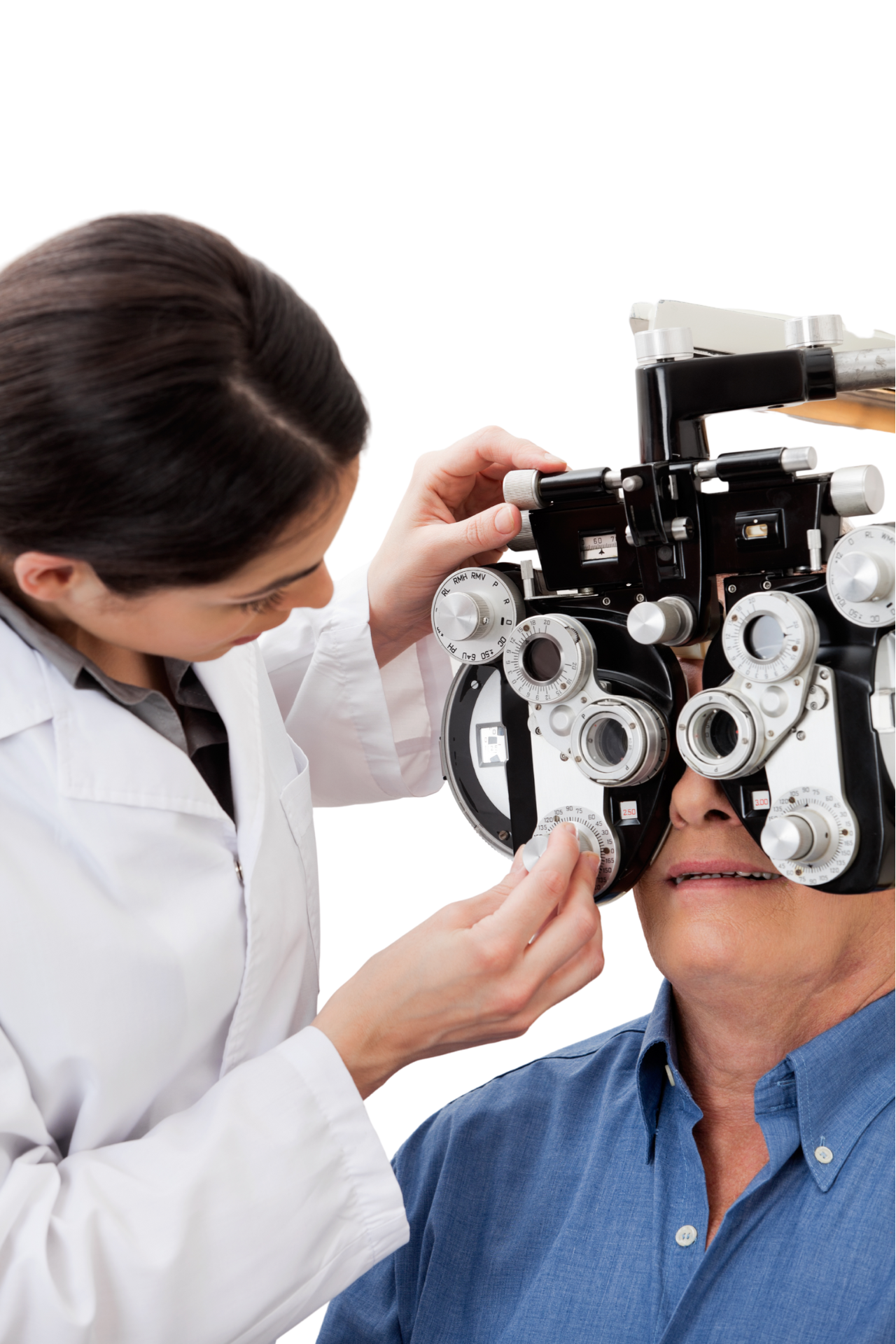
At Baath Eye Care Centre, no treatment recommendation is made without a thorough diagnostic assessment. Every child and adult presenting with squint undergoes a structured evaluation that may include:
Comprehensive Squint Evaluation Protocol
- Visual acuity assessment — checking how clearly each eye sees
- Cycloplegic refraction — accurate measurement of glasses power under dilated conditions
- Cover and prism tests — precise measurement of the angle of deviation
- Binocular vision testing — evaluating how the two eyes work together
- Amblyopia (lazy eye) assessment — identifying reduced vision in the affected eye
- Ocular motility evaluation — checking the range of movement in each eye
- Pediatric ophthalmic fundus examination — ruling out associated conditions
Not Every Case Requires Surgery
Parents are often relieved to learn that surgical intervention is not the first or only option for squint management. Treatment is individualized based on the type and severity of the deviation, the child’s age, and the presence of associated conditions like lazy eye or refractive error.
👓 Prescription Glasses
Many cases of inward squint (accommodative esotropia) can be fully corrected with the appropriate spectacle prescription, without any surgical intervention.
🩹 Amblyopia Therapy
When squint leads to reduced vision in one eye (lazy eye), patching or penalization therapy is used to strengthen the weaker eye before further treatment.
🔷 Prism Correction
Prism lenses may be prescribed in selected cases to neutralize small deviations, reduce symptoms, and prepare for definitive alignment treatment.
🧠 Vision Therapy
Structured exercises to improve binocular coordination, fusion, and stereopsis — particularly effective for convergence insufficiency and certain intermittent squints.
🔬 Squint Surgery
When muscle correction is required, surgery is performed to adjust the tension of eye muscles. It is a safe, well-established procedure with high success rates when performed by an experienced surgeon.
📋 Long-term Follow-up
Squint management is a journey, not a single intervention. Regular monitoring ensures alignment is maintained as the child’s vision continues to develop.
Trusted Across Ludhiana and Beyond
Baath Eye Care Centre has become a trusted destination for families seeking specialized pediatric eye care and squint management across the Ludhiana district and surrounding regions. Parents appreciate the combination of clinical depth, honest counsel, and an atmosphere that puts children at ease.
The centre is conveniently accessible from all major areas of Ludhiana:
Families also travel from Khanna, Jagraon, Moga, Samrala, Doraha, Barnala, Malerkotla,Sangrur, J&K, H.P, Haryana & U.P for the specialized services available under one roof.