LASIK Surgery in Ludhiana – An Overview
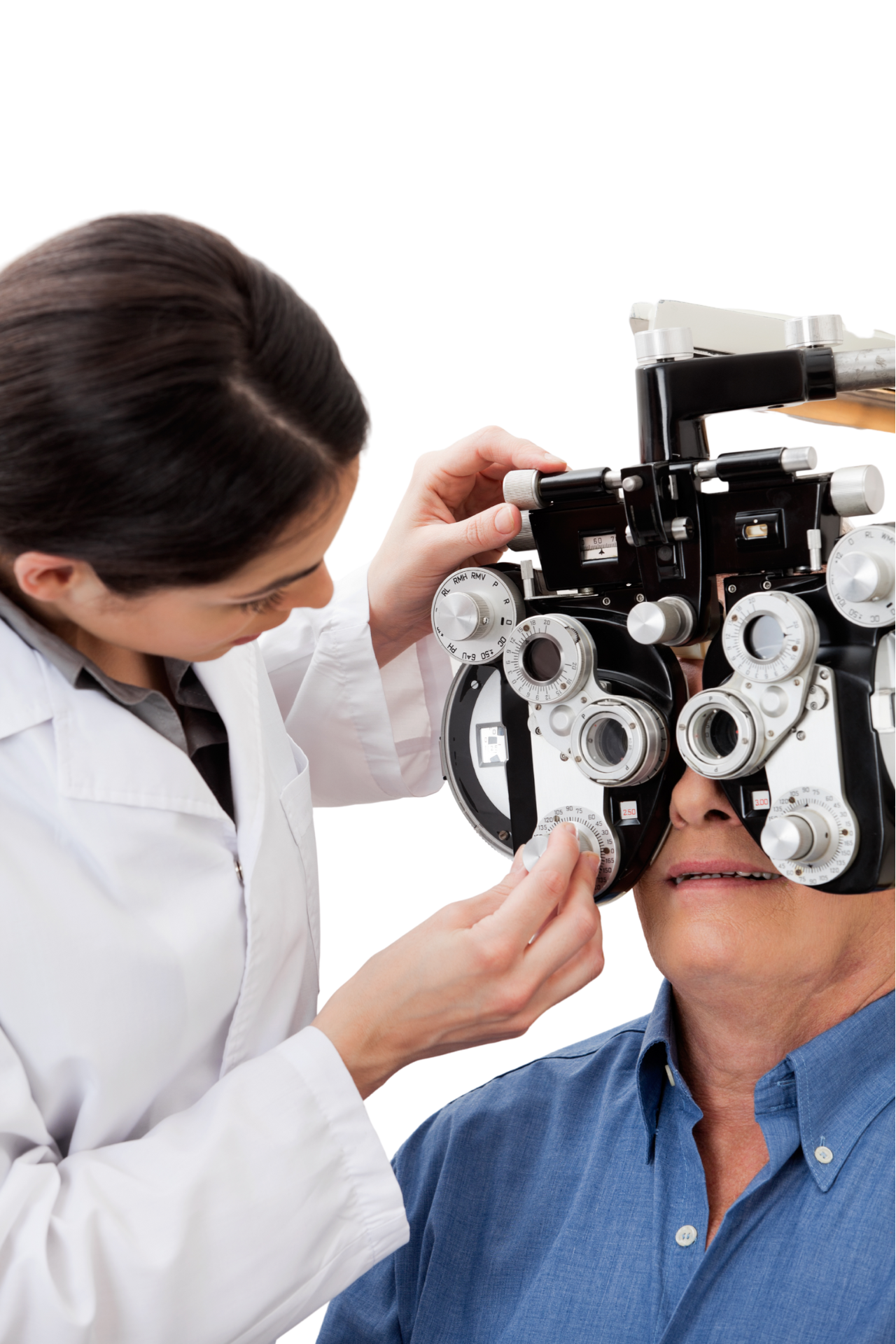
LASIK is a laser eye surgery that reshapes the cornea so that light focuses properly on the retina. People often use it to fix nearsightedness, farsightedness, and astigmatism. The procedure is:- Fast, usually done in 15–20 minutes
- Done with high-tech laser technology
- Done as an outpatient procedure
Key Benefits of LASIK Eye Surgery
LASIK is a popular choice for busy, active people because it offers both medical and lifestyle benefits. Major benefits include:- Less need for glasses and contact lenses
- No pain and no need for a blade
- Visual recovery happens faster than with other methods.
- Correction of vision that lasts a long time
- More confidence and ease in everyday life
Who Is Eligible for LASIK Surgery?
Since LASIK is not right for everyone, it’s important to have a thorough eye exam before making a decision. You may be eligible if:- You are at least 18 years old
- Your vision prescription has not changed for at least one year
- Your corneas are thick enough for the procedure
- Your eyes are healthy and free from any current infections
- You are generally in good health
Who Should Avoid or Delay LASIK?
Some health conditions might mean you need to delay or avoid having LASIK. LASIK may not be recommended if you:- Are pregnant or breastfeeding
- Have severe dry eye syndrome
- Suffer from corneal disorders
- Have autoimmune diseases
- Have uncontrolled diabetes or eye infections
What to Expect Before, During, and After LASIK
Knowing what to expect during LASIK can help you feel less nervous and get ready. Before surgery:- You will have a thorough eye exam.
- Please stop wearing your contact lenses as instructed.
- We will discuss in detail what results you can expect.
- The laser procedure is painless
- It takes just a few minutes for each eye
- You won’t need any stitches or bandages afterward
- A little dryness or glare for a short time
- Within 24 to 48 hours, vision gets better.
- Follow-up visits make sure the recovery goes well.
Learn More About LASIK & Vision Correction Options
Discover who qualifies for LASIK surgery, explore treatment benefits, understand costs, and compare advanced refractive procedures designed to reduce dependence on glasses.
Best LASIK Hospital in Ludhiana
Explore advanced LASIK technology and expert vision correction care.
Read Article →LASIK Surgery in Ludhiana
Understand the LASIK procedure, recovery process, and expected outcomes.
Read Article →LASIK Surgery Cost in Ludhiana
Learn about treatment costs and factors that influence pricing.
Read Article →Why Patients Trust Baath Eye Care for LASIK
Discover why many patients choose Baath Eye Care for vision correction.
Read Article →Refractive Eye Surgeries: Types & Eligibility
Compare LASIK with other modern refractive surgery options.
Read Article →Is LASIK Permanent?
Understand the long-term results and durability of LASIK surgery.
Read Article →Who is an Ideal Candidate for LASIK Surgery?
LASIK surgery is a popular vision correction procedure for individuals seeking freedom from glasses and contact lenses. However, a detailed eye examination is necessary to determine whether LASIK is the right option for a patient. You may be a suitable candidate for LASIK surgery if you:- Are 18 years of age or older
- Have a stable spectacle prescription
- Have healthy corneas with sufficient thickness
- Do not have active eye infections or significant eye diseases
- Are looking for long-term vision correction
- Have realistic expectations regarding treatment outcomes
Who May Not Be Suitable for LASIK?
While LASIK is a highly effective procedure for many patients, certain individuals may require alternative vision correction options. LASIK may not be recommended for patients with:- Unstable vision prescription
- Severe dry eye disease
- Thin corneas
- Active eye infections
- Certain corneal disorders
- Uncontrolled systemic health conditions affecting eye health
Benefits of Choosing LASIK Surgery
Modern LASIK surgery offers several advantages for suitable candidates, including:- Reduced dependence on glasses and contact lenses
- Improved visual clarity
- Quick procedure and recovery
- Enhanced convenience during sports and outdoor activities
- Long-term vision correction
- Improved quality of life
Frequently Asked Questions
1. Which is the best LASIK surgery centre in Ludhiana?
Baath Eye Care Centre is a trusted destination for LASIK surgery in Ludhiana, offering advanced diagnostic technology, experienced eye specialists, and personalized treatment plans for vision correction.2. Who is eligible for LASIK surgery?
Most adults with a stable eye prescription, healthy corneas, and good overall eye health may be eligible for LASIK surgery. A comprehensive eye examination is required to confirm suitability.3. What eye conditions can LASIK correct?
LASIK can help correct common refractive errors such as myopia (nearsightedness), hyperopia (farsightedness), and astigmatism, reducing dependence on glasses and contact lenses.4. What is the minimum age for LASIK surgery?
Most patients should be at least 18 years old and have a stable vision prescription before undergoing LASIK surgery.5. Is LASIK surgery painful?
LASIK is generally a painless procedure because numbing eye drops are used during treatment. Some patients may experience mild temporary discomfort during recovery.6. How long do LASIK results last?
LASIK provides long-lasting vision correction for most suitable candidates. However, natural age-related vision changes may still occur later in life.7. How long does recovery take after LASIK surgery?
Many patients notice improved vision within 24–48 hours and can resume most routine activities shortly after surgery, as advised by their eye specialist.8. Why choose Baath Eye Care Centre for LASIK surgery in Ludhiana?
Patients choose Baath Eye Care Centre for its experienced ophthalmologists, advanced technology, personalized treatment planning, and commitment to delivering high-quality vision correction outcomes.9. Is LASIK surgery painful?
LASIK is generally painless. Numbing eye drops are used, and most patients experience only mild pressure during the procedure, with minimal discomfort afterward.10. How long does it take to recover after LASIK?
Most people can get back to their usual activities in one or two days. Your vision should become steady over the next few weeks, but this can vary from person to person.11. Are LASIK results permanent?
LASIK can improve your vision for many years, but as you get older, your eyesight may still change.Conclusion
LASIK offers a safe and effective option for people who want to stop wearing glasses or contact lenses. With careful evaluation, advanced technology, and experienced surgeons, patients can achieve clear vision. To get the best results, choose a trusted eye care provider and schedule a thorough consultation. If you are thinking about laser vision correction, start by booking an expert eye exam.Learn More About LASIK & Vision Correction Options
Discover who qualifies for LASIK surgery, explore treatment benefits, understand costs, and compare advanced refractive procedures designed to reduce dependence on glasses.
Best LASIK Hospital in Ludhiana
Explore advanced LASIK technology and expert vision correction care.
Read Article →LASIK Surgery in Ludhiana
Understand the LASIK procedure, recovery process, and expected outcomes.
Read Article →LASIK Surgery Cost in Ludhiana
Learn about treatment costs and factors that influence pricing.
Read Article →Why Patients Trust Baath Eye Care for LASIK
Discover why many patients choose Baath Eye Care for vision correction.
Read Article →Refractive Eye Surgeries: Types & Eligibility
Compare LASIK with other modern refractive surgery options.
Read Article →Is LASIK Permanent?
Understand the long-term results and durability of LASIK surgery.
Read Article →