Regular eye check up are the cornerstone of maintaining long-term health, yet they are often the first appointments we skip when life gets busy. Many people mistakenly believe that if their vision isn’t blurry, their eyes are perfectly healthy. However, your eyes are complex organs that require professional maintenance to function at their peak.
An eye exam is more than just a test for a new prescription; it is a vital preventative measure. By staying proactive, you can protect your “window to the world” and keep your vision sharp for years to come.
The Crucial Benefits of a Regular Eye Check up
Undergoing a comprehensive eye exam is about much more than checking your focal distance. A comprehensive eye exam delves deeply into your ocular and systemic health. Because the eyes are the only place in the body where a doctor can see live blood vessels without surgery, these exams are incredibly revealing.
- Early Detection of Eye Diseases: Conditions like glaucoma and macular degeneration are often called “silent thieves of sight” because they have no symptoms in the early stages.
- Identifying Chronic Health Issues: During an exam, your eye doctor can find early signs of high blood pressure, high cholesterol, and even diabetes.
- Preventing Vision Loss: Early intervention is the most effective way to prevent permanent vision impairment.
- Updating Prescriptions: Even a slight change in your vision can lead to discomfort if your lenses aren’t updated.
Protect Your Vision with Expert Eye Care Resources
Regular eye examinations are the foundation of healthy vision. Explore expert articles on eye diseases, advanced treatments, and preventive eye care to keep your eyesight protected.
5 Signs You Need an Eye Checkup Right Away
Recognize important warning signs before they affect your vision.
Best Eye Hospital in Ludhiana
Discover comprehensive eye care services for every stage of life.
Can Cataracts Cause Blindness?
Learn how early diagnosis can prevent serious vision complications.
Best Eye Treatments Available in Ludhiana
Explore advanced treatment options for common eye conditions.
Advanced Cornea Care in Ludhiana
Understand the importance of specialized corneal treatment.
Best LASIK Hospital in Ludhiana
Learn about modern vision correction procedures and benefits.
Beyond 20/20 Vision: What Happens During an Exam?
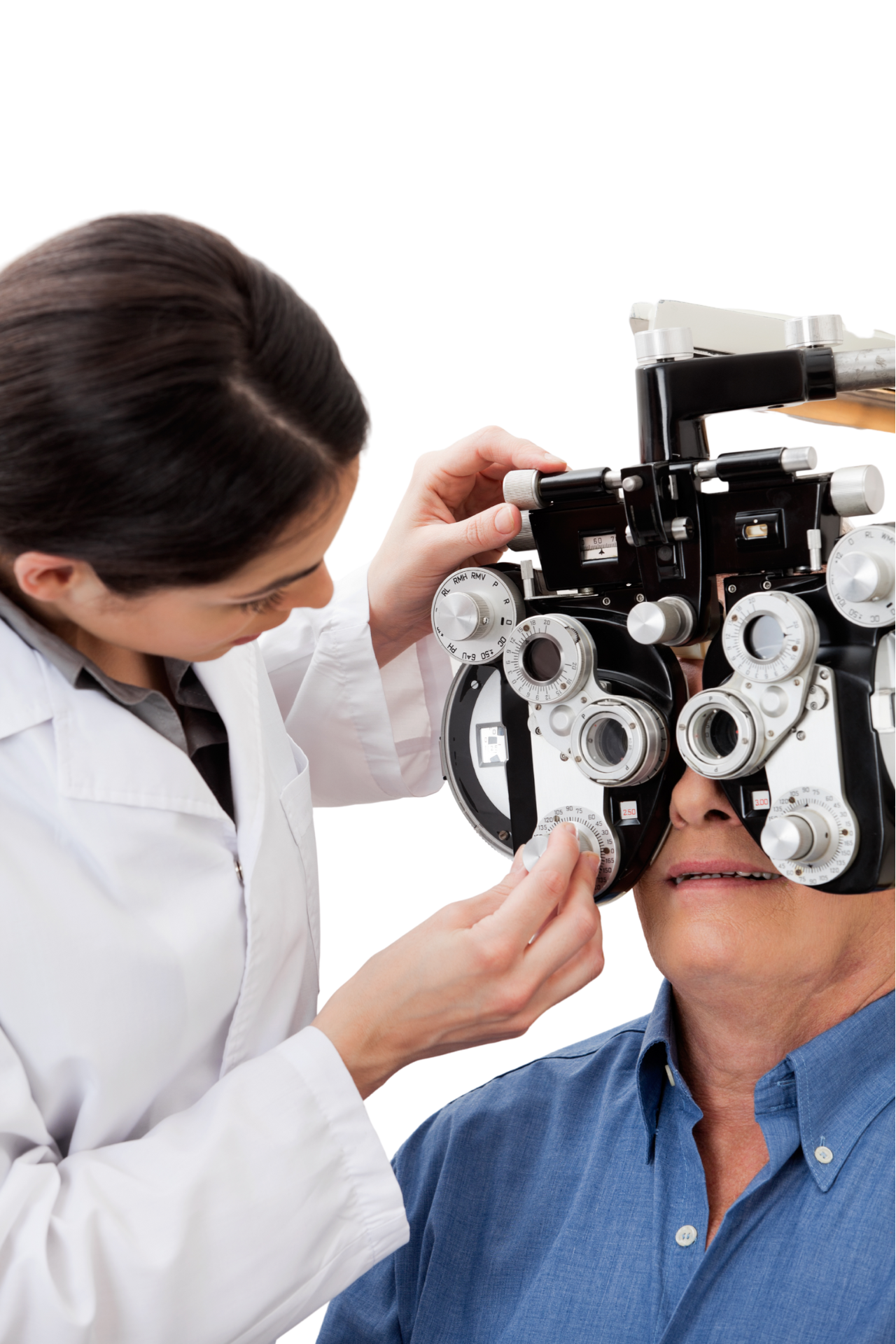
When you visit your optometrist or ophthalmologist, they perform a series of tests designed to evaluate every aspect of your sight. While the visual acuity test (reading the chart) is the most famous part, it’s only the beginning.
Modern exams now focus heavily on digital eye strain. As we spend more time on screens, our eyes work harder than ever. Your doctor will assess how your eyes track and focus together to ensure you aren’t suffering from “Computer Vision Syndrome,” which causes fatigue and dryness.
They will also measure your intraocular pressure and may use dilation drops to obtain a clear view of your retina and optic nerve. These steps are essential for a complete health profile.
Warning Signs You Shouldn’t Ignore
While preventative care is the goal, you should never wait for your annual appointment if you experience “red flags.” Your body often sends subtle signals about vision care through discomfort or changes in clarity.
Keep an eye out for these symptoms:
- Frequent Headaches: Especially those that occur after a long day of reading or computer work.
- Blurred or Double Vision: This can indicate a change in your prescription or a more serious underlying issue.
- Difficulty Seeing at Night: If streetlights look like “halos” or you struggle to see the road, your night vision may be compromised.
- Sudden Floaters or Flashes: This could be a sign of a retinal tear and requires immediate attention.
- Eye Fatigue: Persistent tiredness in the eyes that doesn’t go away with rest.
How Often Should You See an Eye Doctor?
Determining the right exam frequency depends mainly on your age and risk factors. Here is a general guideline for maintaining healthy vision:
- Children: Should have their first exam at 6 months, then at age 3, and before starting school. Sight is critical for learning and development.
- Adults (18-60): A comprehensive exam every two years is recommended for those with no existing issues.
- Seniors (61+): Annual exams are vital, as the risk of cataracts and age-related macular degeneration increases significantly.
- At-Risk Individuals: If you have diabetes or a family history of eye disease, your doctor may recommend visits every 6 to 12 months.
Conclusion: Investing in Your Vision
Your sight is your most valuable sense. While it’s easy to take it for granted, regular eye check ups are an investment in your future quality of life. By catching issues early and keeping your prescription accurate, you reduce strain and protect yourself from preventable vision loss.
Don’t wait for your vision to fade before taking action. Please take a moment to review your calendar today and consider prioritizing your eye health by scheduling a professional exam.
Frequently Asked Questions (FAQs)
What is the difference between a vision screening and a comprehensive eye exam?
A vision screening is a basic test, like those at schools, meant to identify significant blurring. A comprehensive eye exam is a medical evaluation that checks the internal and external health of the eye, looking for diseases that a screening would miss.
Can a regular eye check up help with my frequent headaches?
Yes, absolutely. Undiagnosed farsightedness or eye strain often triggers chronic headaches. When your eyes have to work too hard to focus, the muscles fatigue, which can lead to tension headaches. A simple pair of reading or computer glasses can solve the problem.
Is it necessary to get an eye exam if I have perfect vision?
Yes. Many severe eye conditions, such as glaucoma, do not affect your central vision until they reach an advanced, irreversible stage. Regular exams are the only way to detect these “silent” issues while they are still treatable.
Protect Your Vision with Expert Eye Care Resources
Regular eye examinations are the foundation of healthy vision. Explore expert articles on eye diseases, advanced treatments, and preventive eye care to keep your eyesight protected.
5 Signs You Need an Eye Checkup Right Away
Recognize important warning signs before they affect your vision.
Best Eye Hospital in Ludhiana
Discover comprehensive eye care services for every stage of life.
Can Cataracts Cause Blindness?
Learn how early diagnosis can prevent serious vision complications.
Best Eye Treatments Available in Ludhiana
Explore advanced treatment options for common eye conditions.
Advanced Cornea Care in Ludhiana
Understand the importance of specialized corneal treatment.
Best LASIK Hospital in Ludhiana
Learn about modern vision correction procedures and benefits.