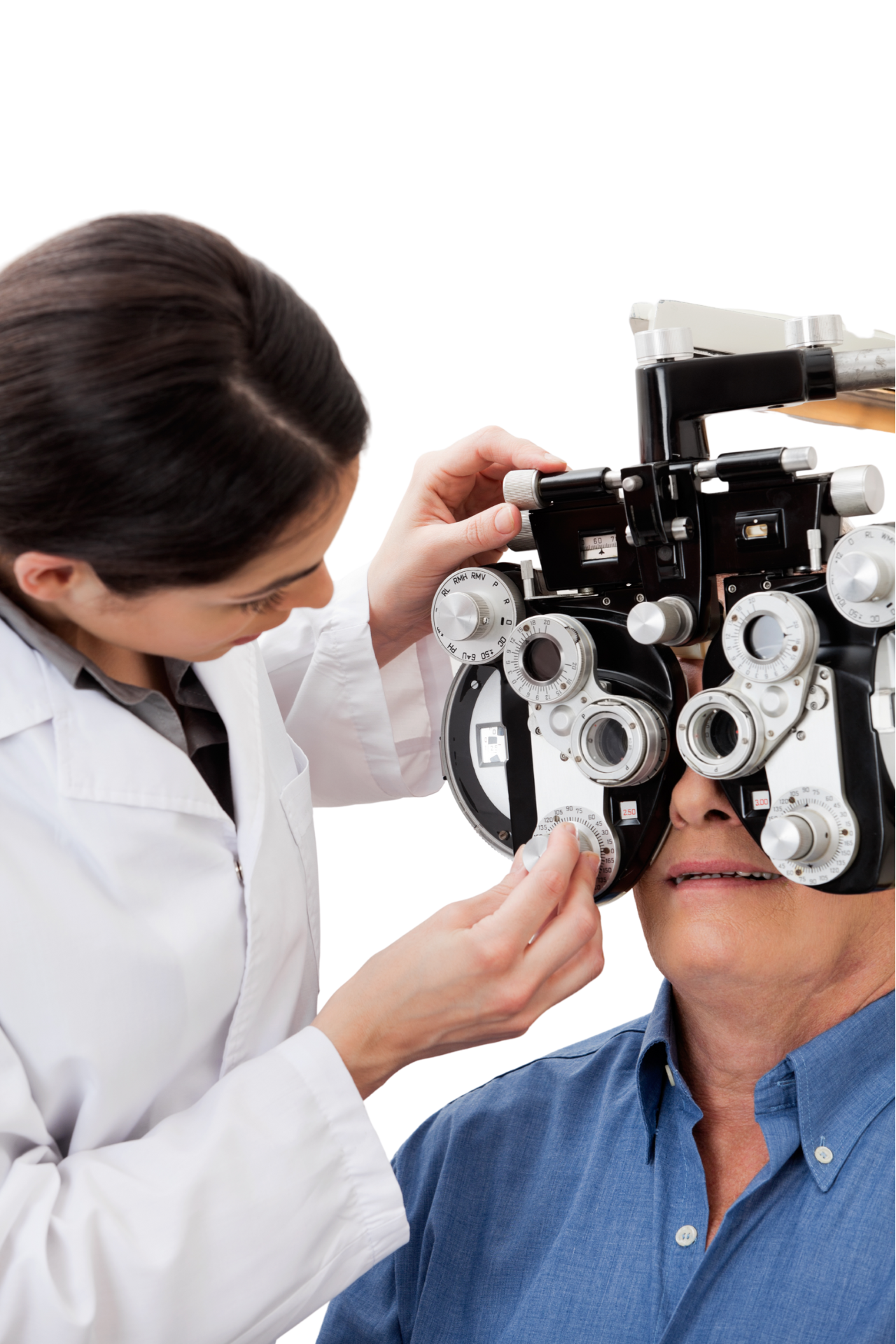
A cataract can make ordinary routines unexpectedly difficult. You may notice that newspaper print looks washed out, oncoming headlights feel harsh, or new spectacles no longer make things clear. But for many patients, cataract is not the only issue affecting eyesight. Diabetes, glaucoma, dry eye or a retinal condition may influence the tests needed before surgery, the choice of artificial lens and the vision you can realistically expect afterwards.
If you are searching for a cataract hospital in Ludhiana, the useful question is not simply “Where can I have the cloudy lens removed?” It is “How will the eye-care team evaluate my whole eye before recommending surgery?” That is especially important if you take diabetes medicines, use glaucoma drops, have previously had retinal treatment, or have been told that your cornea is irregular.
This guide focuses on those overlapping conditions and on the conversations worth having before making a decision. It complements the general cataract treatment information available at Baath Eye Care Centre rather than repeating a basic step-by-step explanation of cataract surgery.
Why a cataract assessment should look beyond the cloudy lens
A cataract forms when the natural lens inside the eye becomes cloudy. Removing that lens and replacing it with an intraocular lens (IOL) can improve vision limited by cataract. It cannot, however, reverse damage already caused by glaucoma, diabetic retinal disease or some other eye disorders. Two patients with similarly dense cataracts may therefore experience different levels of improvement after surgery.
A thorough assessment seeks to establish three things: how much of the visual difficulty is caused by the cataract; whether another eye problem needs treatment or monitoring; and what type of IOL is appropriate for the eye and for the person’s everyday activities. The surgeon may need additional investigations if the cataract makes examination of the retina difficult or if existing test results are unreliable.
In practical terms, this is why a cataract consultation should include more than a quick glasses-power check. Your medical history, ocular history, examination findings, expectations and practical needs all matter.
Cataract surgery and diabetes: what changes in the plan?
The retina needs attention, not just the lens
Diabetes can affect the small blood vessels of the retina. Diabetic retinopathy and diabetic macular oedema may reduce vision independently of a cataract. If the retina is already damaged, removing the cloudy lens does not automatically restore normal eyesight. This does not mean cataract surgery is impossible; it means the retinal findings should be considered as part of the treatment plan.
Depending on the examination, an ophthalmologist may recommend a dilated retinal assessment, optical coherence tomography (OCT) of the macula or a retina consultation. Some patients need retinal treatment or closer monitoring around the time of surgery. The sequence is individual: it depends on how severe the cataract is, what the retina shows and how urgently either condition needs attention.
Blood glucose matters, but there is no single rule for everyone
Tell the team which diabetes medicines you use, whether you take insulin, and whether you have recently experienced significant changes in glucose levels. The surgical and medical teams will advise you about eating, fasting and medication on the day of surgery. Never stop insulin, tablets or other prescribed medicines on your own because you have a cataract appointment.
High or fluctuating glucose can also temporarily affect refraction and sometimes the consistency of preoperative measurements. The goal is a sensible, coordinated plan, not an arbitrary promise that a particular blood sugar number guarantees a particular surgical result.
Questions a person with diabetes should ask
- Can you see my macula clearly, or do I need an OCT or retinal review?
- Do I have diabetic retinopathy or macular swelling that could limit the visual result?
- Will I need any change to my diabetes-medicine routine on surgery day?
- What follow-up is appropriate for my retina after cataract surgery?
Glaucoma and cataract: protecting the remaining vision
Glaucoma damages the optic nerve, often in association with raised eye pressure. Cataract and glaucoma can occur in the same person, particularly later in life. Cataract surgery may improve the cloudiness caused by the lens, but it does not restore optic-nerve tissue that has already been lost. That distinction is central to realistic counselling.
Before surgery, the eye doctor may review eye pressure, the optic nerve, visual-field results and the current glaucoma medication plan. Some people need closer eye-pressure monitoring after surgery. In selected cases, the specialist may discuss whether a combined procedure is appropriate; that decision depends on the type and severity of glaucoma, current pressure control and the eye’s anatomy. It should not be assumed that cataract surgery replaces glaucoma treatment.
If you use pressure-lowering eye drops, bring a complete list or the actual bottles to your visit. Ask specifically which drops to continue. Do not discontinue them without instructions. Patients with advanced visual-field loss should discuss the limits of expected improvement and the importance of follow-up, even if the cataract operation itself is uncomplicated.
Dry eye and corneal problems: why measurements may need extra care
A stable tear film and a healthy corneal surface help the eye-care team measure the eye accurately. Dry eye can cause variable blur, irritation and inconsistent measurements. When the surface is significantly affected, the surgeon may advise treatment and repeat measurements before selecting an IOL. This can be particularly relevant when a patient wants to reduce dependence on spectacles.
Symptoms such as burning, grittiness, watering, fluctuating vision and discomfort while using screens are worth mentioning. Watering does not rule out dry eye. A patient may have both cataract and tear-film disease, and addressing one does not automatically solve the other.
Corneal scars, previous refractive surgery, keratoconus or other irregularities can make lens-power calculations more complex. If you have ever undergone LASIK or another eye operation, bring the earlier records if available. The team may require corneal mapping or additional measurements. The choice of IOL should take the corneal findings into account rather than relying solely on a preferred lens category.
Retinal conditions and high myopia: set expectations early
People with age-related macular degeneration, a history of retinal detachment, retinal tears or high myopia may require a more detailed assessment. The retina is the light-sensitive tissue that turns light into signals for the brain. When it is affected, cataract surgery can remove an obstacle to light entering the eye but cannot repair every cause of reduced retinal function.
A history of high myopia may influence retinal assessment and risk counselling. A person who previously underwent retinal laser treatment or surgery should tell the cataract surgeon when it happened and whether the retina is stable. Where indicated, a retinal specialist’s input can help with planning. After cataract surgery, new flashes of light, a sudden shower of floaters or a dark curtain across vision require prompt medical evaluation.
This is also why the phrase “clear vision after cataract surgery” should never be treated as a guarantee. The likely improvement depends on the whole eye, not only the implanted lens.
How does the doctor decide which intraocular lens is suitable?
An IOL is the artificial lens implanted after the cloudy natural lens is removed. Lens selection should start with the health of the eye and then consider what the patient does each day. Reading, driving after dark, using a phone, working at a computer and performing detailed near tasks place different demands on vision.
Monofocal lenses
A monofocal IOL usually targets one main distance. Many patients choose distance focus and use spectacles for near work. A monofocal design may also be considered when retinal or optic-nerve disease makes visual quality and contrast important, although the decision must be personalised.
Toric lenses
A toric IOL is designed to correct suitable amounts of corneal astigmatism. It is not automatically appropriate for every cornea, especially where measurements are unstable or the cornea is irregular. The surgeon will assess whether it is likely to be beneficial.
EDOF and trifocal lenses
Extended-depth-of-focus (EDOF) and trifocal designs may offer a broader range of useful vision for selected patients. They can also involve trade-offs, including night-time visual phenomena or contrast considerations. People with significant retinal disease, advanced glaucoma or corneal irregularity need careful individual counselling before considering these options. No lens can promise complete freedom from glasses in all situations.
Baath Eye Care Centre describes monofocal, toric, EDOF and trifocal options on its cataract service page. That is a useful starting point for discussion, but a clinical assessment determines which options fit a specific patient: https://baatheyecare.com/cataract-surgery-in-ludhiana/
Seven practical checks before booking cataract surgery in Ludhiana
1. Know what is limiting your vision
Ask whether the cataract appears to explain most of your symptoms. If not, ask which other condition needs attention. The answer may affect whether surgery is the next step or whether further tests are worthwhile.
2. Share every relevant medical detail
Mention diabetes, glaucoma, eye injuries, steroid use, allergies, medicines, previous laser procedures and operations. Include medicines used for conditions outside ophthalmology. A complete history allows the team to plan safely.
3. Confirm the tests needed for your eye
Measurements commonly used for cataract planning include biometry and assessment of the cornea. Some patients also require detailed retinal or optic-nerve testing. Additional tests should serve a clinical purpose; they are not a substitute for explaining the findings.
4. Discuss activities, not only spectacle power
Do you drive at night? Use a computer for long periods? Read small print? Prefer to wear reading glasses if that helps avoid unwanted night-time effects? These details help make lens selection a practical choice.
5. Clarify what improvement is realistic
Ask which symptoms are likely to improve and which could remain because of another eye condition. It is reasonable to request a clear explanation of uncertainty, particularly if the cataract blocks a full view of the retina.
6. Understand the follow-up plan
Ask about eye drops, review visits, how to protect the eye and whom to contact for urgent symptoms. People with diabetes, glaucoma or retinal disease may need follow-up beyond a standard uncomplicated recovery schedule.
7. Get a written estimate and insurance clarification
Ask for a breakdown of the suggested surgical package, IOL choice, investigations, medication and follow-up arrangements. If you intend to claim insurance, confirm the policy’s requirements, network status and eligibility directly before proceeding. Coverage and out-of-pocket costs vary.
What happens if surgery is postponed?
Not every cataract needs immediate surgery. If vision remains adequate for daily activities and the eye can be monitored, the doctor may recommend observation and periodic review. However, difficulty with mobility, reading medicine labels, cooking safely or driving can make continued delay less practical. Cataracts may also become denser over time and complicate examination of other eye structures.
The right timing depends on how much the cataract affects the patient, the condition of the rest of the eye and any medical or surgical factors. Waiting for a cataract to become “ripe” is not a universal requirement. Equally, the existence of a cataract alone does not mean everyone should have immediate surgery.
Recovery when another eye disease is present
After cataract surgery, mild scratchiness, some redness and temporary blur can occur during healing. Use prescribed drops exactly as directed and avoid rubbing or pressing the eye. Your surgeon will advise when to resume exercise, driving and other activities. Do not assume a friend’s recovery timeline applies to you.
The eye may need extra monitoring when there is pre-existing glaucoma, diabetic retinopathy, macular disease or another relevant condition. Vision may also change as the eye heals and as the brain adjusts to a new optical system. An updated spectacles prescription, if needed, is generally considered once vision has stabilised.
Seek urgent ophthalmic assessment for severe or increasing pain, sudden reduction in vision, marked worsening redness, new flashes or numerous floaters, or a shadow or curtain in your vision. These symptoms are not something to wait out at home. For a fuller general overview of post-operative care, see the hospital’s existing patient guide: https://baatheyecare.com/cataract-surgery-do-you-really-need-it/
Choosing a cataract hospital in Ludhiana: what patients should look for
A useful evaluation of a cataract hospital in Ludhiana begins with access to careful examination and clear explanations. Patients should understand why surgery is being advised, the major benefits and risks, what the tests show, and what alternatives or waiting options exist. They should also know who will perform the operation and how concerns after discharge will be handled.
Baath Eye Care Centre lists cataract surgery and related ophthalmic services at its Ludhiana centre. Its website describes phacoemulsification and micro-incision cataract surgery, along with different IOL categories. Patients who have another eye condition should discuss how these services fit their own clinical needs rather than assuming every technique or lens suits every eye.
For general information on the hospital and its eye-care services, visit https://baatheyecare.com/. Patients can also review the contact and appointment information at https://baatheyecare.com/contact-baath-eye-care-centre/.
Frequently asked questions
1. Can I have cataract surgery if I have diabetes?
Often yes. The decision depends on the cataract, the health of the retina and the person’s overall medical situation. Your ophthalmologist may recommend retinal imaging, treatment or closer monitoring as part of the plan.
2. Will removing a cataract cure diabetic retinopathy?
No. Cataract surgery removes the cloudy natural lens; diabetic retinopathy affects the retina. Both conditions need their own assessment and, where indicated, treatment.
3. Is cataract surgery possible when I already have glaucoma?
It may be possible, but optic-nerve damage cannot be reversed by cataract removal. The doctor will review eye-pressure control, medicines, visual-field loss and the post-operative monitoring plan.
4. Should I stop glaucoma eye drops before surgery?
Do not stop them without specific instructions from your treating ophthalmologist. Bring all your medication details to the pre-surgery visit.
5. Why might I need an OCT scan before cataract surgery?
An OCT scan can help show the macula, the central part of the retina, in detail. It may be useful if symptoms, diabetes or examination findings suggest a retinal problem that could affect vision after surgery.
6. Does dry eye affect cataract lens measurements?
It can. An unstable tear film may make certain measurements less consistent, so treatment and repeat testing are sometimes advised before finalising IOL power.
7. Can I choose a trifocal lens if I have a retinal condition?
Not automatically. Lens choice depends on the type and severity of the retinal condition, visual quality, daily activities and expectations. Discuss the possible trade-offs with your surgeon.
8. Will I still need spectacles after cataract surgery?
Possibly. Spectacle requirements depend on the chosen lens, residual refractive error, healing and other eye conditions. No IOL guarantees that glasses will never be needed.
9. What symptoms after surgery need urgent attention?
Sudden loss of vision, severe or worsening pain, pronounced redness, new flashes, a sudden increase in floaters or a dark curtain across vision require prompt contact with an eye specialist.
10. Where can I arrange a cataract consultation in Ludhiana?
Baath Eye Care Centre lists its Ludhiana centre at 329 CX, Model Town Extension, Model Town, Ludhiana, Punjab 141002. Call +91 6262627755 or use the appointment/contact details on the official website.
Cataract consultation at Baath Eye Care Centre, Ludhiana
If cataract symptoms are interfering with everyday life, a comprehensive eye examination can clarify whether the cloudy lens is the main problem and whether another condition needs attention. Baath Eye Care Centre provides cataract-related consultation and treatment information through its official website.
Address: 329 CX, Model Town Extension, Model Town, Ludhiana, Punjab 141002
Phone: +91 6262627755
Website: https://baatheyecare.com/
Appointment/contact details: https://baatheyecare.com/contact-baath-eye-care-centre/
An appointment is an opportunity to review your reports, talk through lens choices and understand what improvement is realistic for your eyes. The most useful decision is one made with a clear diagnosis and an individual treatment plan.
Conclusion: plan for the whole eye, not only the cataract
Cataract surgery planning is more thoughtful when diabetes, glaucoma, dry eye or retinal disease is part of the picture. These conditions do not automatically prevent treatment, but they can change the investigations, IOL discussion, timing and follow-up. When searching for a cataract hospital in Ludhiana, prioritise an assessment that addresses those factors openly. Understanding what cataract surgery can improve, and what it cannot, is an important part of informed care.