Glaucoma is a group of eye conditions that can damage the optic nerve and gradually affect vision. In many cases, it may develop without obvious symptoms in the early stages, which is why regular eye examinations can be important for people at risk.
If you are looking for the Best Glaucoma Hospital in Ludhiana, understanding the early signs of glaucoma can help you recognise when professional eye care may be needed. Early evaluation can help an ophthalmologist identify changes in the eye and recommend appropriate monitoring or treatment.
What Is Glaucoma?
Glaucoma occurs when the optic nerve, which carries visual information from the eye to the brain, becomes damaged. The condition can progress gradually and may cause permanent vision loss if it remains untreated.
Although increased eye pressure is an important risk factor for many types of glaucoma, glaucoma can also occur when eye pressure is within the usual range. Therefore, measuring eye pressure alone is not enough to determine whether a person has glaucoma.
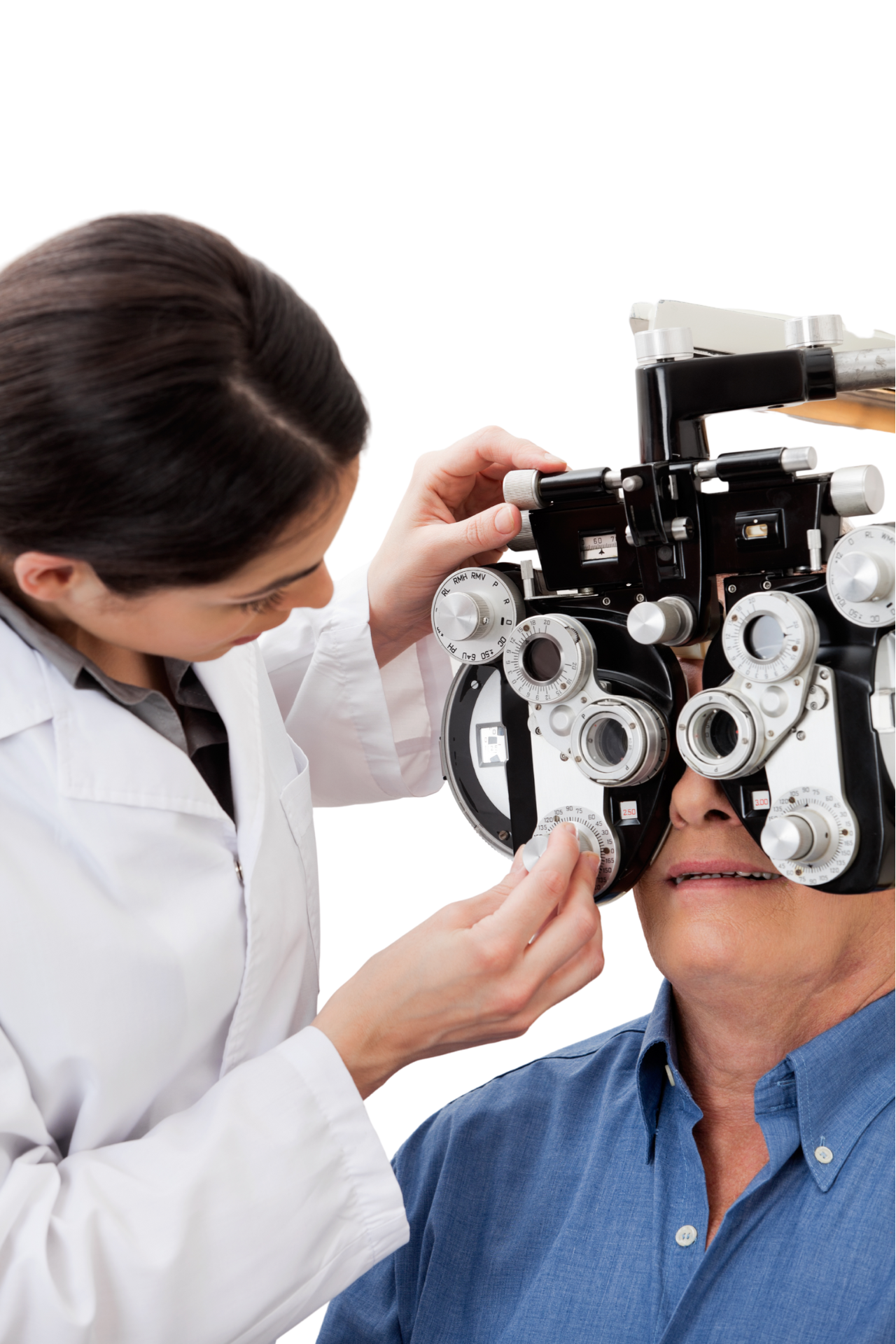
A comprehensive eye examination may include assessment of the optic nerve, visual field, eye pressure, and other aspects of eye health.
What Are the Early Signs of Glaucoma?
One of the challenges with glaucoma is that early glaucoma may not cause noticeable symptoms. Some people may continue to see normally while changes are gradually occurring in the optic nerve.
As glaucoma progresses, symptoms may include:
- Gradual loss of peripheral or side vision
- Difficulty noticing objects to the side
- Changes in visual field
- Increasing difficulty navigating in certain situations
- Vision loss that becomes more noticeable over time
Because early changes can be difficult to recognise, Glaucoma Screening in Ludhiana may be particularly important for people with risk factors or a family history of glaucoma.
Why Early Detection Matters
Glaucoma-related optic nerve damage cannot simply be reversed once it has occurred. However, early diagnosis and appropriate management can help reduce the risk of further vision loss.
This is why people should not wait for noticeable vision problems before having their eyes examined, particularly if they have risk factors for glaucoma. A Glaucoma Specialist in Ludhiana can assess the eyes and recommend appropriate tests based on the individual’s age, symptoms, medical history, and risk profile.
Common Symptoms of Glaucoma
The symptoms of glaucoma can vary depending on the type and stage of the condition. In open-angle glaucoma, vision changes may develop so gradually that a person does not notice them initially.
As the condition progresses, some people may experience:
- Gradual loss of side or peripheral vision
- Difficulty noticing objects outside the central field of vision
- Increasing difficulty with everyday visual tasks
- Progressive changes in the visual field
Some forms of glaucoma can develop differently and may cause more sudden symptoms. Severe eye pain, sudden blurred vision, halos around lights, nausea, vomiting, or marked eye redness require prompt medical assessment.
Who Is at Higher Risk of Glaucoma?
Certain factors can increase the likelihood of developing glaucoma. These may include:
- Increasing age
- A family history of glaucoma
- High eye pressure
- Previous eye injury
- Certain medical conditions
- Certain medications
- Other eye-related risk factors
Having a risk factor does not mean that a person will definitely develop glaucoma. However, people at higher risk may benefit from regular examinations as advised by an ophthalmologist.
Can Glaucoma Be Detected Before Vision Loss?
Yes. Glaucoma can sometimes be identified before a person notices significant changes in everyday vision. This is one reason regular eye examinations are important, particularly for people with risk factors.
If an examination identifies suspicious changes, the ophthalmologist may recommend additional testing or periodic monitoring. Early identification allows appropriate management to be considered before significant vision loss develops.
Glaucoma Treatment Options
The appropriate Glaucoma Treatment depends on the type and severity of glaucoma, the level of eye pressure, the condition of the optic nerve, and other individual factors. Treatment is generally aimed at controlling the condition and reducing the risk of further optic nerve damage.
Depending on the patient’s condition, treatment may include:
- Prescription eye drops to help control eye pressure
- Laser treatment in appropriate cases
- Surgical procedures when other treatment approaches are not sufficient
- Regular monitoring and follow-up examinations
Treatment should always be planned by an ophthalmologist after a detailed assessment rather than based only on symptoms or eye-pressure readings.
Choosing the Best Glaucoma Hospital in Ludhiana
When choosing the Best Glaucoma Hospital in Ludhiana, patients should look beyond promotional claims and consider factors such as:
- Availability of qualified ophthalmologists
- Comprehensive glaucoma evaluation
- Appropriate diagnostic testing
- Individualised treatment planning
- Access to medical, laser, or surgical treatment when required
- Regular follow-up and monitoring
For patients who require a procedure, the ophthalmologist should explain why it is being recommended, what the treatment involves, and what follow-up care may be required.
Frequently Asked Questions
Can glaucoma cause permanent vision loss?
Yes. Glaucoma can cause permanent vision loss when optic nerve damage progresses. Early detection and appropriate management can help reduce the risk of further damage.
Can glaucoma have no symptoms?
Yes. Some forms of glaucoma may develop gradually without noticeable symptoms in the early stages. Regular eye examinations can therefore be important for people at higher risk.
Is high eye pressure always glaucoma?
No. High eye pressure is an important risk factor, but not everyone with elevated pressure develops glaucoma. Similarly, glaucoma can occur in some people without significantly elevated eye pressure.
How often should I have a glaucoma check-up?
The appropriate frequency depends on your age, risk factors, previous examination findings, and whether you already have glaucoma. An ophthalmologist can recommend a suitable follow-up schedule.
Conclusion
Glaucoma may progress quietly, making early detection particularly important. Since early disease may not cause obvious symptoms, regular eye examinations can help identify changes before significant vision loss becomes noticeable.
If you have risk factors, a family history of glaucoma, or changes in your vision, consult an ophthalmologist for an appropriate evaluation. If you are considering Glaucoma Surgery in Ludhiana, discuss the available treatment options, expected benefits, risks, and follow-up requirements with a qualified eye specialist.
About Baath Eye Care
Baath Eye Care provides ophthalmic care for different eye conditions, including glaucoma-related evaluation and treatment. Patients can undergo an appropriate eye examination to understand their condition and discuss suitable management options with an ophthalmologist.
For accurate information about available glaucoma services, specialists, facilities, and appointments, patients should refer to the centre’s official information or contact the eye-care team directly.
Book Your Glaucoma Evaluation at Baath Eye Care
If you are concerned about glaucoma or looking for the Best Glaucoma Hospital in Ludhiana, a comprehensive eye examination can help assess your eye health and identify any glaucoma-related changes. Consult an ophthalmologist to understand your diagnosis and appropriate treatment options.
Baath Eye Care
Address: 329 CX, Model Town Extension, Model Town, Ludhiana, Punjab 141002
Phone: 062626 27755
Website: https://baatheyecare.com/
GMB: https://share.google/9u6fbCXSHZxRtxVm2
Instagram:https://www.instagram.com/baatheyecarecentre/
Facebook:https://www.facebook.com/baatheyecarecentre
Medical Disclaimer: This article is intended for general informational and educational purposes only. It does not replace professional medical advice, diagnosis, or treatment. Glaucoma symptoms, risk factors, and treatment requirements can vary between individuals. Consult a qualified ophthalmologist for a comprehensive eye examination and personalised medical advice.