When people search for an eye hospital near me, they are usually looking for more than the closest clinic on Google Maps. They may have blurred vision, persistent eye redness, difficulty seeing at night, a child who is struggling at school, sudden flashes or floaters, or simply a need for a routine eye examination.
The right eye care centre should match the type of problem you have. A routine vision check, cataract assessment, LASIK consultation, glaucoma evaluation and sudden loss of vision are very different situations and may require different examinations and specialist expertise.
For patients in Ludhiana, choosing an eye hospital should therefore involve more than distance. It is worth considering the doctor’s qualifications, the range of ophthalmic services available, diagnostic facilities, treatment options, follow-up arrangements and whether the centre can evaluate your particular eye concern.
Baath Eye Care Centre in Model Town Extension, Ludhiana provides comprehensive ophthalmic care including cataract treatment, refractive surgery, LASIK, glaucoma care, paediatric ophthalmology, cornea and ocular surface care, neuro-ophthalmology, strabismus treatment and other specialist services.
If you are searching for an eye hospital near me in Ludhiana, this guide explains what to consider before booking an appointment and when an eye problem may require prompt specialist attention.
What Does “Eye Hospital Near Me” Actually Mean?
A local search for an eye hospital is often driven by convenience. Patients want to know:
- Where can I get my eyes examined?
- Is there an eye specialist close to my home or workplace?
- Can the hospital treat my particular eye condition?
- Do I need an ophthalmologist or only a routine vision check?
- Can I get diagnostic tests at the same centre?
- Where should I go if my vision changes suddenly?
- Does the hospital provide treatment for children as well as adults?
The closest eye clinic is not necessarily the most appropriate one for every condition.
For example, someone who needs a routine prescription check may have different requirements from someone with suspected glaucoma. A child with squint may need paediatric ophthalmology expertise, while a person considering LASIK needs a detailed refractive assessment before any decision about surgery.
This is why the better question is not simply “Which eye hospital is nearest to me?” but:
“Which eye hospital near me has the appropriate expertise and diagnostic capability for my eye problem?”
7 Things to Check Before Choosing an Eye Hospital Near You
1. Check Whether the Hospital Treats Your Specific Eye Problem
Eye care covers a large range of conditions.
A comprehensive eye hospital may provide services for:
- Cataract
- Glaucoma
- Corneal and ocular surface conditions
- Refractive errors
- LASIK and other refractive procedures
- Paediatric eye conditions
- Squint and strabismus
- Neuro-ophthalmic problems
- Dry eye
- Eye infections
- Low vision
- Certain retinal and laser-related conditions
- Oculoplastic and orbital conditions
Before booking an appointment, check whether the hospital has a relevant department or specialist service.
Baath Eye Care Centre provides multiple specialist eye-care services from its Ludhiana centre, allowing patients to seek assessment for different types of eye conditions at one location.
2. Look at the Ophthalmologist’s Qualifications and Specialist Training
The doctor assessing your eyes is one of the most important factors in choosing an eye hospital.
Patients should look for relevant ophthalmology qualifications and specialist training rather than choosing a hospital only because it appears prominently in local search results.
At Baath Eye Care Centre, Dr. Jagroop Singh Baath is listed as DO, MS, FCO (LVPEI), with fellowship training in Paediatric Ophthalmology, Strabismus and Neuro-Ophthalmology at LV Prasad Eye Institute, Hyderabad. The centre also identifies him as a PHACO and LASIK surgeon.
For patients with a complicated or specialist eye concern, understanding the doctor’s training can be particularly useful when deciding where to seek an evaluation.
3. Ask What Diagnostic Tests May Be Needed
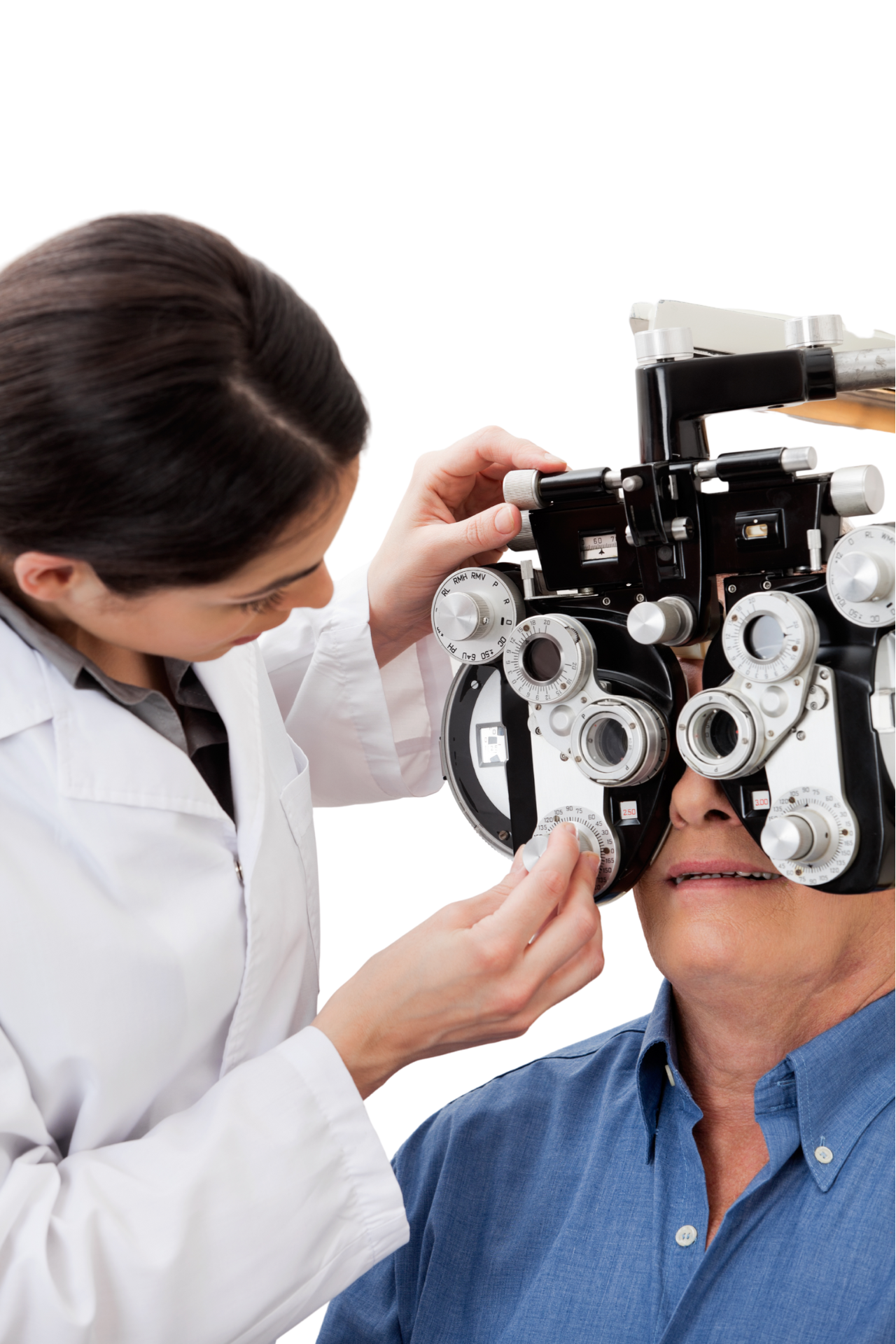
An eye examination is not always limited to checking whether you can read letters from a chart.
Depending on your symptoms and medical history, an ophthalmic evaluation may include assessment of vision, eye pressure, cornea, lens, retina, optic nerve and other structures.
The appropriate investigations depend on the suspected condition.
For example:
- A cataract assessment may involve detailed examination of the lens and measurements needed for surgical planning.
- A glaucoma evaluation may include eye-pressure assessment, optic nerve evaluation and visual-field testing.
- A corneal assessment may require corneal mapping or other measurements.
- A refractive surgery assessment may involve detailed corneal and refractive measurements.
- A child may require age-appropriate vision and binocular-vision assessment.
Baath Eye Care Centre lists diagnostic and technological facilities including autorefractor equipment, contact tonometry, corneal topography and pachymetry, ophthalmoscopy, lasers and surgical microscopy.
The availability of appropriate diagnostics can make the assessment more comprehensive and help the ophthalmologist decide whether treatment is required.
4. Do Not Choose an Eye Hospital Only Because It Is Close
Location matters, especially when repeated visits or follow-up are required. However, proximity should not be the only consideration.
Suppose you are experiencing gradually worsening vision. You may need a complete eye examination to determine whether the cause is refractive error, cataract, glaucoma, corneal disease, retinal disease or another condition.
Similarly, if a child is having difficulty seeing the classroom board, frequently rubbing their eyes or developing an eye misalignment, the child may need more than a simple glasses prescription.
An eye hospital should therefore be judged on both accessibility and clinical suitability.
Baath Eye Care Centre is located at:
329 CX, Model Town Extension, Model Town, Ludhiana, Punjab 141002
The centre also serves patients from different parts of Ludhiana and surrounding areas of Punjab.
5. Consider Whether Follow-Up Care Is Available
Treatment does not always end after the first consultation.
Some conditions require regular monitoring. Glaucoma, for example, is generally a long-term condition requiring ongoing assessment and management. Children receiving treatment for certain visual-development problems may also need follow-up.
Patients undergoing procedures such as cataract surgery or refractive surgery also need appropriate postoperative care.
Before choosing an eye hospital, ask:
- How are follow-up appointments arranged?
- Can the same ophthalmologist review my progress?
- Where should I contact the hospital if I develop a concern after treatment?
- Are diagnostic tests available when follow-up requires them?
Having continuity of care can make the treatment journey easier to manage.
6. Understand the Difference Between Routine and Urgent Eye Problems
One of the most important reasons people search for an eye hospital near me is because something has suddenly changed.
Not every eye symptom is an emergency, but some symptoms should not be ignored.
Seek prompt ophthalmic assessment if you experience symptoms such as:
- Sudden loss or significant reduction of vision
- A sudden increase in floaters
- Flashes of light
- A dark curtain or shadow across your vision
- Significant eye pain
- A painful, very red eye
- Sudden double vision
- A serious eye injury
- A chemical injury to the eye
- Sudden vision changes following eye surgery
New flashes and a sudden increase in floaters can sometimes occur with retinal problems. A retinal tear or retinal detachment can threaten vision and requires urgent assessment.
If you suddenly cannot see, have severe eye pain, or have sustained a serious eye injury, seek emergency medical attention rather than waiting for a routine appointment.
7. Choose a Centre That Can Guide You Instead of Automatically Recommending Treatment
A good eye consultation should begin with understanding the patient’s condition.
Not every person with blurry vision needs surgery.
Not every person wearing glasses needs LASIK.
Not every person with cataract symptoms needs immediate surgery.
And not every red eye has the same cause.
The purpose of an ophthalmic consultation is to determine what is actually causing the problem and what treatment, if any, is appropriate.
This is particularly important for elective procedures such as LASIK and premium lens options for cataract surgery, where suitability depends on individual eye measurements, health, lifestyle and expectations.
When Should You Search for an Eye Hospital Near Me?
People often postpone an eye examination because the symptoms seem minor.
However, several common changes can justify a professional eye assessment.
Blurry Vision
Blurred vision can result from refractive errors, dry eye, cataract, corneal problems, retinal conditions and other causes.
If your vision remains blurry despite your glasses or contact lenses, or if the change is new or progressively worsening, an eye examination can help identify the reason.
Difficulty Seeing at Night
Problems with night vision can have different causes. Some people experience difficulty because of refractive error or changes associated with cataract, while other causes require further assessment.
If night driving has become uncomfortable or you notice increased glare from headlights, discuss the problem with an eye specialist.
Frequent Changes in Glasses
Repeated changes in prescription may simply reflect changing refractive needs, but persistent or unusual changes should be evaluated rather than repeatedly replacing glasses without understanding the cause.
Eye Pain or Significant Redness
Mild irritation can have relatively simple causes, but significant pain, redness, light sensitivity or changes in vision deserve professional attention.
Contact lens wearers should be particularly cautious if they develop a painful red eye or vision changes.
New Floaters or Flashes
A few floaters can be common, especially with age. However, a sudden increase in floaters, flashes of light or a curtain-like shadow over vision can be warning signs of retinal problems.
These symptoms should be assessed promptly.
What Type of Eye Specialist Do You Need?
The phrase “eye doctor” covers a wide range of clinical needs.
For Cataract
If you have gradually worsening vision, glare, faded colours or difficulty seeing clearly at night, you may need a cataract evaluation.
Baath Eye Care Centre provides cataract assessment and surgery, including phacoemulsification and MICS-based cataract procedures.
Learn more:
Cataract
For LASIK or Refractive Surgery
If you are considering reducing your dependence on glasses or contact lenses, you need a proper refractive evaluation before deciding whether LASIK or another procedure is suitable.
The assessment considers factors such as your prescription, corneal measurements, eye health and individual circumstances.
Baath Eye Care Centre provides refractive surgery services in Ludhiana.
Refractive Surgery
LASIK information is also available here:
Lasik
For Glaucoma
Glaucoma can develop gradually and may not cause obvious symptoms in its early stages. Regular eye examinations are important because early detection and appropriate management can help protect vision.
Patients concerned about glaucoma can learn more about the centre’s glaucoma service here:
Glaucoma Clinic in Ludhiana
For Children’s Eye Problems
Children may not always recognise or explain that their vision is poor.
Parents should pay attention to signs such as:
- Frequent eye rubbing
- Sitting very close to screens or books
- Difficulty reading the classroom board
- Headaches associated with visual tasks
- One eye turning in or out
- Frequent squinting
- Difficulty tracking objects
- Complaints that one eye sees differently from the other
Baath Eye Care Centre provides paediatric ophthalmology services, including evaluation of childhood vision problems, squint, lazy eye, paediatric cataract and other conditions.
Paediatric Eye Care
For Corneal or Ocular Surface Problems
The cornea is the transparent front surface of the eye and plays an important role in focusing light.
Conditions affecting the cornea or ocular surface can cause pain, redness, watering, light sensitivity or blurred vision.
Baath Eye Care Centre has a dedicated Cornea and Ocular Surface Clinic in Ludhiana.
Cornea Ocular Surface Clinic in ludhiana
Why a Comprehensive Eye Hospital Can Be Useful
One advantage of a comprehensive eye-care centre is that patients can start with an examination instead of trying to diagnose themselves.
For example, blurred vision may appear to be a simple glasses problem but could have another cause. Similarly, eye discomfort could be related to dry eye, allergy, infection, corneal disease or another condition.
A complete evaluation helps the ophthalmologist understand the underlying problem.
At Baath Eye Care Centre, the listed services cover routine eye care as well as specialist areas including cataract, refractive surgery, glaucoma, paediatric ophthalmology, strabismus, neuro-ophthalmology, cornea and ocular surface care, low vision and other ophthalmic services.
What Should You Take to Your Eye Appointment?
A little preparation can make the consultation more useful.
Consider taking:
- Your current glasses
- Previous eye-test reports
- Previous surgery records
- A list of medicines you currently take
- Information about existing medical conditions
- Details of previous eye injuries or procedures
- Your contact lenses and prescription information, if applicable
If you are visiting because of a new symptom, note when it started and whether it has become better, worse or stayed the same.
For children, parents should mention any changes noticed at home or school.
Questions to Ask During Your Eye Consultation
Patients often leave a consultation remembering only part of what they were told.
If you are unsure about your diagnosis or treatment, consider asking:
- What is causing my vision problem?
- Do I need any additional tests?
- Is treatment required immediately?
- What treatment options are available?
- What are the benefits and risks of each option?
- Do I need surgery or can the condition be managed without surgery?
- How often should I return for follow-up?
- What symptoms should make me contact the hospital sooner?
These questions can help you understand your treatment plan and make an informed decision.
Why Local Access Matters for Ongoing Eye Care
Ludhiana is a major healthcare centre for patients from the city as well as surrounding areas.
An eye hospital near you can be particularly convenient when treatment requires more than one visit.
Patients may need:
- Initial examination
- Diagnostic testing
- Treatment planning
- Procedure or surgery
- Post-treatment review
- Long-term monitoring
For conditions such as glaucoma or certain paediatric eye disorders, ongoing follow-up can be an important part of care.
Baath Eye Care Centre’s Ludhiana centre is located in Model Town Extension and provides ophthalmic consultations and treatment services.
When “Near Me” Should Become “Right Now”
Searches such as “eye hospital near me” are often made during moments of uncertainty.
If you notice a sudden curtain-like shadow, sudden major vision loss, a sudden increase in floaters and flashes, severe eye pain, or a significant eye injury, do not wait for a convenient routine appointment.
Some eye emergencies are time-sensitive. Prompt medical evaluation can be important for protecting vision.
If a chemical enters the eye, immediate first-aid measures and urgent medical evaluation may be necessary. Do not delay care while trying to identify the exact diagnosis yourself.
The safest approach for an unexpected serious eye symptom is to seek appropriate emergency or urgent ophthalmic care.
Why Baath Eye Care Centre Can Be Considered When Searching for an Eye Hospital Near Me in Ludhiana
For patients comparing local eye-care options, Baath Eye Care Centre provides a broad range of ophthalmic services from its Model Town Extension centre.
The centre lists:
- Cataract surgery
- LASIK and refractive surgery
- Glaucoma care
- Paediatric ophthalmology
- Squint treatment
- Neuro-ophthalmology
- Cornea and ocular surface care
- Low vision services
- Specialist contact lens care
- Oculoplasty and related services
- Eye laser procedures
- Comprehensive eye examinations
The centre is led by Dr. Jagroop Singh Baath, listed as DO, MS, FCO (LVPEI), with specialist fellowship training at LV Prasad Eye Institute.
The focus should not simply be on choosing the “best” hospital based on a search result. Your priority should be finding appropriate medical expertise for your particular eye condition, a suitable diagnostic evaluation and a treatment plan that is explained clearly.
Frequently Asked Questions About Eye Hospital Near Me in Ludhiana
1. How do I choose the right eye hospital near me in Ludhiana?
Look beyond distance. Check whether the hospital treats your specific condition, whether an appropriately qualified ophthalmologist is available, what diagnostic facilities are offered, and whether follow-up care is available when needed.
2. When should I visit an eye hospital instead of an optical store?
An optical store can help with glasses and basic vision-related services, but symptoms such as persistent blurred vision, eye pain, significant redness, sudden vision changes, flashes, new floaters or other concerning symptoms require assessment by an eye-care professional.
3. Can I visit an eye hospital near me for a routine eye examination?
Yes. A routine eye examination can help assess vision and identify eye problems that may not produce obvious symptoms. The appropriate frequency of examinations depends on your age, eye health, medical history and individual risk factors.
4. What symptoms require urgent eye care?
Sudden vision loss, severe eye pain, a serious eye injury, sudden flashes with many new floaters, a curtain or shadow over your vision, and significant vision changes with a painful red eye should be assessed urgently.
5. Can children get their eyes checked at an eye hospital in Ludhiana?
Yes. Children can require specialised eye examinations because vision develops during childhood. Problems such as squint, lazy eye, refractive error and certain childhood eye diseases may need paediatric ophthalmology assessment.
6. Can an eye hospital near me provide cataract surgery?
Many ophthalmic centres provide cataract assessment and surgery. Whether surgery is appropriate depends on the cataract, its effect on daily activities, overall eye health and the ophthalmologist’s evaluation.
Baath Eye Care Centre provides cataract surgery services in Ludhiana.
7. Can I get a LASIK consultation at an eye hospital near me?
Yes. A LASIK consultation should include a detailed assessment of your prescription, corneal health and other factors that determine whether refractive surgery is appropriate. Not everyone who wears glasses is automatically a candidate for LASIK.
8. Should I see an eye specialist for new floaters?
New floaters, particularly when they appear suddenly or are accompanied by flashes or a shadow in your vision, should be assessed promptly because they can sometimes be associated with retinal tears or retinal detachment.
9. What should I bring to my first eye hospital appointment?
Bring your current glasses, previous eye reports, details of previous eye procedures, relevant medical information and a list of medicines. If you are attending because of a new symptom, note when it began and how it has changed.
10. Where is Baath Eye Care Centre located in Ludhiana?
Baath Eye Care Centre is located at 329 CX, Model Town Extension, Model Town, Ludhiana, Punjab 141002. For appointments and current availability, patients can contact the centre at +91 62 62 62 77 55.
Book an Eye Consultation in Ludhiana
If you have been searching for an eye hospital near me in Ludhiana, the most useful next step is to match your symptoms or eye-care needs with the appropriate ophthalmic service.
Whether you need a routine examination, cataract evaluation, glaucoma assessment, paediatric eye care, corneal evaluation or a consultation for refractive surgery, a proper clinical examination should come before deciding on treatment.
Baath Eye Care Centre provides comprehensive eye care from its Ludhiana centre at:
329 CX, Model Town Extension, Model Town, Ludhiana, Punjab 141002
Phone: +91 62 62 62 77 55
Email: info@baatheyecare.com
Website: https://baatheyecare.com/
OPD Hours: Monday to Saturday, 9:00 AM to 6:00 PM
For appointment information, visit:
Contact
Your search for an eye hospital near you should ultimately lead to the right evaluation, not simply the nearest address. If your vision has changed or you have concerns about your eye health, an appropriate ophthalmic examination can help identify the problem and determine what care is needed.