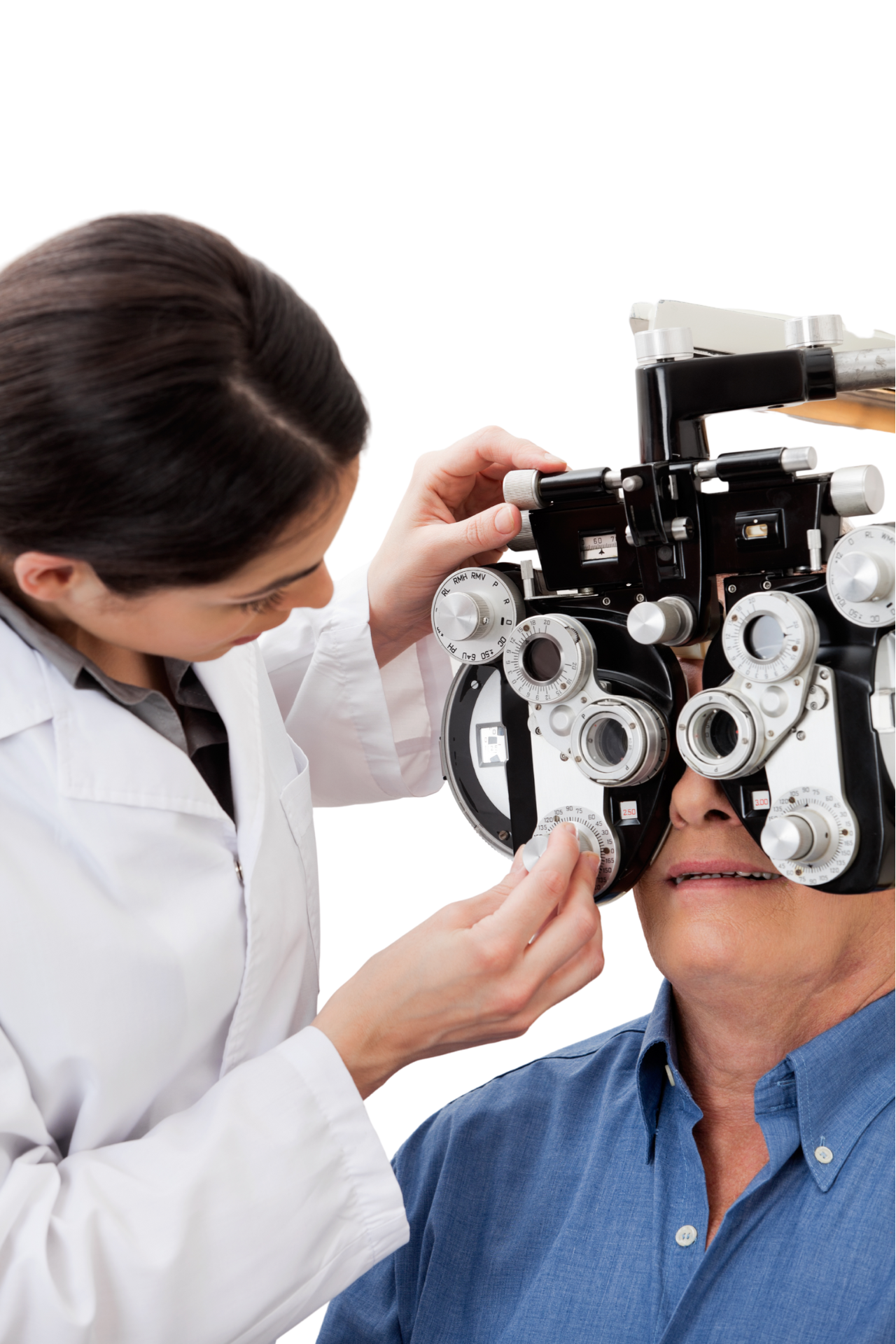
When you search “eye hospital near me”, you may be looking for something as simple as a routine vision check, or you may be concerned about blurred vision, glare, eye pain, changing glasses, your child’s eyesight, cataract, glaucoma or another eye problem.
But one important question often comes before treatment: What actually happens when you visit an eye hospital for a complete eye examination?
A proper eye examination is much more than checking whether your spectacle power has changed. Your eyes contain several structures that work together, including the cornea, lens, retina, optic nerve, eye muscles and focusing system. Different symptoms can come from different parts of the eye, which is why identifying the cause matters before discussing treatment.
For people searching for an eye hospital near me in Ludhiana, understanding the examination process can make the first visit easier and help you ask better questions.
Baath Eye Care Centre is located at 329 CX, Model Town Extension, Model Town, Ludhiana, Punjab 141002 and provides services including cataract care, refractive surgery and LASIK, glaucoma evaluation, paediatric ophthalmology, squint care, cornea and ocular surface services and neuro-ophthalmology.
This guide explains what may happen during your eye examination, how tests differ according to age and symptoms, how to prepare for your appointment, and which warning signs should not be ignored.
Why a Complete Eye Examination Is More Than a Glasses Test
Many people visit an eye clinic only when their glasses stop working properly. A spectacle-power check is useful, but it answers only one question: how clearly the eye focuses light.
A comprehensive eye examination may also assess:
- Visual clarity in each eye
- Refractive error or spectacle power
- Eye alignment and eye movements
- Pupil reactions
- Pressure inside the eye
- Cornea and ocular surface
- Lens of the eye
- Optic nerve
- Retina
- Peripheral vision when required
- Corneal shape and thickness in selected patients
- Additional measurements for cataract or refractive surgery planning
The exact combination of tests depends on your age, symptoms, previous eye history and medical conditions.
A dilated eye examination allows the ophthalmologist to examine structures inside the eye more clearly and can help identify conditions involving the retina, optic nerve, cataract and other internal eye structures.
This is why searching for an eye hospital near me should ideally lead to a proper clinical evaluation rather than only a quick vision test.
Step 1: Your Eye Examination Starts With a Conversation
Before any machine or test is used, your symptoms and medical history matter.
Your eye doctor may ask questions such as:
- When did the problem start?
- Is the problem affecting one eye or both?
- Is the change sudden or gradual?
- Do you have pain, redness, watering or discharge?
- Do you see flashes, floaters, halos or double images?
- Are you having difficulty while reading or driving at night?
- Have your glasses changed frequently?
- Do you wear contact lenses?
- Have you previously had an eye operation?
- Do you have diabetes, high blood pressure or another medical condition?
- Does anyone in your family have glaucoma or another important eye disease?
- Which medicines are you taking?
Two patients with the same complaint of “blurred vision” may have completely different causes. One may simply need updated spectacles. Another may have cataract. Another could have a corneal problem, glaucoma, retinal disease or a focusing issue.
A detailed history helps the ophthalmologist decide which examinations are most relevant.
Step 2: Visual Acuity Testing
The familiar eye chart is usually one of the first parts of an eye examination.
Visual acuity testing checks how clearly each eye can see at a specified distance. Each eye is generally assessed separately because one eye may compensate for reduced vision in the other.
The result helps answer important questions:
- Is vision reduced?
- Is one eye seeing significantly worse than the other?
- Does vision improve with glasses?
- Is further examination needed to understand why vision remains reduced?
Reduced visual acuity is a finding, not a diagnosis. The next steps help identify the cause.
Step 3: Refraction and Spectacle Power Assessment
Refraction determines whether blurry vision is caused by a refractive error such as:
- Myopia or short-sightedness
- Hyperopia or long-sightedness
- Astigmatism
- Presbyopia
Refractive errors can cause symptoms including blurred vision, eye strain, headaches, squinting and difficulty focusing during reading or computer work.
If you already wear glasses, bring them to your appointment. Your existing prescription can help your eye-care team compare your previous correction with your current visual requirements.
Frequent prescription changes should not always be treated simply by making new glasses. If the power is changing unusually or vision remains unclear despite an appropriate prescription, a broader eye examination may be required.
Step 4: Eye Alignment, Pupil and Eye Movement Assessment
Eye health is not only about sharpness of vision.
Your ophthalmologist may assess whether both eyes:
- Move together normally
- Are properly aligned
- Focus appropriately
- Respond normally to light
- Work together effectively
This becomes particularly important in patients experiencing double vision, squint, abnormal head posture or unexplained visual discomfort.
For children, alignment and binocular-vision assessment can be especially important because a child may not realise that one eye is seeing less clearly than the other.
Baath Eye Care Centre provides dedicated paediatric eye care and squint-related services.
Step 5: Eye Pressure Measurement
Measuring intraocular pressure is an important part of many eye examinations, particularly when glaucoma needs to be considered.
However, eye pressure alone cannot confirm or exclude every type of glaucoma.
Glaucoma is a group of diseases that damage the optic nerve. In common forms of glaucoma, symptoms can develop so slowly that a patient may not notice early vision changes. Examination of the optic nerve and, when indicated, additional assessments such as visual-field testing may therefore be required.
Patients with a family history of glaucoma or other relevant risk factors should discuss with their ophthalmologist how frequently they need evaluation.
Glaucoma service: https://baatheyecare.com/glaucoma-clinic-in-ludhiana/
Step 6: Examination of the Front of the Eye
The ophthalmologist may examine the front structures of your eyes using magnification and illumination.
This part of the examination can help assess:
- Eyelids
- Tear film
- Conjunctiva
- Cornea
- Anterior chamber
- Iris
- Lens
It may help identify problems related to dry eye, corneal disease, infection, inflammation, cataract or contact-lens complications.
Persistent redness, pain, excessive watering, light sensitivity, foreign-body sensation or difficulty wearing contact lenses may sometimes indicate a corneal or ocular-surface problem rather than simply “eye weakness.”
Cornea and ocular surface service: https://baatheyecare.com/cornea-ocular-surface-clinic-in-ludhiana/
Step 7: Dilated Examination of the Retina and Optic Nerve
For certain patients, eye drops may be used to temporarily enlarge the pupils.
Dilation allows the ophthalmologist to obtain a wider view inside the eye, including the retina and optic nerve.
A dilated eye examination may be particularly useful for people with:
- Diabetes
- Suspected retinal disease
- Glaucoma risk
- Unexplained reduction in vision
- New floaters or flashes
- Certain neurological visual symptoms
- Age-related eye changes
After dilation, near vision may temporarily become blurry and the eyes can become more sensitive to bright light for a few hours. If you know that your appointment may include dilation, carrying sunglasses and arranging for someone to accompany you can be useful.
Eye Hospital Near Me for Cataract Evaluation: What Tests May Be Needed?
Cataract typically develops when the natural lens inside the eye becomes cloudy.
Symptoms may include:
- Cloudy or blurry vision
- Increased glare
- Halos around lights
- Difficulty seeing at night
- Colours appearing faded
- Frequent changes in spectacle prescription
These symptoms can also occur with other eye conditions, so an examination is required before assuming cataract is the cause.
A cataract consultation is more detailed than simply confirming that the lens is cloudy. If surgery is being considered, the evaluation may include measurements used to determine the appropriate intraocular lens power and assessment of other eye structures that could influence visual outcome.
Baath Eye Care Centre’s cataract service lists phacoemulsification and Micro Incision Cataract Surgery, along with monofocal, toric, EDOF and trifocal intraocular-lens options. The appropriate lens should depend on individual eye measurements, visual needs and clinical suitability.
Learn more: https://baatheyecare.com/cataract-surgery-in-ludhiana/
Eye Hospital Near Me for LASIK: Why Screening Comes Before Surgery
People considering freedom from glasses commonly search for a LASIK hospital near me or a refractive-surgery consultation.
The first visit should be an evaluation, not an automatic decision to undergo LASIK.
Refractive surgery suitability can depend on several factors, including:
- Spectacle prescription
- Stability of prescription
- Corneal shape
- Corneal thickness
- Ocular surface health
- Overall eye health
- Age and visual requirements
- Individual clinical findings
Baath Eye Care Centre lists corneal topography and pachymetry among its diagnostic technology and provides refractive surgery and LASIK services.
A responsible LASIK consultation should answer two questions in the correct order: First, are my eyes suitable for refractive surgery? Second, if they are suitable, which option is appropriate for me?
The decision should be based on examination findings rather than simply the desire to stop wearing glasses.
Learn more: https://baatheyecare.com/lasik-eye-surgery-in-ludhiana/
A Child’s Eye Examination Is Different From an Adult’s
Parents frequently search for an eye hospital near me because a child has started squinting, sitting closer to the television, struggling to see the classroom board or developing headaches while studying.
Children may not complain even when one eye is not seeing properly.
A paediatric eye assessment may evaluate:
- Vision appropriate for the child’s age
- Refractive error
- Eye alignment
- Eye movements
- Binocular vision
- Squint
- Amblyopia or lazy eye
- Internal eye structures when clinically indicated
Children may sometimes require eye drops during the examination to obtain a more accurate refractive measurement.
Paediatric eye care: https://baatheyecare.com/paediatric-eye-hospital-in-ludhiana/
Why People With Diabetes Should Not Wait for Blurred Vision
Diabetes can affect the small blood vessels of the retina.
One of the challenges with diabetic retinopathy is that early disease may produce no noticeable symptoms. Therefore, someone with diabetes should not wait until vision becomes blurry before asking about retinal examination.
A normal spectacle prescription does not necessarily mean that the retina is healthy.
If you have diabetes, tell the eye-care team when booking or attending your appointment so that your medical history can be considered during evaluation.
When Double Vision or Unexplained Visual Symptoms Need a Different Approach
Not every vision problem starts inside the eye itself. The optic nerve and pathways between the eyes and brain also play an essential role in vision.
Neuro-ophthalmology deals with visual problems that may involve the optic nerve, eye movements or neurological pathways.
A neuro-ophthalmic evaluation may be considered for symptoms such as unexplained double vision, certain optic-nerve disorders, abnormal eye movements or visual problems associated with neurological conditions.
Sudden neurological or visual symptoms should be assessed promptly and should not be delayed while waiting for a routine appointment.
Neuro-ophthalmology service: https://baatheyecare.com/neuro-ophthalmology-clinic-in-ludhiana/
Which Eye Symptoms Should Not Wait for a Routine Appointment?
Sudden loss or major reduction of vision
A sudden loss of vision should be treated as an urgent symptom. Do not wait several days to see whether it improves on its own.
Sudden flashes, new floaters or a curtain-like shadow
New flashes of light, a sudden increase in floaters or a curtain or shadow entering the visual field can occur with retinal tears or retinal detachment and require prompt assessment.
Severe eye pain with redness and blurred vision
Severe eye pain, red eye, blurred vision and nausea can be associated with acute angle-closure glaucoma and require urgent medical evaluation.
Chemical or significant eye injury
Chemical exposure or serious trauma to the eye should not be treated as a routine outpatient problem.
Sudden double vision
New-onset double vision, especially when accompanied by neurological symptoms, weakness, severe headache or other sudden changes, deserves prompt medical assessment.
When symptoms are sudden or severe, seek urgent medical or emergency care instead of relying on an online search alone.
How to Prepare Before Visiting an Eye Hospital Near You
Bring your current glasses
Even if you believe the prescription is wrong, your current spectacles provide useful information for comparison.
Carry previous eye records
Bring previous prescriptions, operation records, laser-treatment records, scans or other relevant eye reports if available.
Prepare a medicine list
Tell the doctor about regular medicines, including eye drops.
Mention medical conditions
Diabetes, high blood pressure, autoimmune diseases and other medical conditions can influence eye health or treatment decisions.
Write down your symptoms
Try to remember when the problem started, whether it is getting worse, and whether one or both eyes are affected.
Ask about dilation when booking
If your examination may involve dilation, consider bringing sunglasses and arranging transportation.
Bring a family member when useful
Older patients, children or people undergoing a detailed consultation may benefit from having a family member present to help understand instructions and treatment options.
What Should You Ask the Ophthalmologist After Your Examination?
Useful questions include:
- What is causing my visual problem?
- Is the condition affecting one eye or both?
- Is treatment required now or can it be monitored?
- Are any additional tests needed?
- Will glasses or contact lenses help?
- Is surgery necessary?
- What treatment alternatives are available?
- How frequently should I return for follow-up?
- Which symptoms would require an earlier review?
- Are there any precautions I should follow?
A good consultation should leave you with a clearer understanding of the problem and the next step.
Finding an Eye Hospital Near Me in Ludhiana for Different Eye-Care Needs
Patients in Ludhiana may require different types of eye care at different stages of life.
A child may need paediatric eye assessment. A college student or young professional may want a LASIK suitability evaluation. A patient in their forties may need help with changing near vision, eye strain or glaucoma screening depending on individual risk. An older adult may require cataract assessment. A person with diabetes may need examination of the retina even when they have no major visual complaints. Someone with corneal disease, unexplained double vision or an optic-nerve problem may require more specialised evaluation.
This is why a search for “eye hospital near me” is only the starting point. The real objective is to determine what is affecting your vision and which type of ophthalmic assessment is appropriate.
Eye Care Services at Baath Eye Care Centre, Ludhiana
According to its official website, Baath Eye Care Centre provides ophthalmic services that include:
- Cataract surgery
- LASIK and refractive surgery
- Paediatric ophthalmology
- Squint and strabismus management
- Glaucoma care
- Cornea and ocular surface care
- Neuro-ophthalmology
- Oculoplasty
- Low-vision services
- Specialist contact-lens services
- Eye laser procedures
For patients looking for an eye hospital near me in Ludhiana, the centre is located in Model Town Extension.
Book an Eye Consultation in Ludhiana
If you have noticed a change in your vision, are due for an eye examination, want a cataract or LASIK evaluation, need paediatric eye care or have concerns about glaucoma, cornea, squint or another eye problem, a comprehensive examination can help identify the appropriate next step.
| Hospital | Baath Eye Care Centre |
| Address | 329 CX, Model Town Extension, Model Town, Ludhiana, Punjab 141002 |
| Phone | +91 62 62 62 77 55 |
| OPD Hours | Monday to Saturday, 9:00 AM to 6:00 PM |
| Website | https://baatheyecare.com/ |
Frequently Asked Questions
1. What happens during my first visit to an eye hospital?
Your visit usually begins with a discussion about your symptoms and medical history, followed by assessments such as visual-acuity testing, refraction and examination of the eyes. Depending on your age and symptoms, eye-pressure measurement, pupil dilation or additional diagnostic tests may also be recommended.
2. Does every complete eye examination require pupil dilation?
No. Whether your pupils need to be dilated depends on the reason for your visit, your age, medical history and what the ophthalmologist needs to examine. Dilation may be particularly useful when the retina or optic nerve requires detailed assessment.
3. Can I drive after having my eyes dilated?
Dilation can temporarily cause blurred near vision and increased light sensitivity. Some people may find driving uncomfortable, so arranging transportation and carrying sunglasses can be helpful if dilation is expected.
4. Why is my vision blurry even though my spectacle power is correct?
Blurred vision can have many causes besides refractive error, including cataract, dry eye, corneal conditions, retinal problems or other eye diseases. If appropriate glasses do not provide clear vision, a comprehensive eye examination can help identify the reason.
5. Is checking eye pressure enough to know whether I have glaucoma?
No. Eye pressure is important, but glaucoma assessment may also involve examination of the optic nerve and, when clinically indicated, visual-field or other testing. Some forms of glaucoma may develop without noticeable early symptoms.
6. Can a child have an accurate eye-power test even if they cannot explain what they see?
Yes. Paediatric eye examinations use age-appropriate techniques. In some children, eye drops may be used to relax focusing temporarily and obtain a more accurate refractive measurement.
7. Should I have an eye examination if I have diabetes but my vision is normal?
Yes. Diabetic retinopathy can develop before noticeable visual symptoms appear. Regular retinal examinations are important for people with diabetes, with the examination schedule determined by the ophthalmologist according to individual findings and medical history.
8. What should I bring to my eye appointment?
Bring your current glasses, previous eye prescriptions or reports, details of previous eye surgery or treatment and a list of medicines you take. Also tell the ophthalmologist about diabetes, blood pressure or other relevant medical conditions.
9. Can I book directly with Baath Eye Care Centre in Ludhiana?
Yes. Appointments can be requested directly by calling +91 62 62 62 77 55 or through the official website at https://baatheyecare.com/.
10. What are the OPD timings of Baath Eye Care Centre in Ludhiana?
The official contact information lists OPD hours as Monday to Saturday, 9:00 AM to 6:00 PM. Patients can call before visiting to confirm appointment availability.
Conclusion
Typing “eye hospital near me” into Google may take only a few seconds, but protecting your vision requires more than choosing the nearest result.
The purpose of a complete eye examination is to understand why your vision has changed, assess different structures of the eye and decide whether you need glasses, monitoring, medical treatment, further investigations or surgery.
Routine spectacle checks have their place, but persistent blurred vision, changing prescriptions, glare, eye pain, a child’s visual difficulty, glaucoma risk, diabetes or unexplained visual symptoms may require a more comprehensive assessment.
For patients in Ludhiana, Baath Eye Care Centre provides multiple ophthalmic services from its Model Town Extension centre, including cataract, LASIK and refractive surgery, glaucoma, paediatric ophthalmology, squint, cornea and neuro-ophthalmology.
If you are searching for an eye hospital near me in Ludhiana, the next useful step is not to guess what your eyes need. It is to have them properly examined.