When someone searches “eye hospital near me,” the real question is often not simply which clinic is closest. It is usually: How quickly should I get this checked? Is this an emergency? Can it wait for a routine appointment? And does the eye hospital I choose have the right expertise for my specific problem?
That distinction matters because eye symptoms do not all carry the same level of urgency. A slowly increasing blur from a cataract, a child struggling to see the classroom board, and a sudden loss of vision are very different situations. Some need a planned, comprehensive eye examination. Others need prompt or same-day assessment. A useful “eye hospital near me” result should therefore help you decide not only where to go, but also when to go.
Baath Eye Care Centre in Ludhiana provides comprehensive eye care for cataract, refractive errors and LASIK evaluation, glaucoma, cornea and ocular surface problems, paediatric eye care, squint, neuro-ophthalmology and other ophthalmic concerns. The Ludhiana centre is located at 329 CX, Model Town Extension, Model Town, Ludhiana, Punjab 141002. Appointments can be booked at +91 62 62 62 77 55.
What “Eye Hospital Near Me” Should Mean in a Real Patient Situation
Proximity is useful, especially when an eye problem is painful or sudden, but distance alone should not decide where you seek care. A better approach is to match the urgency and type of problem with the level of ophthalmic care you need.
- For sudden or severe symptoms, prioritise prompt medical assessment over convenience.
- For long-standing symptoms, choose a centre that can perform a complete examination and guide you toward the right subspecialty if needed.
- For planned procedures such as cataract surgery or laser vision correction, look for a centre that offers proper pre-operative evaluation, counselling and follow-up.
- For children, choose an eye-care setting that is equipped to assess paediatric vision, squint, amblyopia and other childhood eye conditions.
- For glaucoma or neuro-ophthalmic symptoms, regular monitoring and specialist evaluation may matter more than simply choosing the nearest optical outlet.
When You Should Seek Same-Day or Urgent Eye Care
Certain symptoms can be associated with conditions in which delaying assessment may increase the risk of vision loss or complications. A search for an “eye hospital near me” becomes especially important when symptoms begin suddenly, are severe, or are accompanied by a clear change in vision.
1. Sudden loss or major reduction of vision
A sudden, unexplained reduction in vision in one or both eyes should not be treated like a routine spectacle problem. It can have retinal, optic nerve, vascular, inflammatory or neurological causes. Even if there is no pain, sudden vision loss deserves urgent medical evaluation.
2. A painful red eye with blurred vision
Mild irritation is common, but a very painful red eye, especially when accompanied by blurred vision, light sensitivity, headache, nausea or vomiting, may signal a more serious condition. Such symptoms should be assessed promptly rather than managed only with over-the-counter drops.
3. Chemical splash or significant eye injury
Chemical exposure to the eye is an ocular emergency. Immediate irrigation with clean water or another safe irrigating fluid should begin straight away, and medical assessment should follow promptly. Do not delay rinsing while searching for the exact chemical name. Penetrating injury, high-speed particles, glass or metal in the eye also require urgent professional care.
4. New flashes, a sudden shower of floaters or a curtain-like shadow
Flashes and floaters can sometimes be harmless, but a sudden increase, particularly with a dark curtain, shadow or missing area of vision, can be associated with retinal problems. A dilated retinal examination may be needed urgently.
5. Sudden double vision or unexplained visual disturbance
New double vision, visual field loss, colour vision change or unexplained loss of sight may involve the eye, optic nerve, eye muscles or nervous system. These symptoms are appropriate reasons to seek ophthalmic assessment, and some presentations may require coordination with emergency or neurological care.
Symptoms That Usually Need a Planned Eye Appointment
Not every eye concern requires an emergency visit. Many common problems are best handled through a scheduled comprehensive examination. The key is not to ignore persistent or progressive symptoms.
Gradually increasing blur or glare
Progressive blur, halos around lights, difficulty driving at night or frequent spectacle changes can occur with cataract and other conditions. Cataracts are diagnosed through an eye examination, and surgery is considered when the clouded lens meaningfully affects vision and daily activities.
Frequent spectacle changes or difficulty seeing far or near
Refractive error, presbyopia and other focusing problems are common. A complete examination helps determine whether the issue is simply the prescription or whether another eye condition is contributing.
Persistent dryness, burning or fluctuating vision
Dry eye and ocular surface disorders can cause irritation, foreign-body sensation, watering and fluctuating clarity. Persistent symptoms deserve evaluation, particularly in contact-lens users or after previous eye surgery.
A child squinting, tilting the head or sitting too close to screens
Children may not complain clearly about reduced vision. Squint, head tilt, closing one eye, recurrent headaches or difficulty seeing the board can be reasons for a paediatric eye examination.
Family history or risk of glaucoma
The most common forms of glaucoma can develop without obvious early symptoms. People with relevant risk factors should discuss how often they need comprehensive eye examinations and optic-nerve monitoring.
Diabetes
Diabetes can affect the retina and increase the risk of other eye disease. Regular dilated eye examinations are important even when vision seems normal.
How to Choose an Eye Hospital Near You in Ludhiana
If your condition is not an emergency, you have time to compare eye-care options more thoughtfully. Instead of relying only on the map distance, consider whether the hospital can provide the type of examination and continuity of care your situation needs.
Comprehensive eye examination
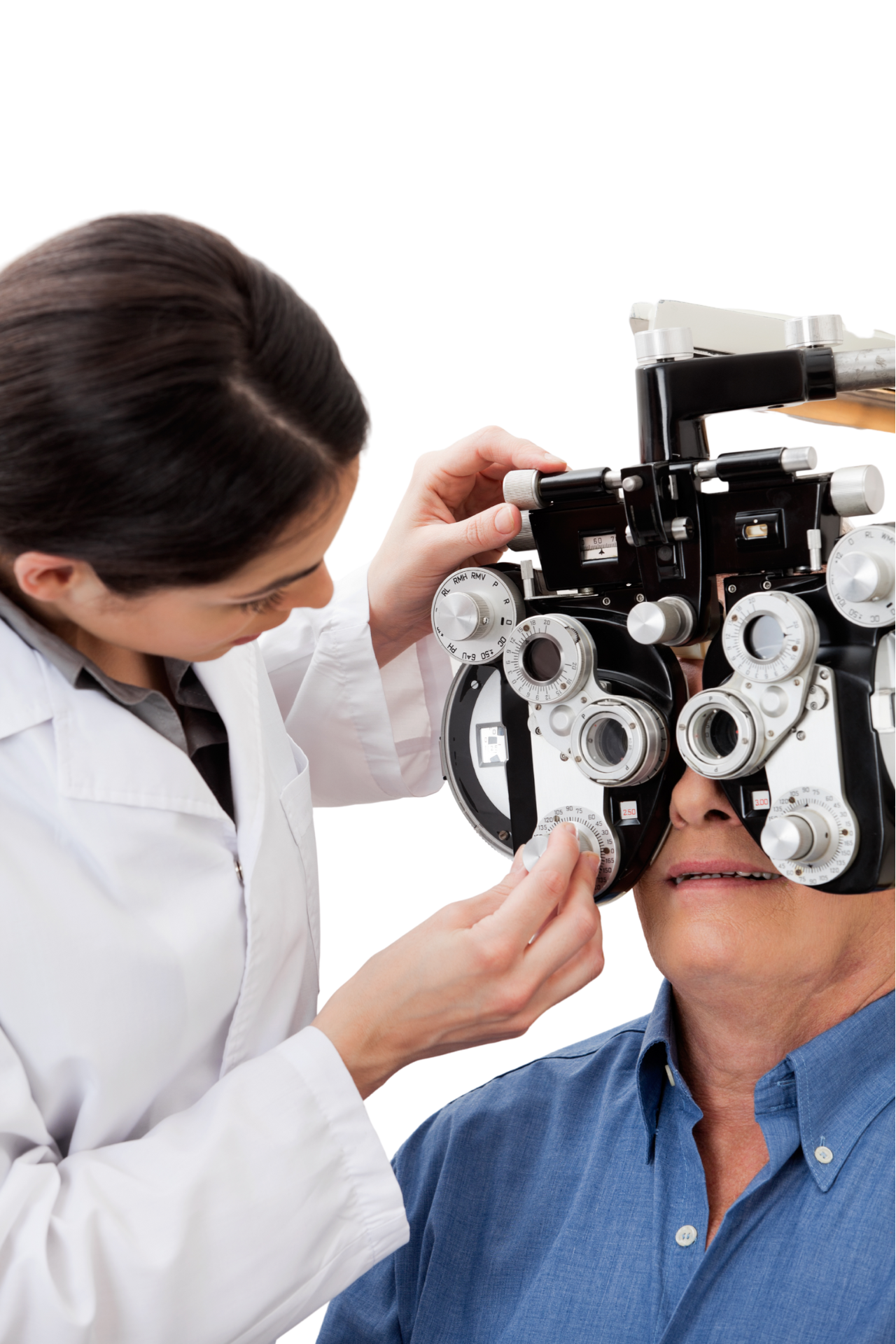
A useful eye hospital should be able to evaluate visual acuity, refraction, eye pressure, the front of the eye and, when indicated, the retina and optic nerve.
Relevant specialist services
A centre offering cataract, glaucoma, paediatric eye care, refractive surgery, cornea and neuro-ophthalmology can reduce the need for fragmented referrals when a problem is more complex than expected.
Diagnostic capability
Accurate treatment decisions depend on diagnosis. For example, corneal mapping and pachymetry may be relevant before refractive surgery, while glaucoma assessment can require pressure measurement, optic-nerve evaluation and visual-field testing.
Clear counselling
Patients should understand what has been found, what treatment is recommended, what alternatives exist, and whether the condition is urgent or can be monitored.
Follow-up accessibility
Eye care is often not a one-visit process. Cataract surgery, glaucoma, paediatric conditions, corneal disease and postoperative care can all require scheduled follow-up.
Eye Care Services Available at Baath Eye Care Centre, Ludhiana
Baath Eye Care Centre’s official website lists a broad range of ophthalmic services at its Ludhiana centre. The following pages are useful if your “eye hospital near me” search is connected to a specific condition.
- Cataract treatment and surgery information: https://baatheyecare.com/cataract-surgery-in-ludhiana/
- LASIK and refractive surgery information: https://baatheyecare.com/lasik-eye-surgery-in-ludhiana/
- Glaucoma clinic information: https://baatheyecare.com/glaucoma-clinic/
- Paediatric eye care information: https://baatheyecare.com/paediatric-eye-care-in-ludhiana/
- Cornea and ocular surface clinic information: https://baatheyecare.com/cornea-ocular-surface-clinic-in-ludhiana/
- Neuro-ophthalmology clinic information: https://baatheyecare.com/neuro-ophthalmology-clinic-in-ludhiana/
Cataract: When a Routine Blur Needs a Surgical Evaluation
Cataract develops when the natural lens of the eye becomes cloudy. It commonly causes progressive blurry or hazy vision, glare, halos around lights, faded colours and difficulty seeing at night. Because cataract symptoms usually progress gradually, patients often adapt to the change and delay an eye examination.
A cataract consultation should answer practical questions: Is the cataract the main reason for reduced vision? Is surgery needed now or can it wait? What type of intraocular lens is appropriate? Are there retinal, corneal or glaucoma-related issues that could affect the final visual result? The goal is not simply to identify a cataract, but to understand how much it is affecting the patient and what else needs to be considered before surgery.
Glaucoma: Why “I Can See Fine” Is Not Always Reassuring
Glaucoma is often called a silent eye disease because common forms can damage the optic nerve without producing obvious early symptoms. Peripheral vision may be affected gradually, so a person can feel that their central vision is normal while damage is developing.
This is why eye-pressure measurement alone is not always enough. Depending on the patient, a glaucoma evaluation may include optic-nerve assessment, visual-field testing and other investigations. People with a family history of glaucoma, advancing age or other risk factors should discuss an appropriate screening schedule with an eye-care professional.
LASIK and Refractive Surgery: The Nearest Option Is Not Automatically the Right Option
Someone searching “LASIK eye hospital near me” is usually looking for freedom from glasses, but suitability is more important than proximity. Laser vision correction is not appropriate for every eye. A proper assessment may include corneal topography, corneal thickness measurement, refraction, tear-film assessment and evaluation of overall eye health.
If LASIK is not suitable, that does not automatically mean there are no options. Depending on age, prescription, corneal characteristics and other clinical factors, an ophthalmologist may discuss alternatives or advise continuing with spectacles or contact lenses. The safest decision is the one based on examination rather than an advertisement.
Children’s Eye Care: When Parents Should Book an Eye Examination
Children often assume that the way they see is normal, so they may not report blurred vision. Parents and teachers may notice the first clues. A child who sits unusually close to the television, struggles to see the board, closes one eye, tilts the head, rubs the eyes frequently or has an eye that turns in or out should be assessed.
Early detection is especially important in amblyopia and some squint-related vision problems because visual development occurs during childhood. A paediatric eye examination is different from simply checking whether a child can read letters on a chart. Depending on age and symptoms, it may include refraction after dilating drops, alignment assessment and evaluation of the front and back of the eye.
Cornea and Ocular Surface Problems: When Redness or Dryness Needs More Than Eye Drops
Dryness, burning, recurrent redness and fluctuating vision are common, but persistent symptoms can have different causes. Contact-lens wear, prolonged screen use, meibomian gland dysfunction, allergy, corneal infection and other ocular-surface conditions can overlap in how they feel.
A corneal examination helps distinguish a minor surface problem from a condition that needs targeted treatment. Pain, light sensitivity, reduced vision, contact-lens-related redness, or a history of injury should raise the threshold for prompt professional assessment.
Neuro-Ophthalmology: When Visual Symptoms May Involve the Nervous System
Some visual complaints sit at the intersection of ophthalmology and neurology. Examples include unexplained vision loss, optic-nerve problems, certain types of double vision, abnormal eye movements or visual-field defects. The aim of a neuro-ophthalmic assessment is to determine whether the problem arises from the eye itself, the optic nerve, the eye-movement system or another part of the visual pathway.
If symptoms are sudden, severe or associated with neurological warning signs, emergency evaluation may be more appropriate than waiting for a routine clinic appointment.
A Simple Decision Guide Before You Search “Eye Hospital Near Me”
Situation | Suggested urgency | What to do |
Sudden vision loss | Urgent / same day | Seek prompt medical assessment. |
Chemical splash | Immediate | Start irrigation immediately and seek emergency eye care. |
Severe eye pain with redness or blurred vision | Urgent | Arrange prompt assessment. |
New flashes/floaters with shadow or curtain | Urgent | Seek a dilated retinal evaluation promptly. |
Gradual blur or glare | Planned appointment | Book a comprehensive eye examination. |
Routine spectacle change | Planned appointment | Schedule refraction plus eye-health screening. |
Child with squint or suspected poor vision | Timely planned appointment | Book paediatric eye assessment. |
Diabetes without current eye symptoms | Preventive / scheduled | Keep regular dilated retinal examinations. |
Glaucoma risk or family history | Preventive / scheduled | Discuss screening and monitoring frequency. |
What to Bring to Your Eye Appointment
- Your current spectacles and contact-lens details, if applicable.
- A list of medicines and relevant medical conditions such as diabetes or hypertension.
- Previous eye reports, surgery records or prescriptions if you have them.
- Details of when the symptoms started and whether they are getting better, worse or fluctuating.
- For children, any school observations or previous vision-screening reports.
- For injury or chemical exposure, information about what entered the eye, if known, without delaying urgent first aid.
Baath Eye Care Centre, Ludhiana: Location and Appointment Information
Ludhiana Centre: 329 CX, Model Town Extension, Model Town, Ludhiana, Punjab 141002
Phone: +91 62 62 62 77 55
Website: https://baatheyecare.com/
OPD hours listed on the official website: Monday to Saturday, 9:00 AM to 6:00 PM.
Contact and appointment page: https://baatheyecare.com/contact-baath-eye-care-centre/
Frequently Asked Questions
1. How do I choose an eye hospital near me in Ludhiana?
Start with the type and urgency of your eye problem. For sudden vision changes, significant injury or severe pain, prioritise prompt medical assessment. For planned care, look for comprehensive examination facilities, relevant specialist services, clear counselling and accessible follow-up.
2. When is an eye problem an emergency?
Sudden loss of vision, chemical injury, penetrating trauma, severe eye pain with vision change, or new flashes and floaters with a curtain-like shadow can require urgent assessment. If symptoms are severe or sudden, do not wait for a routine appointment.
3. Can I visit an eye hospital even if I only need new glasses?
Yes. A spectacle check can be combined with an eye-health examination. This is particularly useful for adults with diabetes, glaucoma risk, recurrent headaches, frequent prescription changes or other symptoms.
4. Should I get cataract checked even if I can still manage daily activities?
Yes, if you notice progressive blur, glare, poor night vision or frequent prescription changes. An examination can confirm whether cataract is the cause and whether it should be monitored or treated.
5. Does glaucoma always cause symptoms?
No. Common forms of glaucoma may not cause noticeable early symptoms. That is why comprehensive eye examinations are important for people with risk factors or a family history of glaucoma.
6. What should be checked before LASIK?
Suitability assessment typically considers refraction, corneal shape and thickness, tear-film health and overall eye condition. The exact testing depends on the patient and the procedure being considered.
7. When should a child see a paediatric eye specialist?
Book an eye examination if a child has squint, head tilt, difficulty seeing the board, frequent eye rubbing, recurrent headaches, abnormal eye movements or suspected poor vision. Routine checks can also help detect problems a child may not report.
8. Is a painful red eye always an infection?
No. Redness and pain can have multiple causes, including corneal, inflammatory, pressure-related and infectious conditions. Severe pain, blurred vision or light sensitivity should be assessed promptly.
9. Can diabetes affect the eyes before I notice any vision problem?
Yes. Diabetic eye disease can develop before a person notices symptoms. Regular dilated retinal examinations are an important part of diabetes care.
10. How can I book an appointment at Baath Eye Care Centre in Ludhiana?
You can call +91 62 62 62 77 55. The Ludhiana centre is at 329 CX, Model Town Extension, Model Town, Ludhiana, Punjab 141002. The official appointment and contact information is available at https://baatheyecare.com/contact-baath-eye-care-centre/.
Conclusion: The Right Eye Hospital Near You Is the One That Matches the Need
Searching “eye hospital near me” is often the first step, but it should not be the last. The most useful decision is based on urgency, the type of eye problem, the availability of appropriate examination and treatment, and the ability to provide follow-up when required.
For patients in Ludhiana, Baath Eye Care Centre offers comprehensive ophthalmic services at its Model Town Extension centre, including cataract, LASIK and refractive care, glaucoma, paediatric eye care, cornea and ocular surface care, squint and neuro-ophthalmology. If your symptoms are sudden or severe, seek prompt medical attention. For routine, preventive or planned care, a comprehensive eye examination can help identify the cause early and guide the next step.