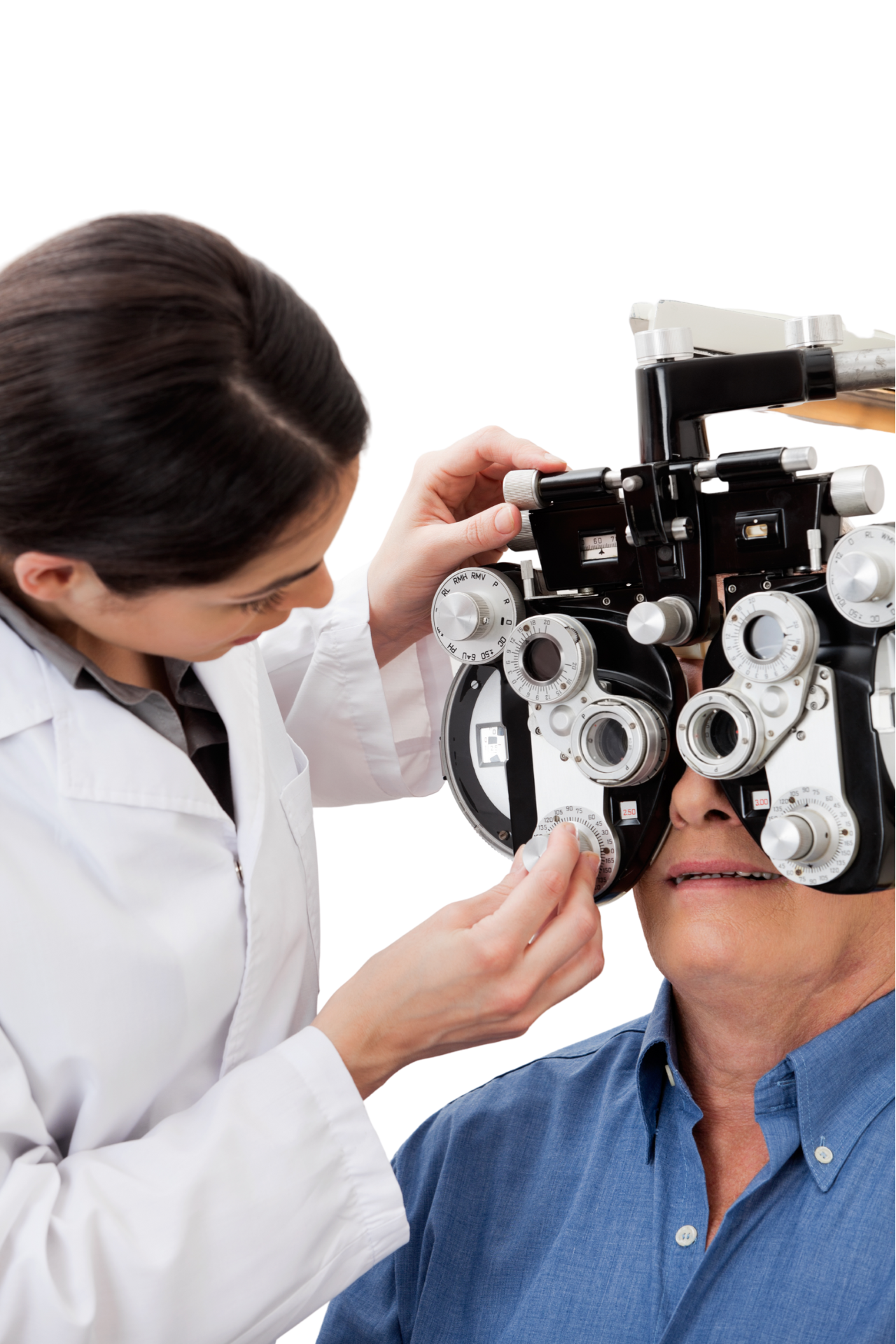
A patient-focused guide to screening, suitability, realistic results and planning the days around laser vision correction.
Thinking about LASIK often starts with an everyday inconvenience: fogged glasses during the monsoon, contact lenses that feel uncomfortable after a long shift, or the frustration of searching for spectacles first thing in the morning. Yet choosing laser vision correction is not simply a matter of selecting an appointment date. The important decision is whether the procedure is appropriate for your eyes, your expectations and your daily routine.
If you are searching for a LASIK hospital in Ludhiana, use this guide as a practical checklist for an informed consultation. It explains the questions worth asking before any surgical decision, what your reports can and cannot tell you, and how to plan for recovery. It is not a substitute for an individual examination by an ophthalmologist.
Why the first question should be “Am I suitable?”
LASIK reshapes the cornea to change how light focuses on the retina. It can reduce dependence on glasses or contact lenses for selected people with myopia, hyperopia or astigmatism. However, the same spectacle power can lead to different recommendations in two people because their corneas, tear film, eye health and lifestyle differ. A careful evaluation must come before any discussion of a surgery date.
For most candidates, doctors look at age, prescription stability, corneal shape and thickness, the degree of refractive error, dry-eye symptoms and general ocular health. The American Academy of Ophthalmology notes that patients should generally be at least 18, with vision more likely to have stabilised after 21. An adult with an unstable prescription or an abnormal cornea may be advised to defer or avoid LASIK.
Baath Eye Care Centre describes LASIK, corneal topography, pachymetry, tear-film assessment and retinal examination on its website. Its existing LASIK service information can be read at https://baatheyecare.com/lasik-eye-surgery-in-ludhiana/. This article focuses on the decisions patients should make using those findings, rather than repeating a procedure overview.
Question 1: Has my spectacle prescription really stabilised?
Bring your spectacle prescriptions from the past one or two years, even if the changes seemed minor. The clinician needs to distinguish genuine stability from fluctuations due to dry eye, contact lens effects, changing blood sugar, hormonal factors or measurement differences. A fresh reading taken at one appointment is not enough to establish a stable trend.
Young adults should be especially careful about assuming that reaching their eighteenth birthday makes them automatically eligible. A changing prescription may leave a patient needing correction again after surgery. If the number is still shifting, a period of observation can be a more responsible choice than immediate treatment.
Question 2: What does my corneal map show?
Your cornea is not merely a transparent window. Its shape and thickness determine whether removing tissue through laser correction is likely to leave a structurally suitable cornea. Corneal topography maps the surface shape; pachymetry measures thickness. Depending on the assessment, additional scans may help the specialist identify subtle abnormalities. This is particularly important because a normal-looking spectacle prescription does not exclude an underlying corneal problem.
Ask your ophthalmologist to explain the map in ordinary language. Is the curvature regular? Are there signs that raise concern for keratoconus or other corneal ectasia? Is the thickness appropriate for the proposed correction and treatment plan? An abnormal scan may change the recommendation entirely. Baath Eye Care Centre lists corneal topography and pachymetry among its diagnostic technologies; see https://baatheyecare.com/cornea-ocular-surface-clinic-in-ludhiana/ for the related cornea service information.
Question 3: Has dry eye been assessed before LASIK?
People who spend long hours on laptops, work in air-conditioned environments or wear contact lenses may experience burning, gritty sensations, fluctuating clarity or watering. These symptoms matter because LASIK can worsen dry eye, sometimes for an extended period. Not every symptom of dryness rules out treatment, but persistent or significant ocular surface disease must be understood and managed before deciding.
A consultation may include discussion of symptoms, eyelid and tear-film examination, and additional tests when needed. Tell the doctor if you use lubricating drops frequently or find that vision clears briefly after blinking. Treating an ocular surface problem first can improve measurement reliability and may change what procedure is suitable.
Question 4: Has the retina and the rest of the eye been checked?
A laser procedure changes the cornea. It does not treat cataract, glaucoma, retinal disease or other causes of poor vision. If you have high myopia, flashes, new floaters, a family history of retinal problems or an existing eye condition, mention this before surgery. The surgeon may recommend a dilated retinal examination or other testing based on your history.
The purpose is to confirm that your reduced vision is actually due to a refractive error and to identify problems that require attention independently of LASIK. A patient may have an accurate spectacle power and still have another condition that affects expected results.
Question 5: Which symptoms could make LASIK inappropriate or require postponement?
Discuss eye infections, unexplained redness, significant allergies, recurrent corneal injuries, severe dryness and any past diagnosis of keratoconus. Uncontrolled systemic conditions or medications affecting healing may also matter. Pregnancy and breastfeeding can be associated with refractive fluctuations; the appropriate timing needs individual assessment.
Be open about your medications and medical history rather than deciding on your own which details are relevant. Deferring a procedure is sometimes the correct outcome of a successful consultation. A responsible LASIK evaluation is intended to identify both the people who may benefit and those for whom another plan is safer.
Question 6: What visual result is realistic for my job and hobbies?
People often use the phrase “remove glasses permanently,” but laser vision correction is not a guarantee of perfect uncorrected sight for the rest of life. Residual power, future prescription changes and age-related near-vision changes may still lead to a need for spectacles. A discussion about expected distance vision should be separate from questions about reading, computer use and night driving.
If you regularly drive after dark, ask about glare, halos and reduced contrast sensitivity. If you work with fine detail or have demanding visual requirements, explain them. A candidate who understands possible compromises can make a better decision than someone who has been promised a specific outcome.
Question 7: Why was this particular correction recommended?
The name of a laser procedure alone should not decide the treatment. Ask what your examination reveals, what correction is being planned and why the clinician recommends that approach for your eyes. An explanation should cover the clinical reasoning, not just the advertised technology.
Baath Eye Care Centre’s refractive surgery page discusses LASIK and other refractive options. It is useful for understanding the difference between general refractive care and a specific treatment recommendation: https://baatheyecare.com/refractive-surgery-in-ludhiana/. Whether LASIK, another refractive procedure or continued spectacles is appropriate must be decided after examination. Do not assume every listed technique is indicated for every patient.
Question 8: What risks should I understand before signing consent?
LASIK has a well-established clinical history, but it is still surgery. Possible effects include temporary or persistent dryness, fluctuating vision, glare, halos, night-vision difficulties and undercorrection or overcorrection. Less common complications include inflammation, infection, flap-related problems and changes that affect visual quality. Rarely, outcomes can be serious.
Ask about risks that are especially relevant to your own scans and health history. You should also understand whether you could still need spectacles, how persistent symptoms are evaluated and what follow-up care is available. The United States Food and Drug Administration advises patients to read the consent information carefully and ensure their questions are answered before proceeding.
Question 9: How should I prepare if I wear contact lenses?
Contact lenses may temporarily alter corneal shape and affect measurements. Your eye-care team may instruct you to stop wearing them for a period before screening and again before surgery. The interval depends on the lens type and your corneal findings, so do not rely on a generic number of days found online.
Tell the team if you use soft lenses, toric lenses, extended-wear lenses or rigid gas-permeable lenses. Ask specifically when to stop wearing them, whether repeat measurements will be needed and whether you should use spectacles in the meantime. Accurate preoperative measurements are more important than rushing to a preferred date.
Question 10: What should I arrange for the day of surgery?
Ask about food, routine medicines, eye makeup, facial creams and other preoperative instructions. Your team may advise avoiding eye cosmetics shortly before the procedure. You should arrange for someone to accompany you and take you home. Do not drive yourself after the procedure or after an examination in which dilating drops affect your vision.
Plan time away from demanding work and avoid scheduling an important exam, overnight journey or physically strenuous event immediately afterward. Your surgeon’s instructions should take precedence over general timelines, particularly if you have another eye condition or the treatment plan changes.
Question 11: What is the actual recovery plan?
Many patients notice useful improvement fairly soon after LASIK, but vision may fluctuate while the surface heals. Dryness, sensitivity to light and mild discomfort can occur. The pace of recovery and when it is appropriate to return to screens, driving, exercise, swimming or eye makeup differs by patient and activity. Some symptoms can persist longer than expected, and visual stabilisation may take months.
Get written instructions covering prescribed drops, how to protect your eyes, when not to rub them and which activities require temporary restriction. Do not discontinue medication because your vision already seems clear. Confirm the postoperative review schedule and whom to contact if you have concerns after office hours.
Severe or increasing pain, sudden deterioration in vision, marked redness or discharge after surgery should be assessed promptly. Do not wait for a routine follow-up appointment if a new or worsening symptom worries you.
Question 12: What exactly is included in the quoted treatment cost?
Rather than comparing a headline price alone, ask for an itemised explanation of the evaluation, proposed procedure, prescribed postoperative medication, scheduled reviews and any additional charges that could arise. Ask whether further treatment, if ever considered, would involve separate fees. Do not assume that an enhancement will be possible or appropriate.
Also confirm cancellation or rescheduling policies and whether your insurance covers any component. Elective refractive procedures may not be covered by many policies. Clear financial information is part of informed decision-making, but price should not override clinical suitability.
A LASIK consultation in Ludhiana: what to bring
A well-prepared visit gives your ophthalmologist a more accurate view of your vision needs. Bring recent spectacle prescriptions, current glasses, a list of medications, previous eye scans or reports, and the details of any past injury or operation. Tell the clinic in advance if you wear contact lenses so you receive the appropriate instructions for accurate testing.
- Write down your daily visual tasks: office work, driving, sports, reading or close-up work.
- Mention dry eye, allergy, headaches, double vision, glare or any fluctuation in clarity.
- Disclose diabetes, autoimmune conditions, pregnancy or breastfeeding, and any medicine that may affect healing.
- Ask for a clear explanation of whether you are suitable, unsuitable or need reassessment later.
- Take time to review informed consent. A decision does not need to be made at the same visit.
It is reasonable to request a copy or explanation of important test findings. If your examination raises uncertainty, ask whether additional diagnostic evaluation or a second opinion would be appropriate. The goal is a recommendation that makes clinical sense for your individual eyes.
A decision checklist: green lights, reasons to reassess and warning signs
Factors that may support a LASIK discussion include an adult with a stable refractive prescription, healthy corneas, suitable measurements, controlled ocular surface symptoms and realistic expectations. None of these features on its own is sufficient to establish eligibility. The complete assessment matters.
Reasons to pause and reassess include a changing prescription, suspicious corneal mapping, significant dry eye, an active eye problem, an untreated condition affecting sight or concerns about healing. An ophthalmologist may recommend treating a condition first, waiting for more stable measurements or choosing a different form of vision correction. A “not now” recommendation can protect your long-term eye health.
Be cautious if you are offered a guaranteed result, asked to choose a technology without discussing risks, or encouraged to proceed without measurements that establish corneal suitability. You should feel comfortable asking questions and taking time to consider the answers.
How to compare a LASIK hospital in Ludhiana without relying on promotional claims
When comparing eye-care providers, focus on the process patients can verify: the qualifications and role of the treating ophthalmologist, the completeness of preoperative assessment, how limitations are explained, whether treatment alternatives are discussed and how postoperative concerns are handled. Technology may support assessment and treatment, but it does not replace patient selection or informed consent.
Baath Eye Care Centre identifies Dr. Jagroop Singh Baath as its medical director and describes LASIK and refractive surgery consultation on its official website. The centre lists corneal topography and pachymetry among its technologies, which are relevant to the evaluation discussed above. The official LASIK service page provides further details: https://baatheyecare.com/lasik-eye-surgery-in-ludhiana/.
For someone in Model Town, Sarabha Nagar, Dugri or another part of Ludhiana, access to repeat appointments and a clear follow-up contact point is a practical consideration. A short trip for a consultation matters less than having a realistic plan for investigations, recovery and ongoing care.
Frequently Asked Questions About LASIK in Ludhiana
1. Can I book LASIK screening while still wearing contact lenses?
Yes, but inform the clinic which lenses you wear before booking. You may need to stop using them for a clinician-specified period so the cornea returns to its usual shape before reliable measurements are obtained.
2. Why might my doctor repeat a corneal scan on a different day?
Repeat scans may help confirm measurement consistency, particularly if contact lens wear, tear-film instability or an unexpected finding has affected the first result. Reliable measurements are essential for deciding suitability.
3. Does a normal eye power mean my cornea is suitable for LASIK?
No. Spectacle power and corneal health are different questions. A person may have a modest refractive error but an abnormal corneal shape or inadequate tissue for the proposed laser correction.
4. What if I use lubricating eye drops every day?
Daily drop use should be discussed during screening. It may indicate dry eye or another ocular surface issue that needs assessment and treatment before LASIK is considered.
5. Can I have LASIK if I work long hours at a computer?
Computer work alone does not determine eligibility. However, prolonged screen use may worsen dryness, so describe your symptoms and work requirements. Your clinician can discuss eye comfort and a realistic return-to-work plan.
6. Can LASIK remove the need for reading glasses after the age of 40?
LASIK does not stop presbyopia, the natural age-related reduction in near focusing ability. People approaching or over 40 should ask specifically how their distance and near vision might change and what glasses may still be needed.
7. What should I ask about night driving after LASIK?
Discuss your current night vision, pupil findings where relevant, and the possibility of glare, halos or reduced contrast sensitivity. The doctor should explain risks in the context of your examination and driving needs.
8. If I am declined for LASIK, does that mean no vision correction is possible?
Not necessarily. Depending on the reason, spectacles, contact lenses or another clinically suitable approach may be discussed. Some conditions require treatment or observation first. Alternatives are not suitable for everyone.
9. Should I stop medicines before a LASIK consultation?
Do not stop prescribed medication without medical advice. Bring a full list of medicines and supplements and explain any medical conditions so the treating clinician can advise on possible effects on healing or eligibility.
10. Can I travel out of Ludhiana immediately after LASIK?
Travel plans should be discussed before scheduling. You need transportation after the procedure and must be available for advised postoperative reviews. The safety of travel depends on symptoms, recovery and the specific plan from your surgeon.
Book a LASIK suitability assessment at Baath Eye Care Centre
If you are exploring a LASIK hospital in Ludhiana, start with an assessment of suitability rather than a promise about spectacles. Baath Eye Care Centre offers LASIK and refractive surgery consultations at 329 CX, Model Town Extension, Model Town, Ludhiana, Punjab 141002. For appointment details, call +91 62 62 62 77 55 or use the official website: https://baatheyecare.com/. Contact details and appointment information are also provided at https://baatheyecare.com/contact-baath-eye-care-centre/.
Your consultation is an opportunity to understand your measurements, consider the risks and alternatives, and decide whether laser vision correction fits your needs. A recommendation made after careful screening is more valuable than a rushed decision based on a single treatment claim.
Conclusion: make the decision about your eyes, not just your glasses
LASIK can reduce spectacle dependence for appropriately selected patients, but suitability is individual. Before scheduling surgery, ask about prescription stability, corneal mapping, dry eye, retinal health, expected visual quality, potential complications, recovery instructions and the full treatment plan. Choose a conversation in which your questions are welcomed and your clinical findings are explained clearly. That is the starting point for an informed refractive surgery decision in Ludhiana.