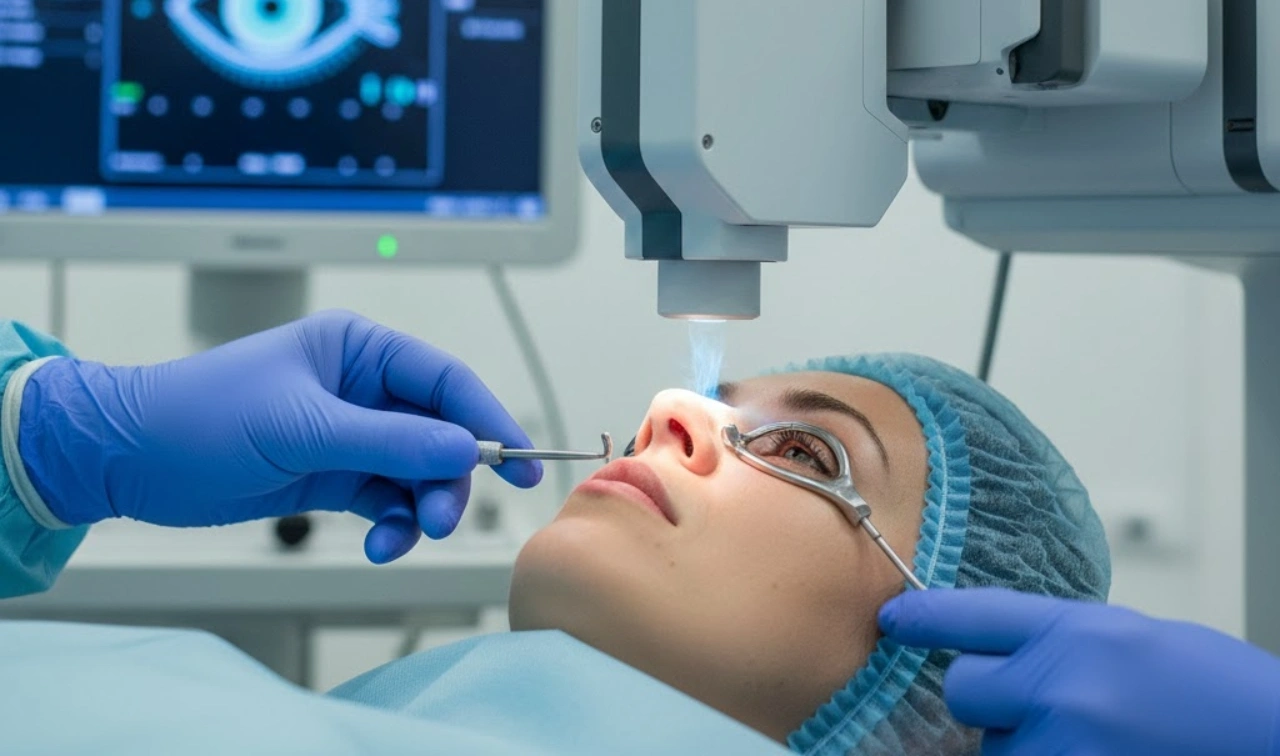
Oculoplasty focuses on treating issues with the eyelids, tear ducts, and eye socket. These treatments help restore normal eye function and can also improve facial appearance.
Many people choose experienced specialists at trusted centers like the Best Eye Hospital in Punjab to make sure they get safe and effective care.
What Is Oculoplasty?
Oculoplasty, also known as oculoplastic surgery, is a procedure that addresses both medical and cosmetic issues related to the eyes. It can help with eyelid position, tear drainage, and the surrounding areas.
The main aim is to improve comfort, vision, and appearance using careful, minimally invasive methods.
Types of Oculoplasty Procedures
1. Eyelid Surgery (Blepharoplasty)
Blepharoplasty is a procedure that removes extra skin or fat from the eyelids. It helps fix droopy eyelids and can improve both vision and appearance.
2. Ptosis Correction
Ptosis happens when your upper eyelid droops lower than usual. Ptosis surgery aims to raise the eyelid, helping you see clearly and look natural again.
3. Tear Duct (Lacrimal) Surgery
When tear ducts are blocked, your eyes water and can become painful. Lacrimal surgery helps by opening the tear pathway so tears drain as they should.
4. Orbital Surgery
These procedures treat broken bones, tumors, injuries, and thyroid eye disease. Orbital surgery also corrects deformities and helps protect the eye.
5. Aesthetic & Reconstructive Procedures
Botox, fillers, and reconstructive surgery can reduce wrinkles, even out skin, or address changes from injuries. These options help your face look more balanced and can make you feel more confident.
Who Needs Oculoplasty?
Oculoplasty can be needed for medical or cosmetic reasons. Good candidates often have:
- Eyelids that droop or sag
- Watery eyes or blocked tear ducts
- Injuries to the eye or face
- Thyroid-related eye problems
- Tumors or infections around the eye socket
- Changes around the eyes that come with age
- Cosmetic issues like puffiness or wrinkles
Signs You Should Consider Oculoplasty
Some signs clearly show that you need to see a doctor:
- You have trouble keeping your eyelids open
- Your eyes are often watery
- Your eyelids turn inward or outward
- Your eyes look bulging or sunken
- You have ongoing swelling or irritation
- You notice changes or deformities in your eyelids
These signs often get worse over time, so it’s best to see a doctor early.
Benefits of Oculoplastic Surgery
Oculoplasty offers many improvements for both function and appearance:
- You may notice your vision becomes clearer
- Your eyelids will be positioned more naturally
- You can experience relief from constant tearing
- Your facial symmetry may improve
- You may feel more confident and notice an enhanced appearance
- The procedure can provide long-term correction for structural issues
How Oculoplasty Procedures Work
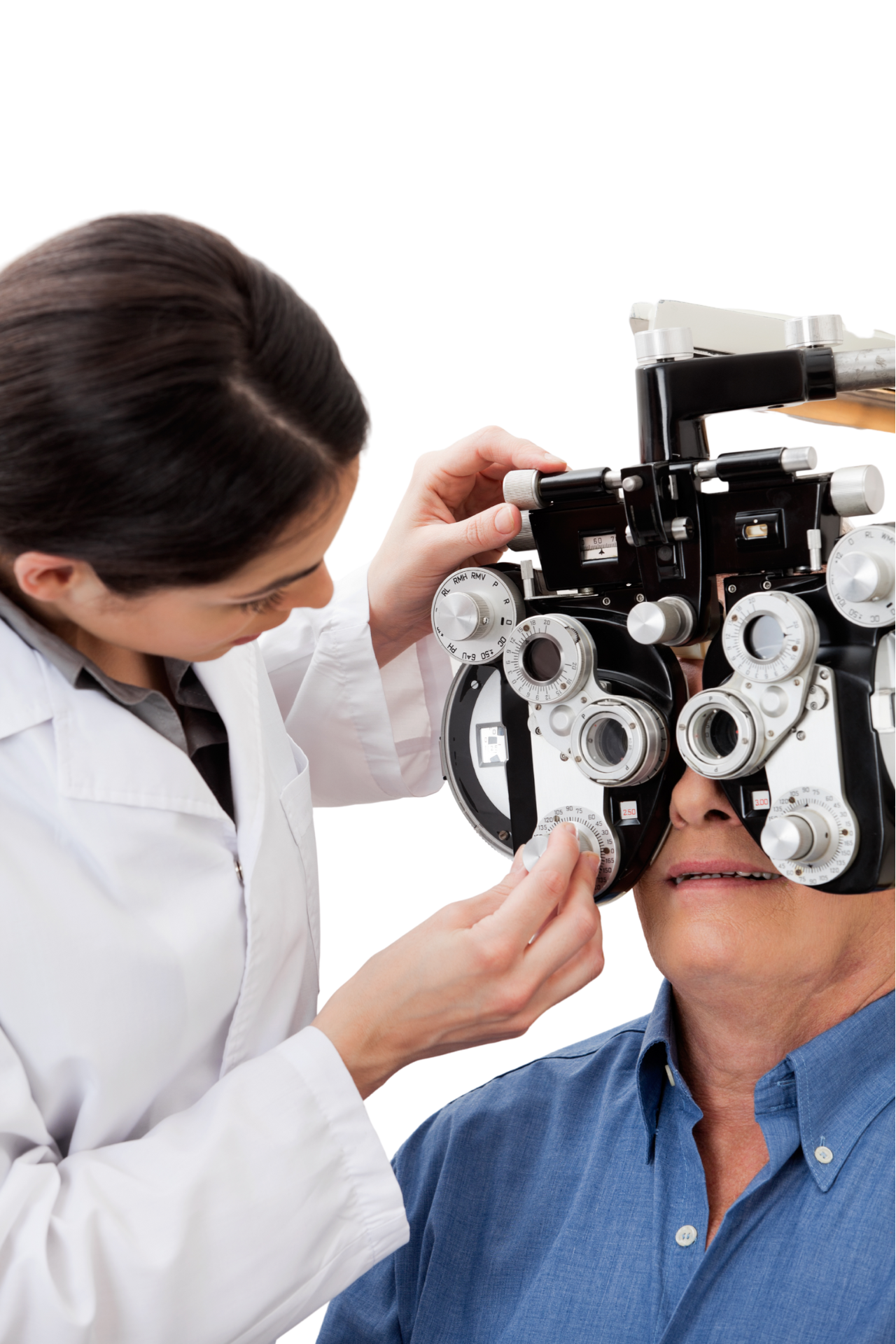
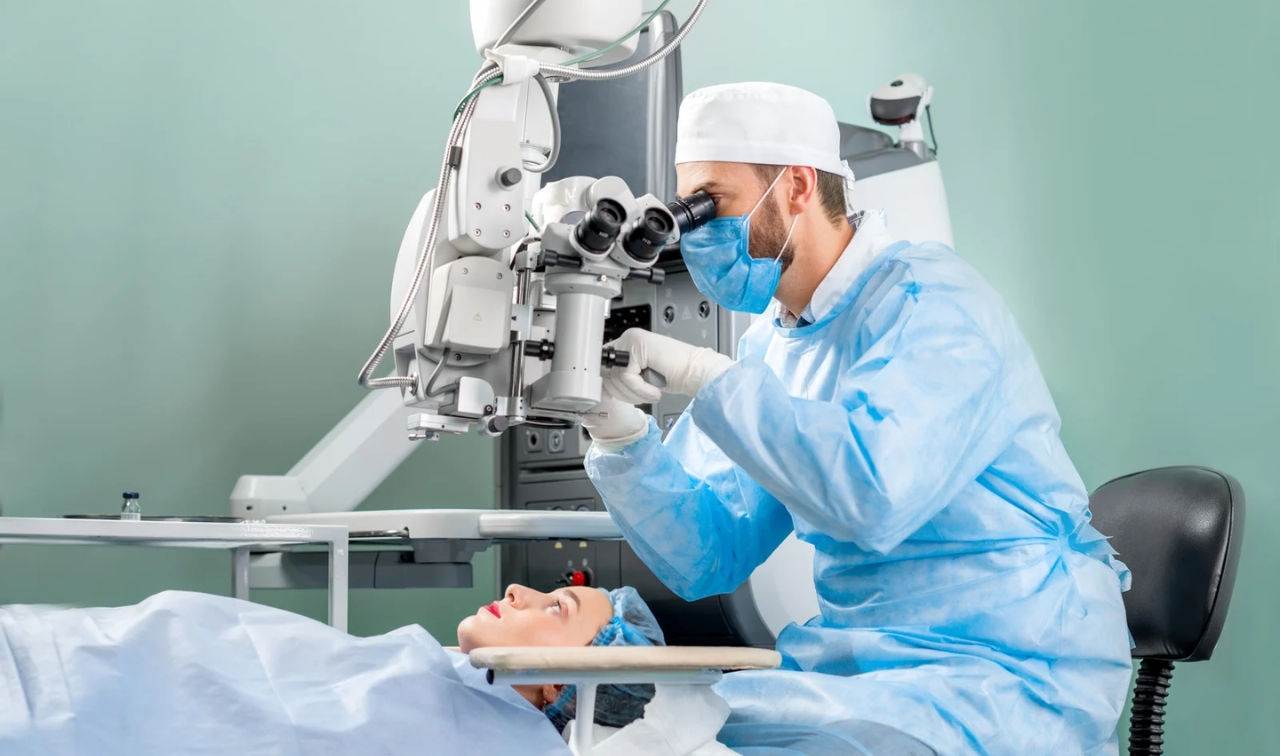
An oculoplasty specialist will begin with a careful exam and might recommend imaging or tear duct tests. Most procedures use only a small amount of anesthesia and are not very invasive.
Patients can usually go home the same day, and the surgical methods are planned to keep everything safe and on track.
Recovery and Aftercare
How you recover will depend on the procedure, but most people do well. You may notice some swelling or bruising for a few days. Most doctors recommend:
- Try not to do any heavy activities.
- Use the drops or ointments your doctor prescribed.
- Keep the area clean.
- Wear sunglasses when you go outside.
- Sleep with your head slightly raised.
By following these steps, you can heal well and achieve natural-looking results.
Risks and Considerations
Oculoplasty is safe when done by a trained professional. Some possible risks are temporary bruising, dryness, or mild pain. Picking a surgeon with lots of experience, like those at the Best Eye Hospital in Punjab, can lower the chance of complications.
Conclusion
Oculoplasty offers a safe treatment for issues with the eyelids, tear ducts, and the area around the eyes.
If you often experience tearing, droopy eyelids, or eye pain, meeting with an oculoplasty specialist can help you find the right treatment. Getting checked early can lead to better results and improve your quality of life.
FAQs
1. Is oculoplasty painful?
Most patients do not feel much pain since local anesthesia is used. It is normal to feel a little sore afterward, but this usually goes away soon.
2. How long does recovery take?
Most people return to their usual routines within a week. However, full recovery can take a few weeks, depending on the type of procedure.
3. Is oculoplasty only for cosmetic concerns?
No. Many oculoplasty procedures are done to treat medical issues like blocked vision, tear duct problems, and eyelid malposition.