Millions of people have refractive errors like myopia, hyperopia, and astigmatism, which makes it hard to see clearly.
Many people today would rather have long-term vision correction solutions than glasses and contact lenses. This is where refractive eye surgeries come in. They are a safe and effective way to get clearer vision without glasses.
What Are Refractive Eye Surgeries?
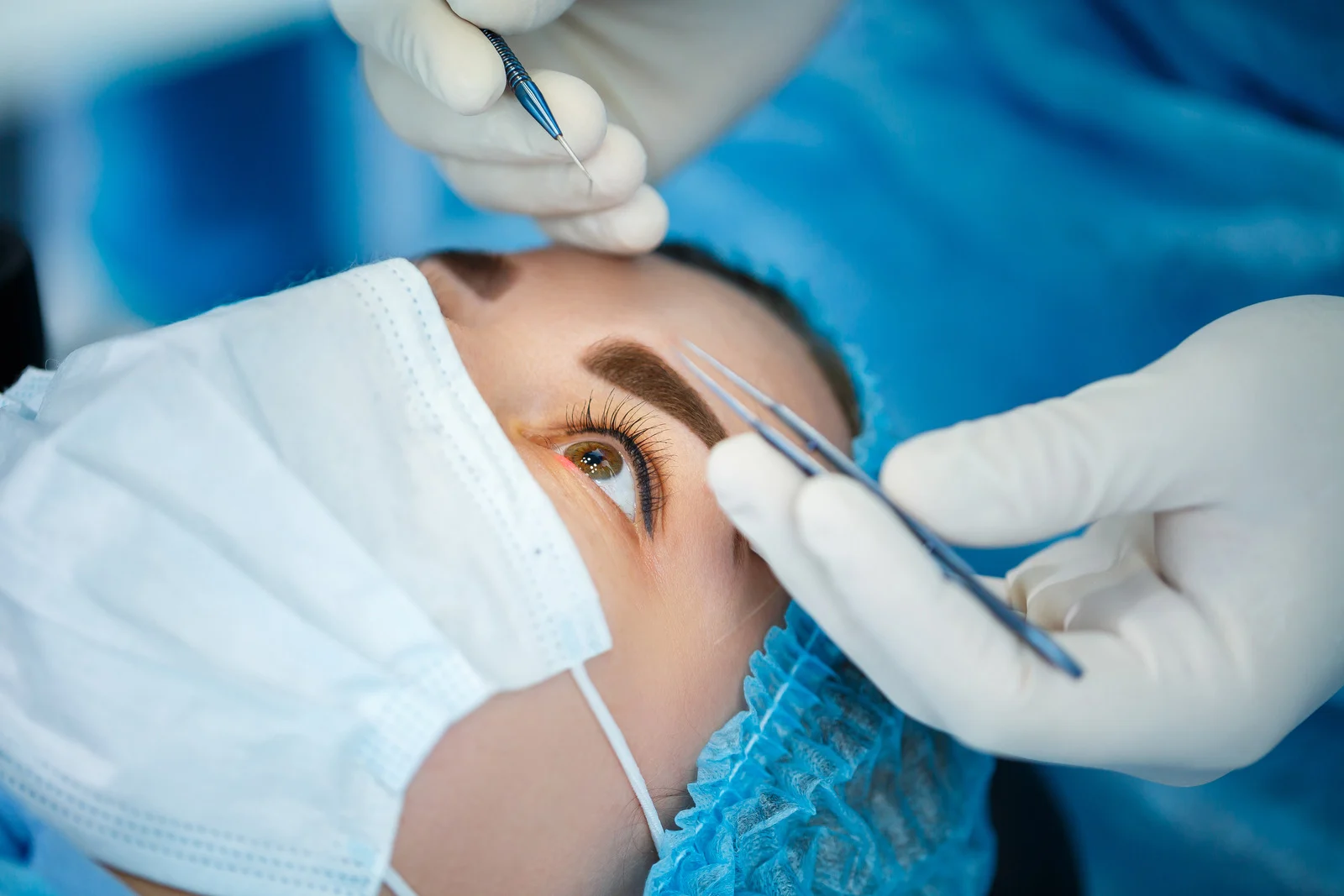
Refractive surgeries change the shape of the cornea so that light that enters the eye focusses correctly on the retina. These surgeries fix the optical problem, which means that you may not need glasses at all or only need them very rarely.
Benefits include:
- Better vision without having to wear glasses all the time
- Quick and easy procedures
- Results that last and recovery that is faster
These things make laser eye surgery a popular choice for many adults who need surgery to fix their vision.
Different Types of Refractive Eye Surgeries
1. LASIK (Laser-Assisted in Situ Keratomileusis)
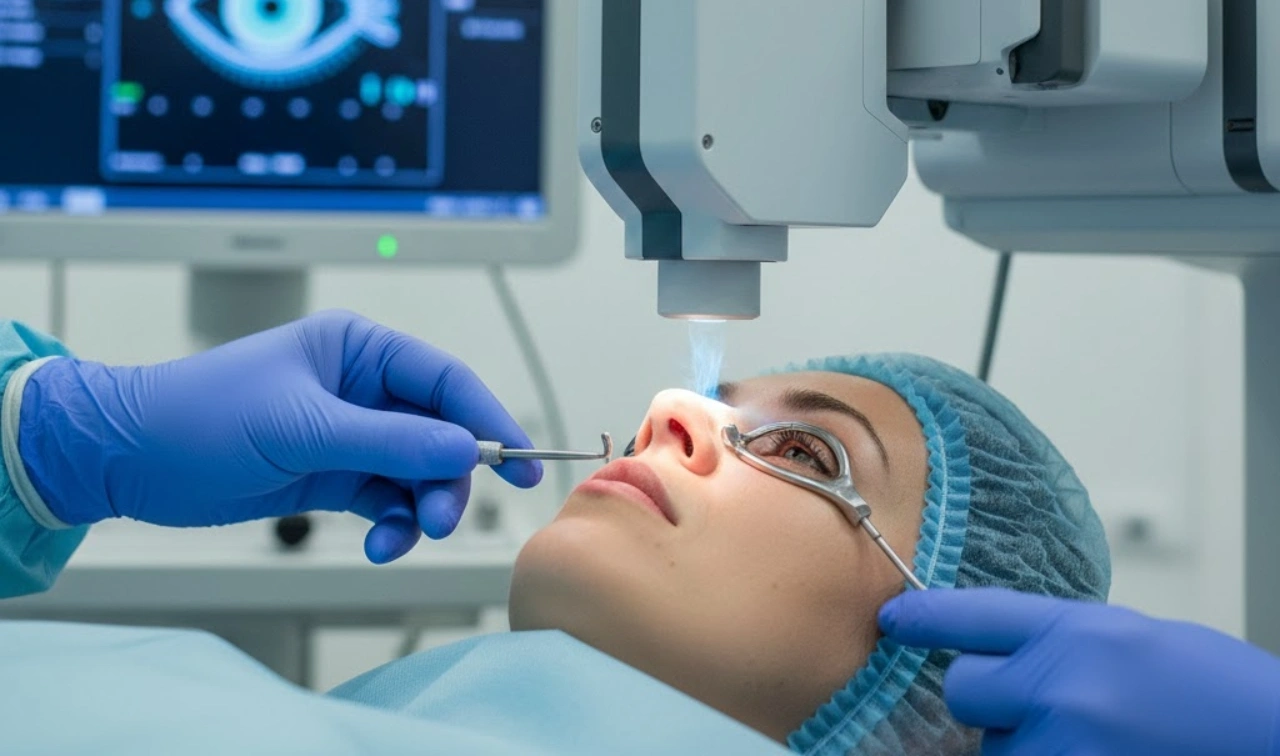
LASIK is one of the most common laser eye surgeries done around the world. An excimer laser makes and reshapes a thin flap of cornea.
Main benefits: quick procedure, quick recovery, and little pain.
It works well for people with mild to moderate nearsightedness, farsightedness, and astigmatism.
2. PRK (Photorefractive Keratectomy)
PRK is a laser procedure that works on the surface of the eye and doesn’t make a flap in the cornea. It is best for people with thin corneas or those who do things where flap-related injuries could happen.
PRK takes a little longer to heal than LASIK, but the results are just as stable.
3. SMILE (Small Incision Lenticule Extraction)
SMILE is a flapless, minimally invasive technology that makes and removes a small lenticule through a small cut. It works for both nearsightedness and astigmatism, and it often makes dry eyes less common.
Many patients like SMILE because it is comfortable and heals quickly.
4. ICL (Implantable Collamer Lens)
ICL is a procedure in which a biocompatible lens is placed inside the eye without taking out the natural lens.
People with high refractive errors or corneas that aren’t good for laser procedures should use it. The process can be undone and gives you great vision.
5. Refractive Lens Exchange (RLE)
RLE is like cataract surgery in that it replaces the natural lens of the eye with an artificial intraocular lens.
People over 40 who have presbyopia or early signs of cataracts are the best candidates for this procedure.
Eligibility Criteria for Refractive Eye Surgeries
General Requirements
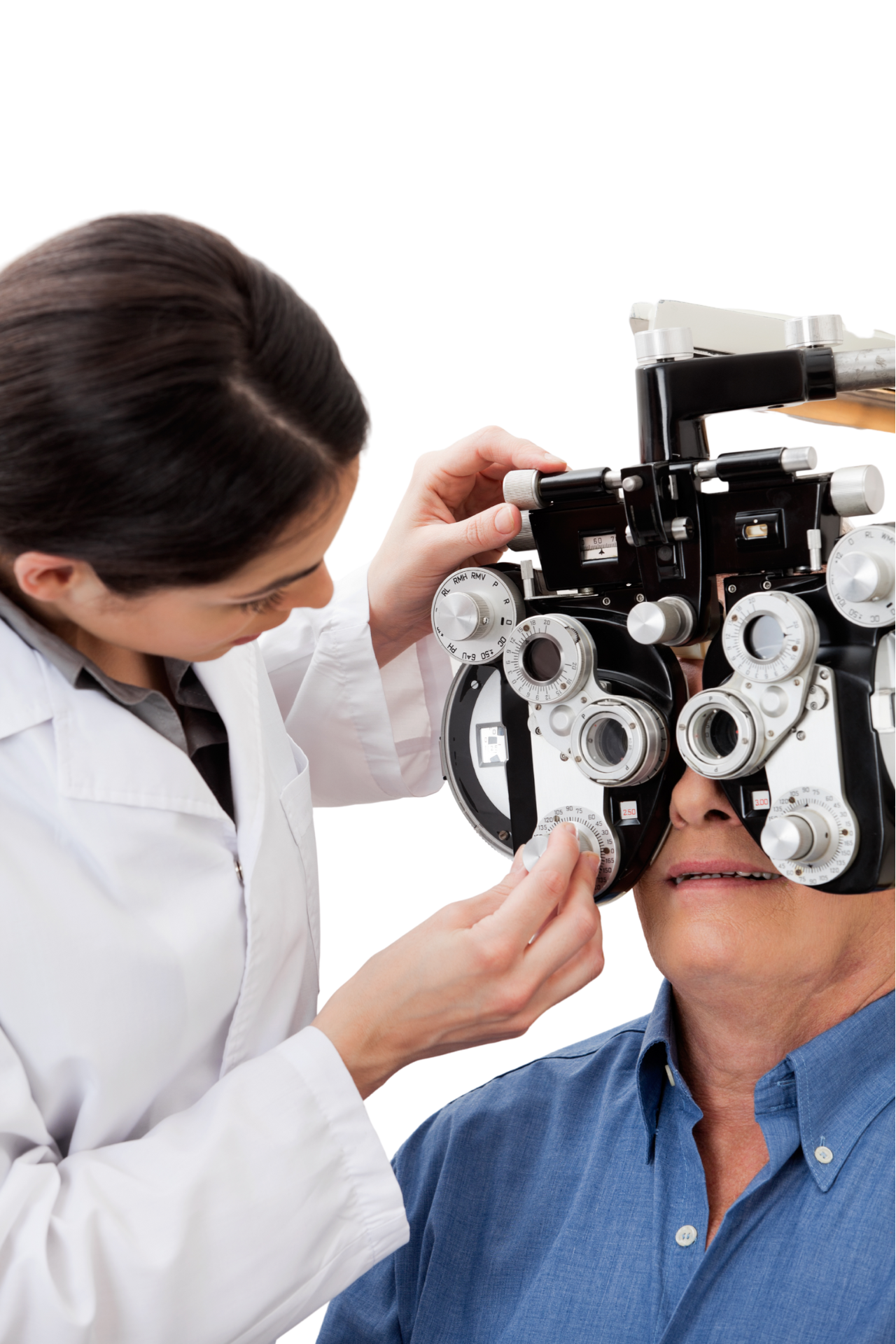
To qualify for Refractive Eye Surgeries, your eye specialist typically checks for:
- 18 years old or older
- Eye prescription that stays the same for at least 12 months
- Cornea and retina that are healthy
- No active eye infections or severe dry-eye syndrome.
These things help figure out if surgery to fix vision will be safe and work.
Procedure-Specific Eligibility
- LASIK: The cornea must be thick enough and the refractive errors must be mild to moderate.
- PRK: It is good for people with thin corneas or who work in physically demanding jobs like sports or the military.
- SMILE: Best for people who have mild myopia or astigmatism.
- ICL: Good for people with high-power glasses or corneas that aren’t shaped right for laser surgery.
- RLE: Best for people over 40 who have presbyopia or early cataracts.
Who Should Avoid Refractive Eye Surgery?
Not everyone is an ideal candidate. If you have any of the following, you may need to put off or skip surgery:
- Diseases that attack the immune system
- Diabetes that isn’t under control
- Being pregnant or breastfeeding
- Severe keratoconus or irregularities in the cornea
A thorough exam at an eye care centre, whether it’s in your city or at a place called the Best Eye Hospital in Ludhiana or somewhere else, makes sure that you get safe and personalised advice.
Risks and Considerations
Some temporary side effects may happen even though modern technologies have made refractive eye surgery very safe:
- Dryness
- Light sensitivity
- Glare or halos, especially at night
Usually, these problems get better with medication and follow-up care. It is very important to choose an experienced ophthalmologist to lower risks and get the best results.
Conclusion
Refractive eye surgeries have changed the way people fix vision problems by getting rid of the need for glasses and contact lenses.
There are many different types of surgeries, like LASIK, PRK, SMILE, ICL, and RLE, and each has its own benefits. The best choice for you will depend on your age, eye power, corneal health, and lifestyle needs.
To make sure you choose the safest and most effective treatment for long-term visual clarity, you should see an eye specialist for a full evaluation.