Strabismus or squint is the inability of the eyes to point in one direction. One eye could be turned in the direction of the other, in, out, up or down, and the other makes the correct focus.
This distortion would impact the vision, depth perception, and in most instances, it would interfere with the confidence of the individual.
Early diagnosis, in particular with children, is crucial as prompt treatment will help to avoid the development of visual impairment in the long term and healthy development of the eyes.
What Is Squint and Why Does It Occur?
A squint is not only a cosmetic problem, but a disorder associated with the functioning of the eye muscles and the brain in its control.
Common types include:
- Esotropia: Eye turns inward
- Exotropia: Eye turns outward
- Hypertropia: Eye turns upward
- Hypotropia: Eye turns downward
Common Causes
- Weak or strong eye muscles.
- High hyperopia and other refractive errors.
- Childhood developmental problems.
- Nerve-related problems
- Eye or head injuries
- Health problems such as thyroid eye disease or cerebral palsy
There are those squints born and some developed later. In every situation, adequate examination by an Eye specialist in Ludhiana or a qualified ophthalmologist assists in the diagnosis and management.
When Is Squint Correction Surgery Needed?
Treatment of squints may take the form of glasses, patching, or vision therapy. Squint Correction Surgery is necessitated in certain cases though. It is generally advised in cases where:
- Alignment is not enhanced by non-surgical interventions.
- The child is also experiencing a lot of eye turning.
- Daily activities are impaired because of double vision (diplopia).
- There is a lack of depth perception.
- Misalignment leads to social interactions or trust.
- The squint is suddenly acquired as a result of injury or nerve problem.
In children, early surgery may assist the brain to build up appropriate binocular vision. Even adults can benefit in case the squint is uncomfortable or affects the quality of life.
How Squint Correction Surgery Is Performed
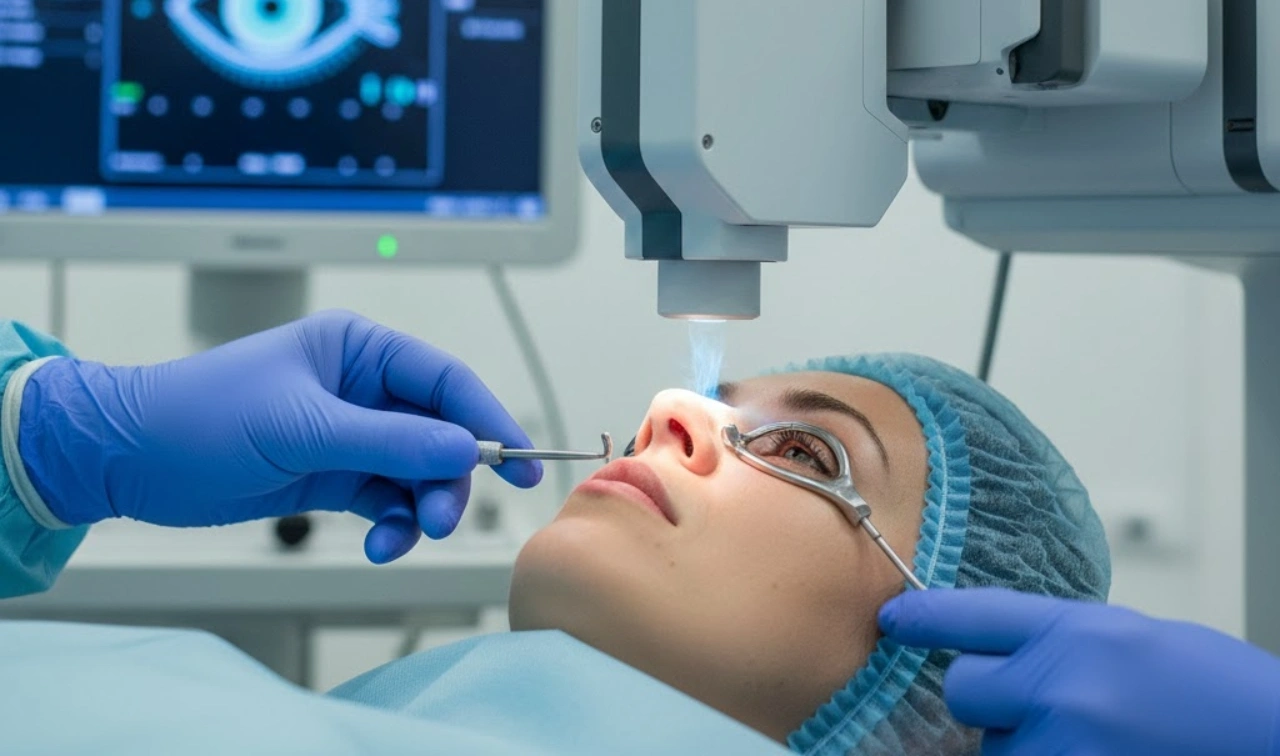
Squint Correction Surgery is concerned with correcting the muscle in the eye that moves the eye. This is aimed at regaining the balance and enhancing the coordination of the two eyes.
What the Procedure Involves
- Surgeons may tighten a weak muscle or loosen an overactive one.
- It is done under general or local anaesthesia depending on the age of the patient during surgery.
- The process normally takes between 30 and 60 minutes.
- No incisions are made on the skin, it is operated on the eye muscles.
Recovery Expectations
- The first few days are normal with mild redness and discomfort.
- Ointments or eye drops are useful in healing.
- A majority start going back to normal routine within a week.
- The alignment is guaranteed by follow-up appointments.
- More therapy or vision exercises can be prescribed in other cases.
Who Needs Squint Surgery?
This procedure may be suggested for:
- Children who do not align with glasses or therapy.
- Adults who have squint due to nerve, trauma or childhood strabismus.
- Individuals with doubled vision.
- Any person desiring a better eye positioning either by functionality or aesthetic appearance.
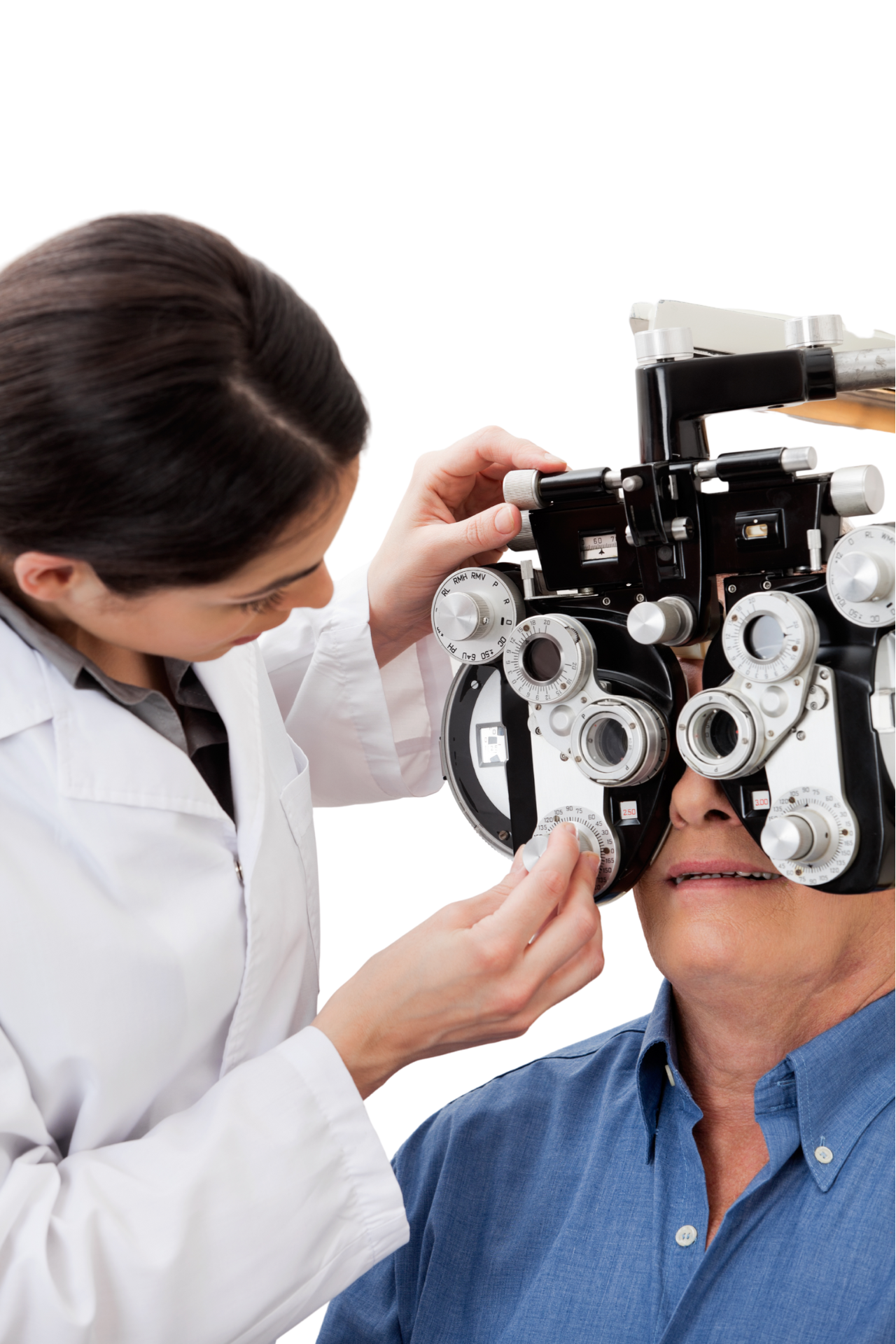
A good assessment in a reputable eye clinic or the best eye hospital in Ludhiana can be used to establish whether surgery is the correct choice.
Benefits of Squint Surgery
The advantages go beyond appearance:
- Better eye alignment
- Improved binocular vision
- Improvement or removal of a second image.
- Enhanced depth perception
- Good influence on socialization and trust.
- Improved eye coordination among children.
Such advantages usually result in major changes in everyday life particularly among children in school and adults in work and social places.
Risks and Myths About Squint Surgery
Although the operation is relatively safe, there are certain misconceptions that can be confusing.
Common Myths
“Squint surgery is only cosmetic.”
– Incorrect. It also improves vision and eye coordination.
“The squint always comes back.”
– Not true for most cases when treated correctly.
“Adults cannot get squint surgery.”
– Adults can benefit significantly, especially when double vision is involved.
Possible Risks
- Temporary redness
- Mild discomfort
- Rare chances of overcorrection or undercorrection
A proper evaluation helps minimize risks and ensures realistic expectations.
Post-Surgery Care Tips
To support smooth healing:
- Take eye drops as prescribed
- Avoid rubbing the eyes
- Restrict swimming or dust exposure over a few weeks
- Attend all follow-up visits
- Adhere to any prescribed vision therapy programs
The steps are beneficial in keeping the steps aligned, and also aid in visual improvement over time.
When to Consult an Eye Specialist
You should seek expert advice if:
- The eyes of a child seem out of place very often
- In an adult, there is sudden squint development
- Dual vision disrupts normal working
- Squint has a family history
- Eye or headaches are frequent
Early assessment is useful in preventing complications and effective treatment.
Conclusion
Squint is a widespread disorder that can be treated. Children and adults alike can have the benefit of better eye alignment and vision with the right treatment approach and timely diagnosis including correction of Squint Surgery.
In case you observe that you have a squint, the next best thing to do is to visit a qualified eye practitioner and be guaranteed clarity and confidence.