Introduction
Amblyopia, commonly known as lazy eye, is a condition that primarily affects children, although it can persist into adulthood if not treated early. It occurs when one eye becomes weaker than the other, often due to the brain favoring the stronger eye. If ignored, this condition can lead to permanent vision problems. At Baath Eye Care Centre, under the expert guidance of Dr. Jagroop Singh Baath—renowned PHACO & LASIK surgeon and ex-consultant at the prestigious LV Prasad Eye Institute—cutting-edge techniques and personalized care plans are implemented to diagnose and treat amblyopia effectively. With his extensive experience in pediatric ophthalmology and his commitment to early intervention, Dr. Baath provides valuable insights and effective treatment strategies that have transformed the lives of many young patients.
What is Amblyopia and How Does it Affect Vision?
Amblyopia develops when the brain and one of the eyes do not communicate properly, leading the brain to favor the other, stronger eye. Even if the weaker eye appears normal, the brain gradually starts ignoring it, resulting in decreased vision. Over time, this lack of coordination and use can lead to irreversible vision loss in the underused eye.
Dr. Baath explains that amblyopia is often a silent condition in its early stages. “Children may not be aware of their vision problem because the stronger eye compensates well,” he notes. This makes early detection all the more important. Through detailed eye exams and visual screening techniques developed through years of pediatric ophthalmology experience, Dr. Baath identifies signs that parents and general practitioners may miss.
Common Causes of Amblyopia in Children
Amblyopia can arise due to several underlying issues. The most common causes include:
Strabismus (Crossed Eyes): Misalignment of the eyes, where one eye may drift inward or outward.
Refractive Errors: Unequal refractive errors between the two eyes, such as one being more nearsighted or farsighted.
Cataracts: Clouding of the lens in one eye can obstruct light and blur vision, especially in infants.
Ptosis: Drooping of the upper eyelid that can block vision in one eye.
According to Dr. Baath, “Each child is different. The key lies in identifying the exact cause, which allows us to tailor the treatment for best results.”
Recognizing the Signs of Amblyopia
Recognizing amblyopia early is crucial to prevent long-term vision loss. Some of the most common signs include:
- Blurred or unclear vision in one eye
- Frequent squinting or head tilting
- One eye that wanders or appears misaligned
- Difficulty with depth perception or judging distances
Dr. Baath emphasizes the importance of routine eye screenings, especially before the age of 5. “The earlier the intervention, the greater the chance of complete visual recovery,” he says.
Diagnostic Process at Baath Eye Care
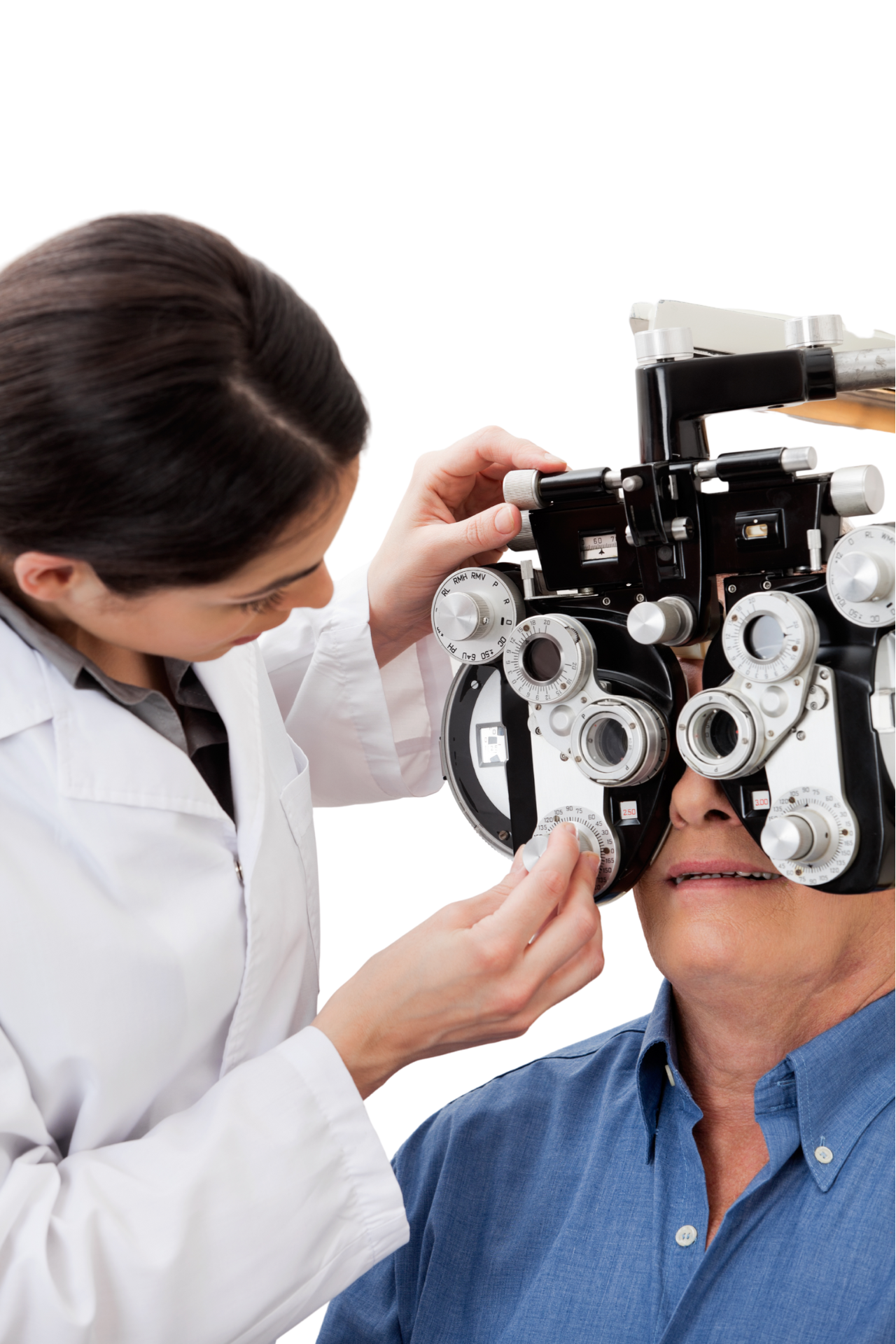
Diagnosing amblyopia involves several comprehensive tests, all of which are available at Baath Eye Care Centre. These include:
- Visual Acuity Test to assess how clearly each eye sees
- Cover Test to detect strabismus or other alignment issues
- Refraction Assessment to determine the need for corrective lenses
- Ophthalmic Evaluation to check for cataracts or drooping eyelids
Dr. Baath uses a patient-friendly approach, especially with younger children, ensuring a calm and supportive environment throughout the diagnostic process.
Expert Treatment Options for Amblyopia
Once diagnosed, amblyopia treatment is focused on strengthening the weaker eye. Treatment strategies may include:
- Prescription Glasses or Contact Lenses: To correct refractive errors and improve vision in the lazy eye.
- Patching Therapy: Covering the stronger eye with a patch to stimulate use of the weaker eye.
- Atropine Drops: Blurring the vision in the stronger eye to encourage the use of the amblyopic eye.
- Vision Therapy: A series of exercises designed to improve coordination and visual skills.
- Surgical Intervention: In cases involving strabismus or cataracts, surgery may be necessary to correct the underlying cause.
Dr. Baath’s depth of experience, particularly from his time at LV Prasad Eye Institute, allows him to approach each treatment plan with precision and confidence. His surgical expertise is especially critical in complex pediatric cases.
Success Rates and Importance of Early Intervention
Treatment is most effective when initiated early. In fact, children treated before the age of 8 have a significantly higher chance of full recovery. “Vision development is most flexible in early childhood. This is why timely diagnosis and treatment are so crucial,” says Dr. Baath.
Adults can also benefit from treatment, although results may be slower and not always complete. Still, Dr. Baath encourages everyone showing symptoms to seek medical attention—“It’s never too late to start treatment,” he affirms.
Lifestyle Changes and Supportive Strategies
In addition to medical treatment, lifestyle changes can support vision development:
- Engaging in eye exercises at home, as recommended by your doctor
- Ensuring a nutrient-rich diet to support eye health
- Limiting screen time and encouraging outdoor play
- Regular follow-up visits for monitoring and adjustments
Baath Eye Care provides families with detailed guidance and ongoing support through every step of the recovery process.
Why Choose Dr. Jagroop Baath for Amblyopia Treatment?
With over 25 years of experience and a legacy of excellence in eye care, Dr. Jagroop Singh Baath stands out as a leader in pediatric ophthalmology. His training from LV Prasad Eye Institute and specialization in PHACO and LASIK surgeries further complement his expertise in treating amblyopia. He combines technical skill with compassionate care, ensuring that each child receives the best possible outcome.
Patients across Punjab and surrounding regions trust Dr. Baath for his thorough evaluations, advanced diagnostic tools, and customized treatment protocols. His work has helped countless children regain their sight and confidence, making him one of the most respected names in eye health today.
Conclusion
Amblyopia is a common but treatable condition that, if caught early, can be reversed with effective care. Dr. Jagroop Baath’s extensive experience, coupled with state-of-the-art facilities at Baath Eye Care Centre, offers patients a reliable path to recovery. Parents are encouraged to bring their children for routine eye exams and seek help at the first sign of vision problems.
With expert-led diagnosis, customized treatment plans, and a child-friendly environment, Baath Eye Care is your trusted partner in pediatric eye health.
Book a consultation today and give your child the gift of clear vision.
Explore More Children’s Eye Care & Vision Resources
Amblyopia, commonly known as lazy eye, can affect a child’s vision development if left untreated. Explore expert articles on childhood vision problems, squint correction, myopia detection, and comprehensive eye care.
Common Vision Problems in Children
Learn about the most common eye conditions affecting children’s eyesight.
Early Myopia Detection in Children’s Vision
Discover why early detection of myopia is important for lifelong eye health.
Squint Correction Surgery
Understand how squint treatment can improve eye alignment and visual development.
Advanced Squint Eye Surgery Correction
Explore modern surgical techniques for treating squint and binocular vision problems.
Regular Eye Check-Up for Healthy Vision
Routine eye examinations help identify amblyopia and other vision issues early.
Best Eye Hospital in Ludhiana
Discover specialized pediatric eye care and advanced treatment solutions.