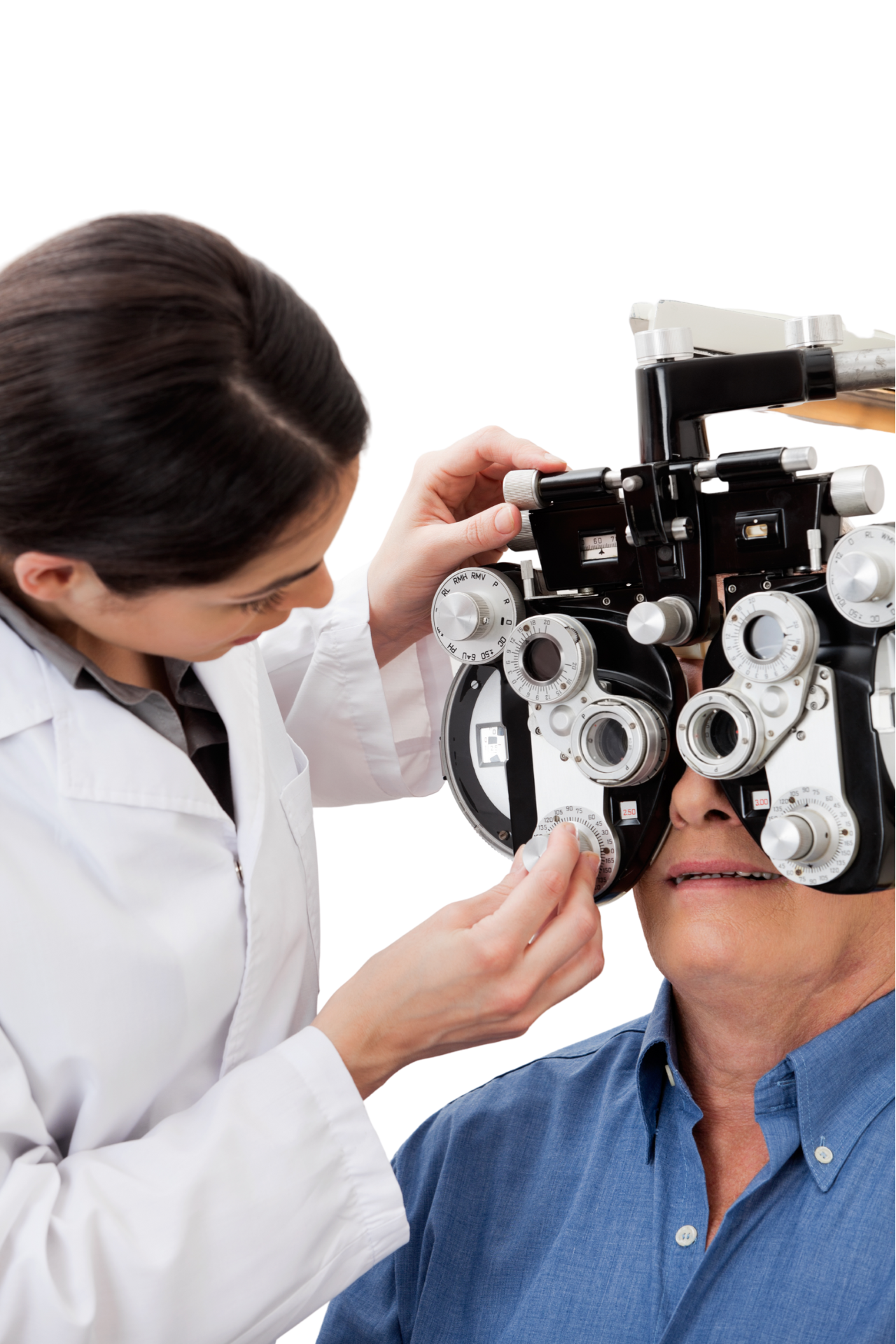
Understanding diabetes, glaucoma, dry eyes, retinal health and other factors that can influence cataract surgery planning.
When cataracts begin affecting your eyesight, it is natural to focus on the surgery itself. You may wonder how the cloudy lens will be removed, which artificial lens you should choose, and how quickly your vision will improve.
However, there is another important question that deserves attention: Is the rest of your eye healthy enough to achieve the visual improvement you expect?
Cataract surgery replaces the eye’s cloudy natural lens with a clear artificial lens. Although the procedure can substantially improve vision, the final result also depends on the health of the cornea, retina, optic nerve and other eye structures.
For example, someone with cataracts and diabetes may need a detailed retinal examination before surgery. A patient with glaucoma may require additional planning to protect the optic nerve. Someone experiencing significant dry eyes may need treatment before accurate lens measurements can be obtained.
This is why choosing a cataract hospital in Ludhiana involves more than considering surgical technology. A thorough preoperative evaluation, realistic counselling and an individual treatment plan are equally important.
At Baath Eye Care Centre, cataract care includes eye assessment, surgical planning and discussion of intraocular lens options. The centre’s official website lists micro-incision cataract surgery, phacoemulsification and several types of intraocular lenses among its services.
This guide explains the medical conditions that can influence cataract surgery, the investigations patients may need and the questions worth discussing with an ophthalmologist before proceeding.
Why a Complete Eye Examination Matters Before Cataract Surgery
A cataract develops when the eye’s natural lens becomes cloudy. This cloudiness prevents light from reaching the retina clearly, causing symptoms such as blurred vision, glare, faded colours and difficulty seeing in dim lighting.
Cataracts commonly develop with age, although diabetes, previous eye injuries, certain medications and other factors can contribute. Surgery removes the cloudy lens and replaces it with an artificial intraocular lens, commonly called an IOL.
But the natural lens is only one part of the visual system. For clear vision, light must pass through a healthy cornea, be focused appropriately by the lens and reach a functioning retina. The optic nerve must then transmit visual information to the brain.
If another eye condition affects any of these structures, cataract removal may not completely resolve the patient’s visual difficulties.
A preoperative cataract assessment aims to establish whether the cataract is the main reason for reduced eyesight, whether other eye conditions may influence surgery or recovery, and what visual improvement can reasonably be expected. Understanding these answers helps patients make informed decisions and reduces unrealistic expectations.
For information about cataract services at Baath Eye Care Centre:
Cataract Surgery in Patients With Diabetes
Diabetes is an important consideration when planning cataract surgery. People with diabetes may develop cataracts earlier than those without diabetes. Persistently elevated blood glucose can contribute to changes in the natural lens.
Diabetes can also affect the tiny blood vessels within the retina, producing diabetic retinopathy. This means that a patient with diabetes may have two separate problems affecting vision: cloudiness of the lens and damage to the retina.
Why retinal examination is important
The retina is the light-sensitive tissue at the back of the eye. Its central region, called the macula, is responsible for detailed central vision. Diabetic retinopathy can damage retinal blood vessels. In some patients, fluid accumulates in the macula, causing diabetic macular oedema.
If significant macular disease is present, removing the cataract may improve the clarity of light entering the eye without fully restoring sharp central vision. Therefore, patients with diabetes may require additional retinal assessment before their cataract operation.
Depending on the clinical findings, an ophthalmologist may recommend a dilated retinal examination or optical coherence tomography (OCT). OCT provides cross-sectional images of the retina and helps identify changes such as macular swelling. Not every patient requires the same investigations.
Does diabetes prevent cataract surgery?
Diabetes does not automatically prevent someone from having cataract surgery. Many people with diabetes undergo cataract procedures successfully. However, the surgical team needs to understand blood glucose control, general health and retinal condition. If active diabetic retinal disease is present, additional treatment or monitoring may be necessary.
Patients should share their current medicines, recent diabetes reports and history of retinal treatment. They should not independently stop diabetes medication before surgery. Medication and fasting instructions must come from the treating medical team.
What should diabetic patients discuss?
Ask whether the retina has been adequately examined, whether additional retinal treatment is necessary and what vision improvement is realistic. It is also useful to understand whether diabetes may influence healing or the postoperative follow-up schedule.
Cataract Surgery When You Also Have Glaucoma
Glaucoma is a group of eye conditions that can damage the optic nerve. It is frequently associated with elevated eye pressure, although optic nerve damage can also occur when pressure readings are within the usual range.
Cataracts and glaucoma can occur in the same patient, particularly with increasing age. Cataracts reduce the clarity of images entering the eye, whereas glaucoma damages the pathway responsible for transmitting visual information to the brain. Cataract surgery cannot reverse vision already lost because of glaucoma.
Why glaucoma changes cataract surgery planning
Before surgery, the ophthalmologist may need to assess eye pressure, optic nerve health and the extent of any visual field loss. In some patients, cataract removal alone may influence eye pressure. In others, glaucoma medication or separate glaucoma treatment may still be necessary.
Certain patients may be considered for a combined cataract and glaucoma procedure, depending on their condition and the procedures available. The decision requires individual clinical assessment.
Can glaucoma patients use premium intraocular lenses?
Patients with glaucoma may need special consideration when choosing an intraocular lens. Some multifocal lenses can reduce contrast sensitivity or introduce visual disturbances, particularly relevant when glaucoma has already affected visual function. A monofocal or another suitable lens may be recommended depending on severity, visual needs and clinical findings.
Baath Eye Care Centre lists glaucoma as a separate clinical service. Learn more:
Dry Eyes Before Cataract Surgery: A Problem That Should Not Be Overlooked
Dry eye disease can cause burning, irritation, watering, fluctuating vision and a sensation that something is present inside the eye. It occurs when the tear film does not adequately lubricate or protect the eye’s surface. Some patients experience noticeable discomfort, while others have few symptoms.
Dry eyes are particularly relevant before cataract surgery because the tear film influences how accurately the cornea can be measured.
How dry eyes affect lens measurements
During surgical planning, eye measurements determine the focusing power of the artificial lens. The cornea’s shape and curvature are important parts of this calculation. An unstable tear film can make measurements less consistent, potentially affecting planning, especially with lenses intended to correct astigmatism or reduce spectacle dependence.
Should dry eyes be treated first?
If dry eye disease is affecting the ocular surface, an ophthalmologist may recommend treatment before finalising lens measurements. Treatment can include appropriate lubricating drops, management of eyelid inflammation or other measures based on the cause. The doctor may repeat selected measurements after the eye surface improves.
Patients should mention frequent eye rubbing, contact lens discomfort or previous eye surgery. The objective is to prepare the eye properly for accurate treatment planning.
Why Retinal Health Influences Vision After Cataract Surgery
Some patients assume that cataracts explain every change in their eyesight. A person may actually have cataracts alongside retinal disorders such as age-related macular degeneration, diabetic retinopathy, macular holes or other retinal problems.
What happens when the retina is already damaged?
The artificial lens helps focus light onto the retina, but it does not repair damaged retinal tissue. If the macula is affected, the person may continue to experience distortion or difficulty reading even after a technically successful cataract operation. This may indicate that another eye condition is limiting the final visual result.
Can cataract surgery still be useful?
Removing a cataract can improve visibility despite an existing retinal condition and may allow the ophthalmologist to examine and monitor the retina more effectively. Whether surgery is appropriate depends on cataract severity, retinal diagnosis and individual needs. Patients with known retinal disease should bring previous reports and details of injections or laser procedures.
Previous LASIK Surgery and Cataract Lens Selection
Patients who previously underwent LASIK or another refractive procedure may require additional attention during cataract surgery planning. LASIK changes the cornea’s shape and can make artificial lens power calculation more challenging years later.
Why previous surgical records matter
The ophthalmologist may use specialised calculation methods and additional measurements. If available, patients should bring earlier spectacle prescriptions, LASIK records and corneal measurements. Even with modern calculations, the final refractive outcome may be less predictable in some eyes that have undergone refractive surgery. Previous LASIK does not prevent cataract surgery but calls for careful planning.
Corneal Conditions That May Influence Cataract Surgery
The cornea is the transparent outer surface at the front of the eye. Conditions such as keratoconus, corneal scarring, corneal swelling and irregular astigmatism may influence cataract surgery.
Keratoconus and irregular astigmatism
Keratoconus causes the cornea to become progressively thinner and more irregular. This can affect the accuracy of standard lens measurements. Patients may require specialised corneal assessment, and an appropriate IOL may differ from one recommended for a regular cornea.
Corneal swelling
Some corneal conditions affect cells responsible for maintaining clarity. Patients with pre-existing corneal weakness may face a greater risk of postoperative swelling. The ophthalmologist may evaluate corneal health and discuss additional risks. Baath Eye Care Centre lists corneal topography and pachymetry among diagnostic technologies on its website.
The Importance of Accurate Intraocular Lens Selection
An artificial intraocular lens is implanted after removal of the cloudy natural lens. Modern cataract surgery offers different categories, but the choice depends on much more than a wish to avoid spectacles.
Monofocal IOL
A monofocal lens primarily provides clear vision at one selected distance. A patient might choose distance focus and use reading glasses for near tasks.
Toric IOL
A toric lens is designed to correct certain forms of regular corneal astigmatism. Suitability depends on measurements and correct lens positioning.
Trifocal IOL
Trifocal lenses offer useful vision across near, intermediate and distance ranges for appropriately selected patients. They can reduce spectacle dependence but may cause halos, glare or reduced contrast sensitivity.
Extended Depth of Focus IOL
An EDOF lens aims to offer a broader range of useful vision than a conventional monofocal lens. Some activities may still require spectacles. Baath Eye Care Centre lists monofocal, trifocal, toric and EDOF options; final selection should follow examination and informed counselling.
How Cataract Surgery Is Planned at Baath Eye Care Centre, Ludhiana
Baath Eye Care Centre provides cataract assessment and surgical services at its Ludhiana location. Its website describes micro-incision cataract surgery and phacoemulsification, in which ultrasound energy helps break up and remove the cloudy lens. It also lists an Oertli Catarax 3 phacoemulsification system and a Carl Zeiss surgical microscope. Dr. Jagroop Singh Baath is identified as an ophthalmologist associated with cataract and other eye care services.
Stage 1: Consultation and diagnosis
The ophthalmologist assesses visual symptoms, medical history and eye health to establish whether cataracts explain visual difficulties.
Stage 2: Preoperative evaluation
Eye measurements and further clinically indicated investigations guide the surgical approach. Diabetes, glaucoma, dry eyes or retinal disease may require additional attention.
Stage 3: Lens selection and counselling
The patient discusses IOL options, expected improvement, possible complications and likely need for spectacles.
Stage 4: Cataract surgery
The cloudy natural lens is removed and replaced with an artificial lens. Phacoemulsification is commonly performed through a small incision with topical or local anaesthesia.
Stage 5: Recovery and follow-up
Patients receive instructions about eye drops, eye protection, activities and follow-up. Recovery varies. Many people notice improvement relatively early, although complete healing takes longer.
What Can Affect Recovery After Cataract Surgery?
Cataract surgery has a favourable safety profile, but it remains a surgical procedure and complications are possible. Recovery is affected by surgical complexity, general health and existing eye conditions. Temporary irritation, light sensitivity, mild redness or fluctuating vision can occur. Prescribed eye drops help manage inflammation and infection risk.
Seek urgent medical attention for severe pain, sudden vision loss, marked redness, flashes, a sudden increase in floaters or a shadow across vision. Patients should follow their own surgical team’s postoperative instructions.
Questions to Ask Before Choosing a Cataract Hospital in Ludhiana
Location, appointment availability, techniques and lens options matter, but they do not explain the entire treatment process. Ask how the eyes will be evaluated, how other medical conditions could affect outcomes, and what postoperative follow-up involves.
The consultation should include realistic discussion of what surgery can and cannot improve. A patient with cataracts and glaucoma needs different counselling from someone with an uncomplicated cataract. Personal priorities such as reading, computer work and distance vision should also influence the discussion.
An introductory guide to eye consultations is available at:
https://baatheyecare.com/eye-hospital-ludhiana-first-visit-eye-tests-guide/
Questions to Ask Before Choosing a Cataract Hospital in Ludhiana
1. Can cataract surgery be performed if my blood sugar is high?
Diabetes does not automatically prevent surgery, but clinicians must assess glucose control and overall health. Significantly uncontrolled blood glucose or active diabetic eye disease may require management before surgery.
2. Can cataract surgery permanently cure glaucoma?
No. Cataract surgery does not reverse existing optic nerve damage from glaucoma. Some patients still need medication, monitoring or further glaucoma treatment.
3. Why might my doctor treat dry eyes before cataract surgery?
An unstable tear film can affect corneal measurements used for artificial lens calculations. Treating significant dry eye disease may help improve measurement consistency.
4. Is a retinal examination necessary before cataract surgery?
Assessment of the back of the eye is an important part of planning when clinically indicated. Diabetes, suspected macular disease or unexplained visual loss may warrant additional tests.
5. Can I have cataract surgery if I previously underwent LASIK?
Yes, but previous LASIK can make lens calculations more complex. Specialised measurements and old surgery records can help with planning.
6. Does cataract surgery improve vision damaged by macular degeneration?
It may improve blur caused by the cataract, but it cannot repair existing retinal damage. The visual result depends on the retina’s health.
7. Can I choose a trifocal lens if I have another eye disease?
Not everyone is suitable. Retina, cornea or optic nerve problems may affect lens selection. The ophthalmologist should explain likely benefits and trade-offs.
8. Is cataract surgery safe for older patients with high blood pressure?
Many older adults with hypertension can have surgery after appropriate assessment. The medical team determines whether blood pressure or other conditions need management first.
9. Why can vision remain blurry after a successful cataract operation?
Causes can include corneal swelling, dry eyes, residual refractive error, inflammation or other retinal or optic nerve disorders. Persistent or worsening blur needs examination.
10. Where can I arrange a cataract assessment in Ludhiana if I also have diabetes or glaucoma?
Baath Eye Care Centre in Model Town Extension, Ludhiana lists cataract and glaucoma services. Contact the centre to arrange an eye consultation; the ophthalmologist can advise on further examination or referral if needed.
Cataract Consultation at Baath Eye Care Centre, Ludhiana
Patients experiencing progressive blur, glare, difficulty reading or concerns about cataracts can arrange an ophthalmic consultation.
Baath Eye Care Centre
329 CX, Model Town Extension, Model Town, Ludhiana, Punjab 141002, India
Phone: +91 62626 27755
OPD Hours: Monday to Saturday, 9:00 AM to 6:00 PM
Email: info@baatheyecare.com
Appointments can be requested by telephone or through the centre’s contact page:
https://baatheyecare.com/contact-baath-eye-care-centre/
Confirm availability before travelling and bring previous eye reports, current spectacles and relevant medical records.
Conclusion: Good Cataract Care Begins Before the Operation
Cataract surgery treats vision reduced by clouding of the natural lens, but the overall result depends on more than cataract removal alone. Diabetes, glaucoma, dry eyes, macular disease and corneal abnormalities can all influence planning, lens selection and recovery.
For people searching for a cataract hospital in Ludhiana, understanding these factors makes consultations more meaningful. Baath Eye Care Centre provides cataract assessment and surgical services in Model Town Extension, Ludhiana. If cataracts are affecting daily activities, consider arranging a comprehensive eye assessment. An informed decision begins with understanding the health of the whole eye.